Is your St. Matthews home almost ready for buyers, or would fixing it be a money and time drain? Many homes here were built mid-century, so it is normal to wonder whether to repair an older roof, HVAC, or dated interiors before you list. You want a strong sale price without wasting weeks and thousands of dollars.
In this guide, you will learn how the St. Matthews market shapes the fix vs as-is decision, what repairs usually pay off, how to model your net proceeds, and what Kentucky disclosures you must follow. You will also get a simple checklist to make a confident choice. Let’s dive in.
St. Matthews market at a glance
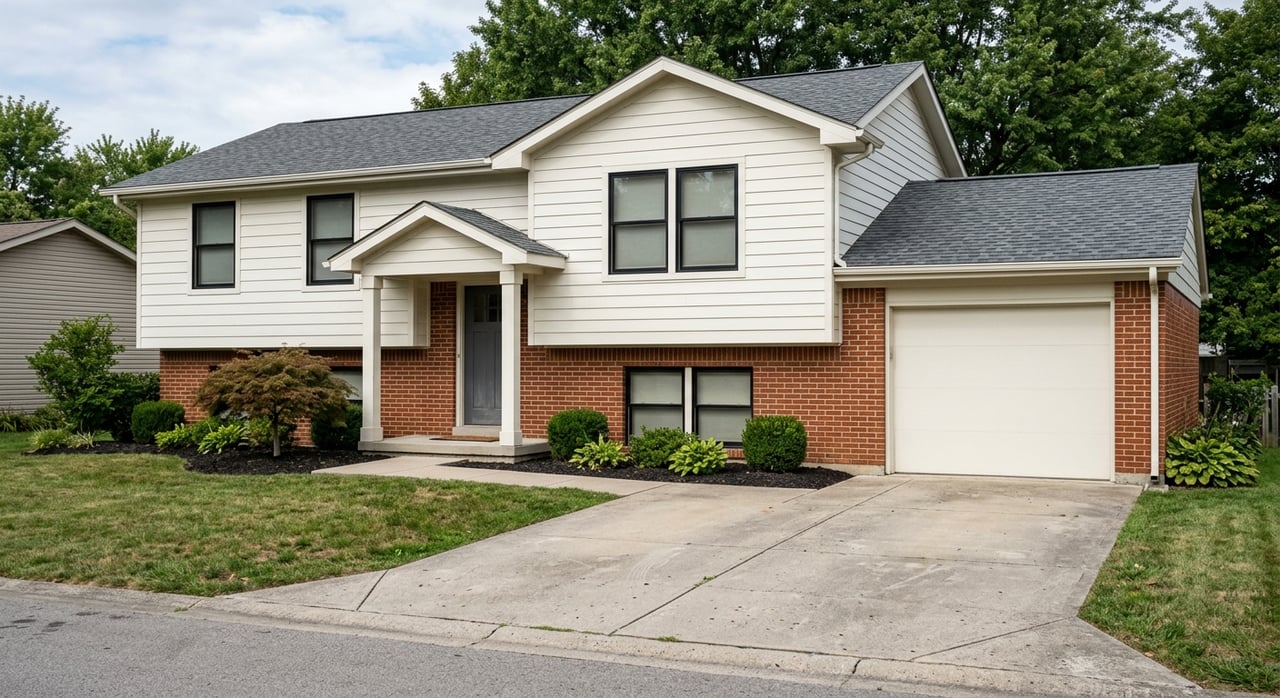
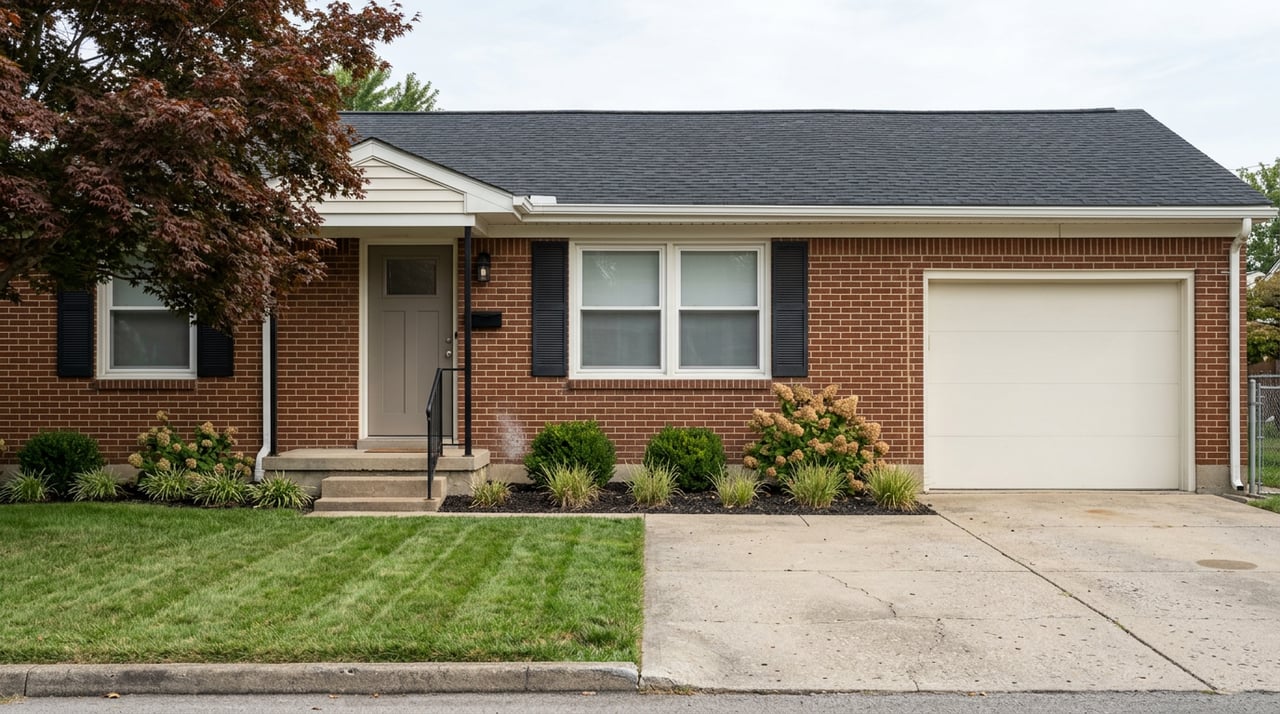
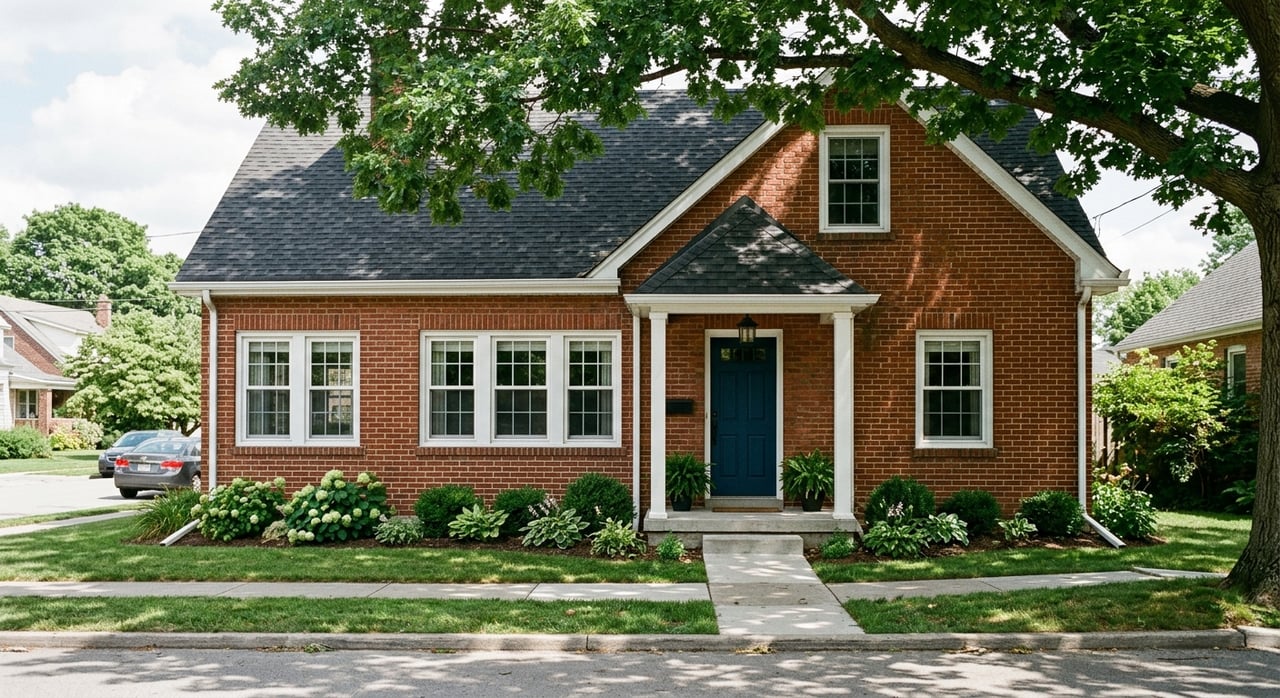
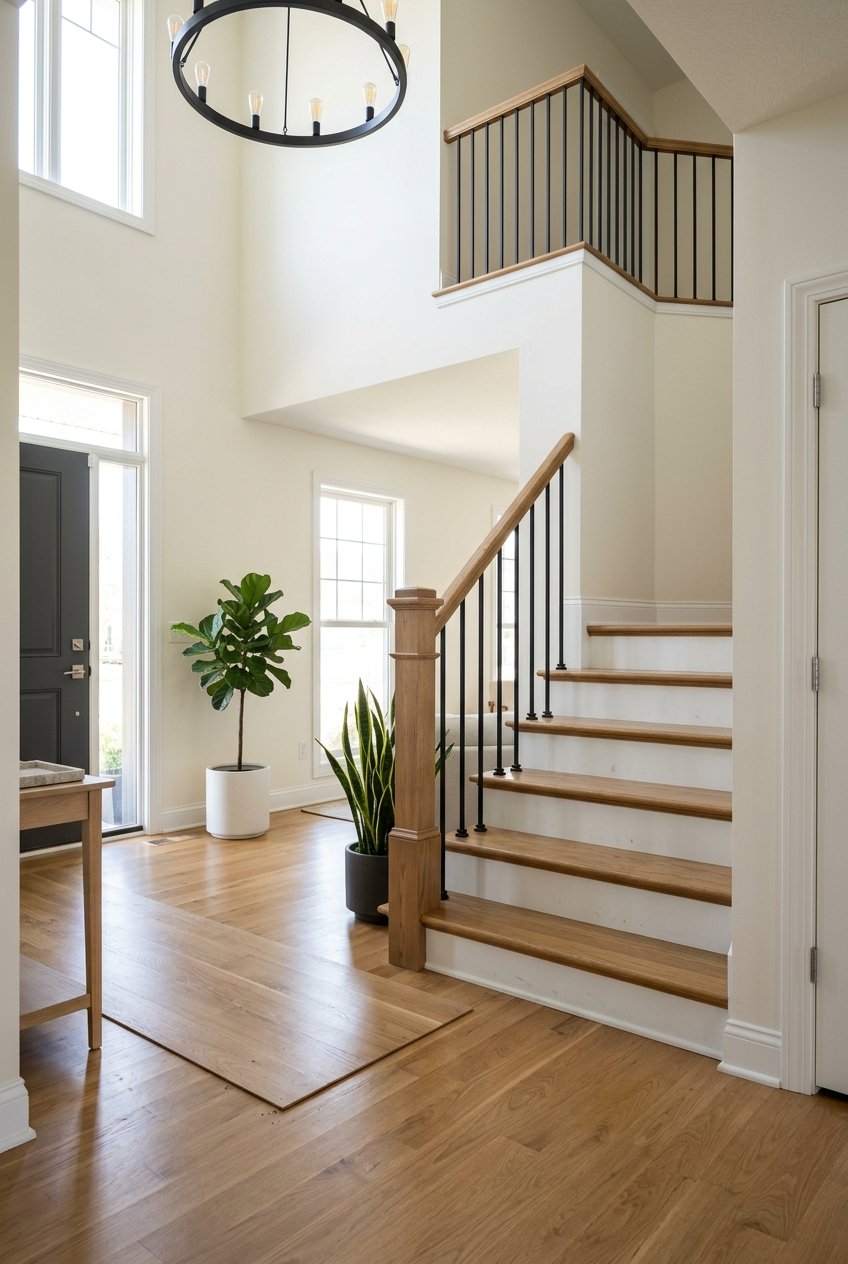
St. Matthews is a mature, in-town area within the Louisville MSA. Many homes are mid-20th century with a mix of updated renovations and original finishes. That age profile means common deferred items like roofing, HVAC, plumbing, electrical, windows, and cosmetic wear can affect buyer perception.
Local comps matter more than national averages. Updated interiors can command stronger prices when move-in ready homes are the norm on your block. If nearby sales show investors buying properties that need work, an as-is approach may be fine. Use recent closed comps in the same subdivision over the last 3 to 6 months to model price impact. You can monitor neighborhood trends through GLAR market data and parcel details via the Jefferson County PVA.
Market conditions change the calculus. In a tight seller’s market, buyers may accept good but not perfect condition. In a buyer’s market, turn-key homes tend to win faster and stronger offers. Also watch days on market and list-to-sale outcomes for updated homes versus as-is listings near you.
Fix or sell as-is: a simple framework
Use this six-step approach to compare outcomes and decide with clarity.
1) Inventory major systems and defects
Walk through the big-ticket items first: roof, HVAC, electrical panel and wiring, plumbing, foundation, windows, and the water heater. Note anything that affects safety or function, plus visible cosmetic wear that buyers will notice.
2) Get contractor estimates
Obtain one or two bids for any safety, code, or major system issues. Also price out light cosmetic updates. This gives you real numbers rather than guesses and helps during negotiations.
3) Consider a pre-listing inspection
A pre-listing inspection can surface issues early so you can either fix critical items, disclose them upfront, or price accordingly. Fewer surprises often mean smoother contract timelines and fewer last-minute credits.
4) Estimate timeline and carrying costs
Repairs take time. Quick cosmetic updates may take a few days to two weeks. Larger projects can stretch to multiple weeks or months. Add your mortgage, taxes, insurance, utilities, and HOA to see what you will carry while work is underway.
5) Model your net proceeds two ways
Compare two paths: a) list after repairs, and b) list as-is. Account for repair and carrying costs, plus a realistic sale price based on local comps for each scenario.
6) Choose the better net with acceptable risk
Pick the path that delivers higher expected net proceeds within a timeline and stress level you can accept. If the difference is small, the faster or simpler route may win.
What updates usually pay off
National remodeling research shows consistent patterns. Smaller, visible improvements often deliver the strongest short-term ROI. Larger remodels can boost appeal but recover a lower percentage of cost at resale.
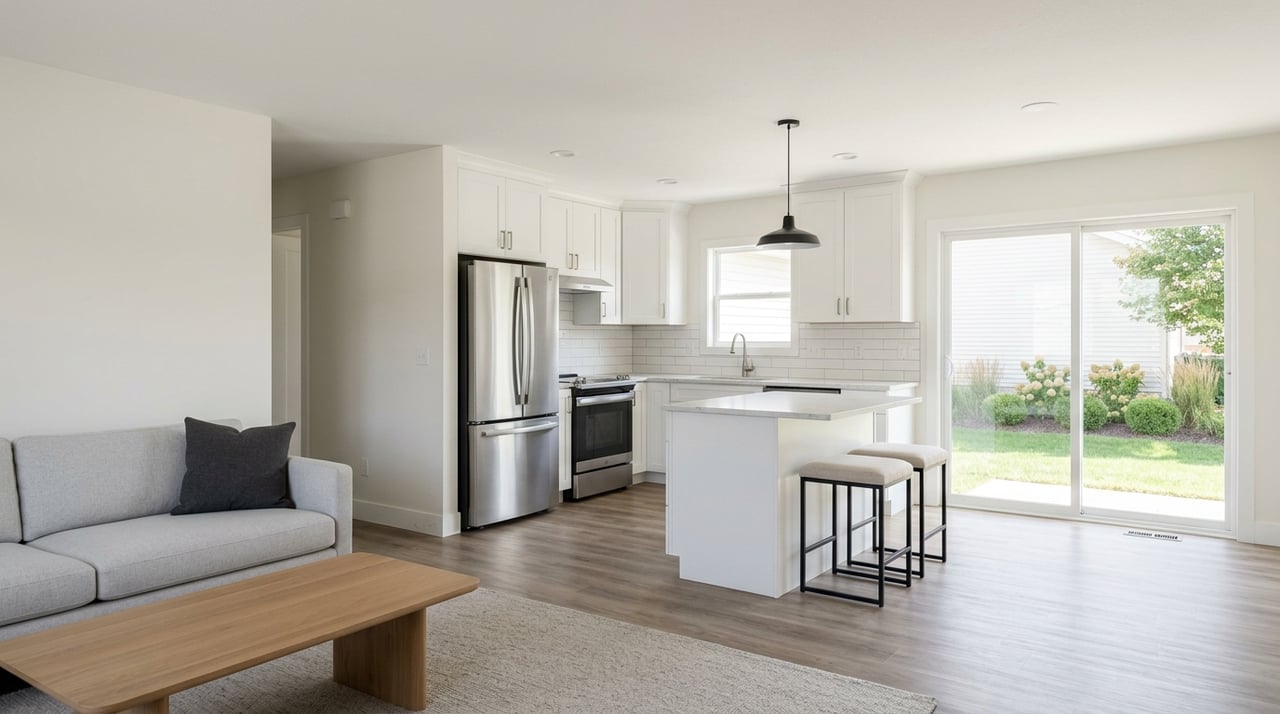
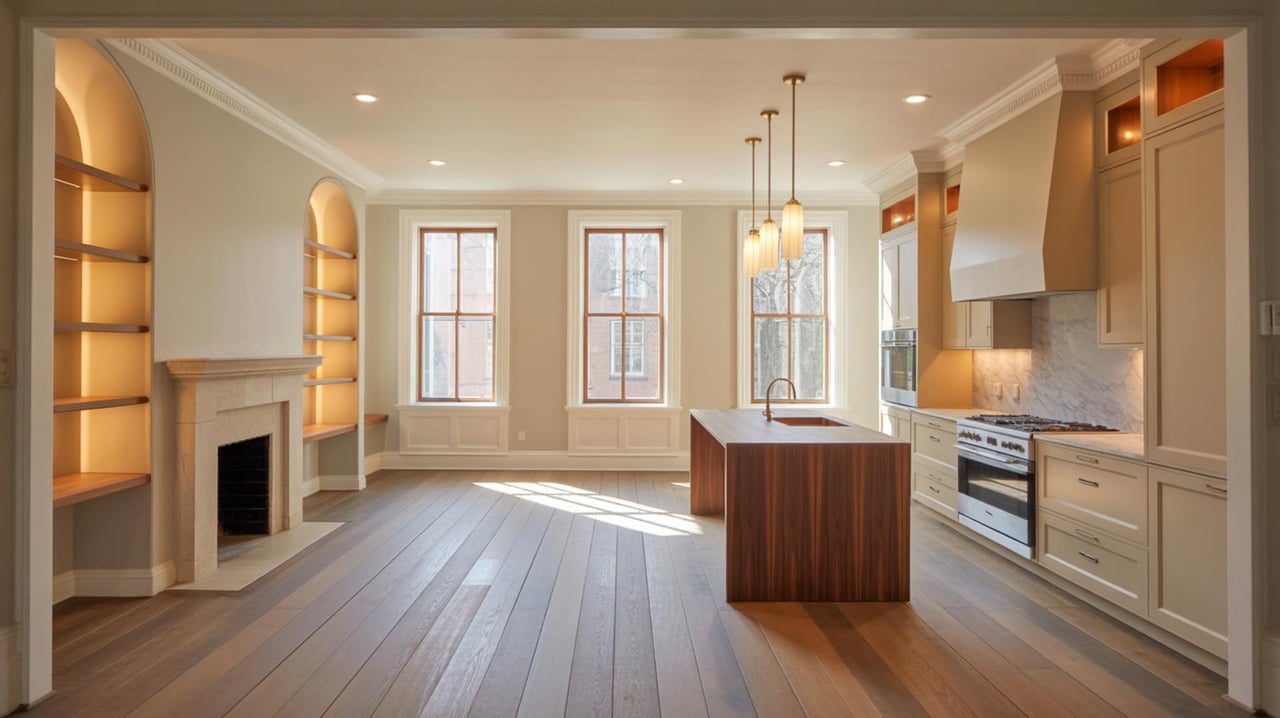
- Cosmetic refresh: Fresh interior paint, minor flooring repair, new light fixtures, and basic hardware swaps are relatively low cost and can lift perceived value.
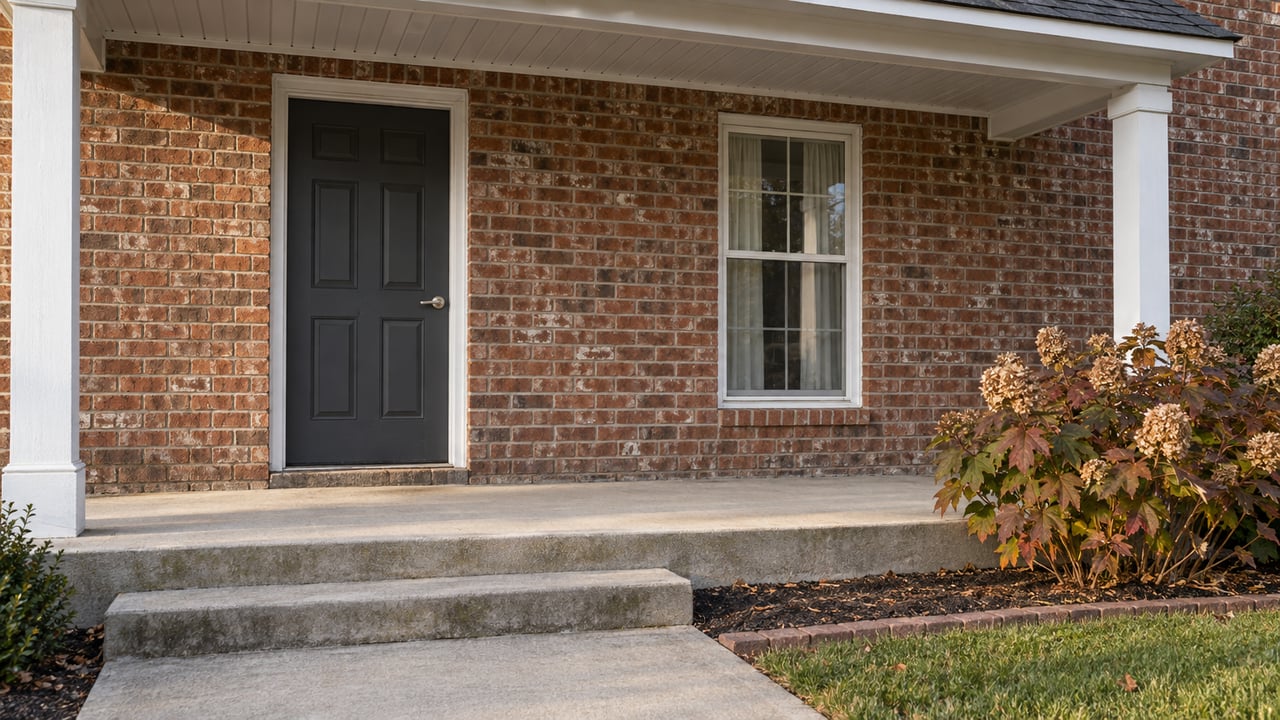
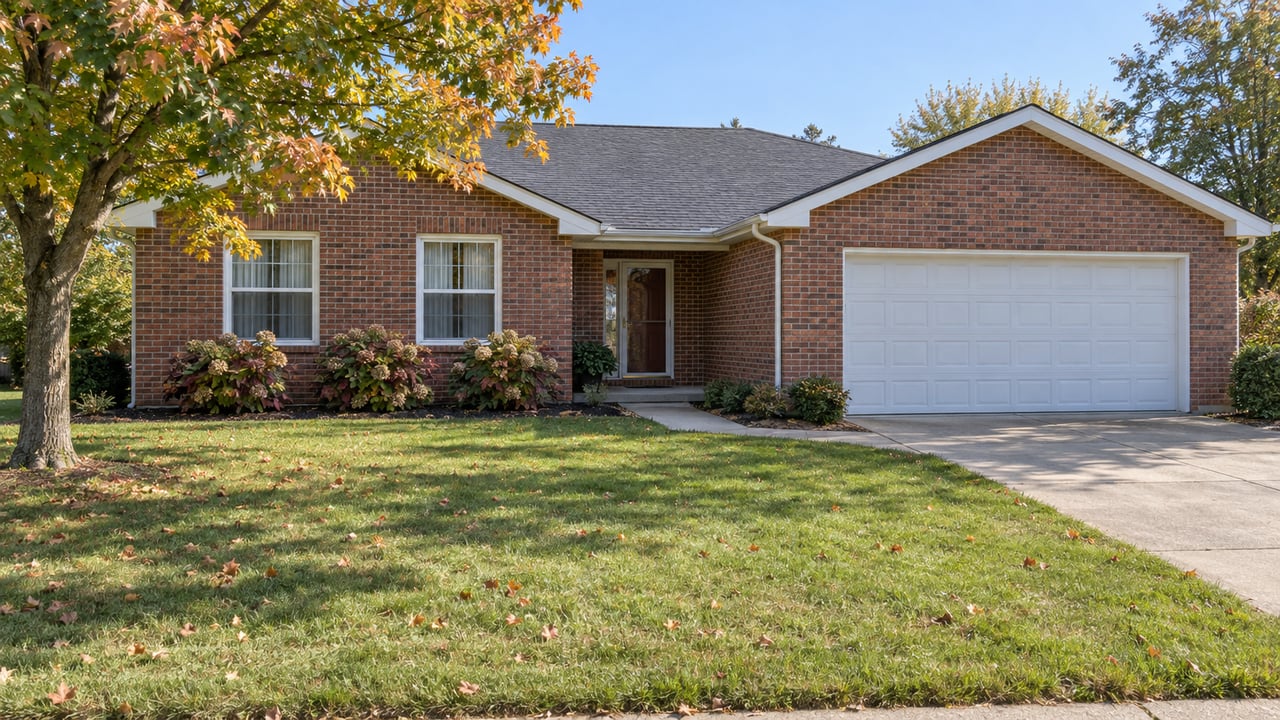
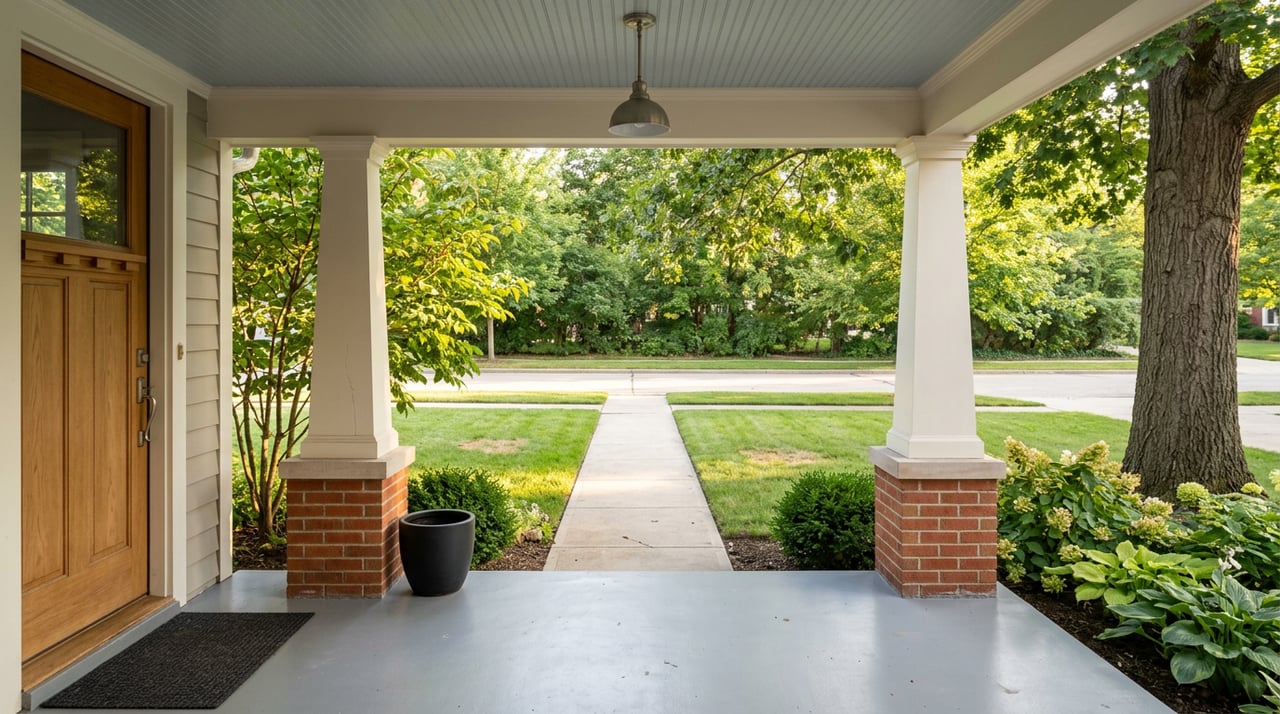
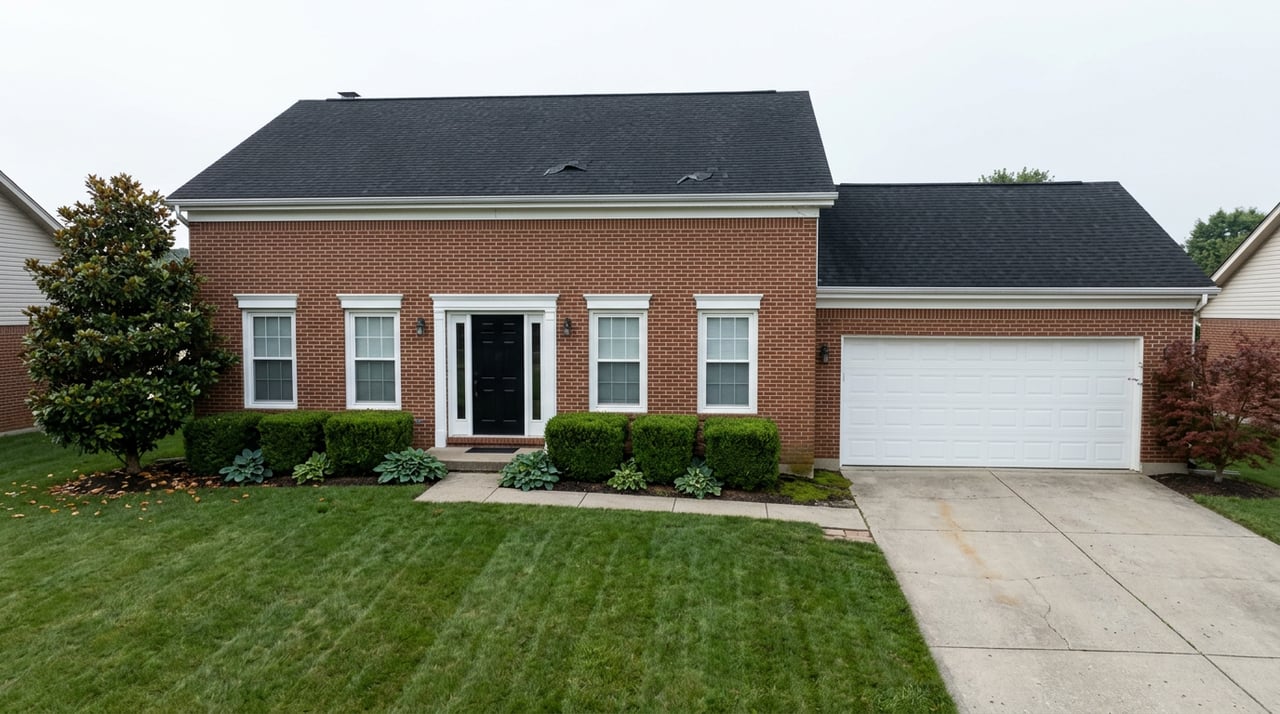
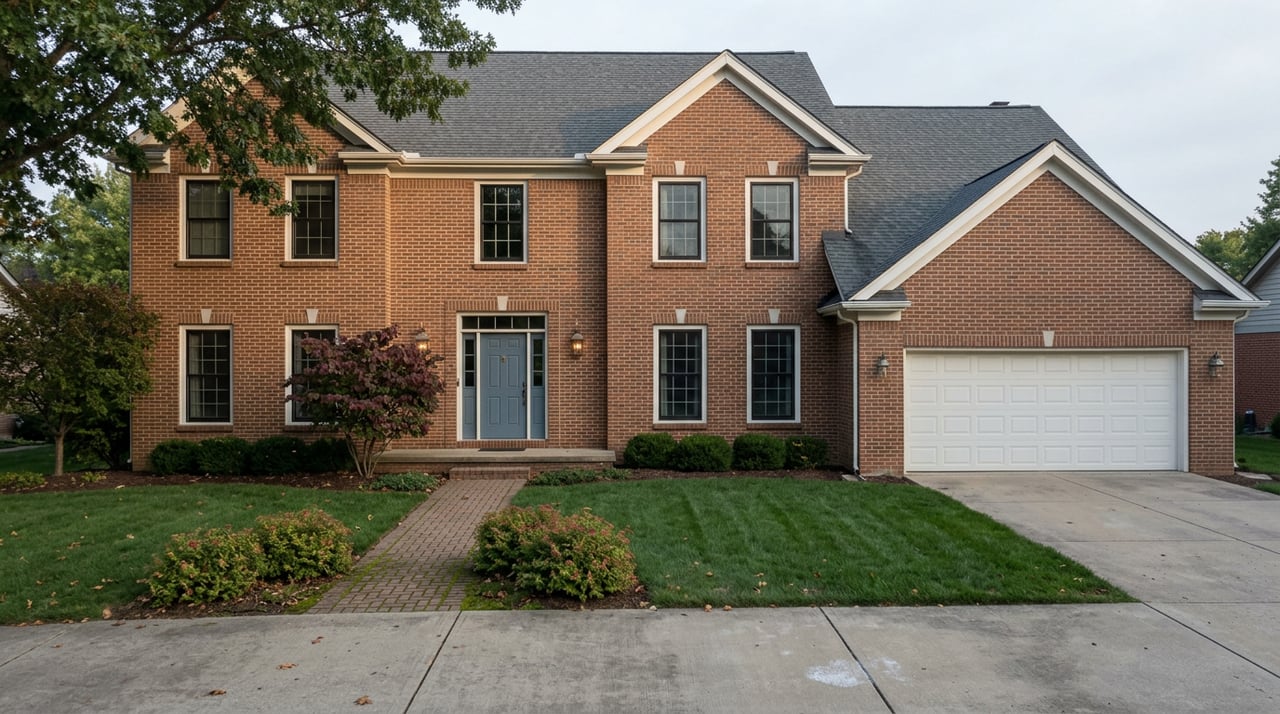
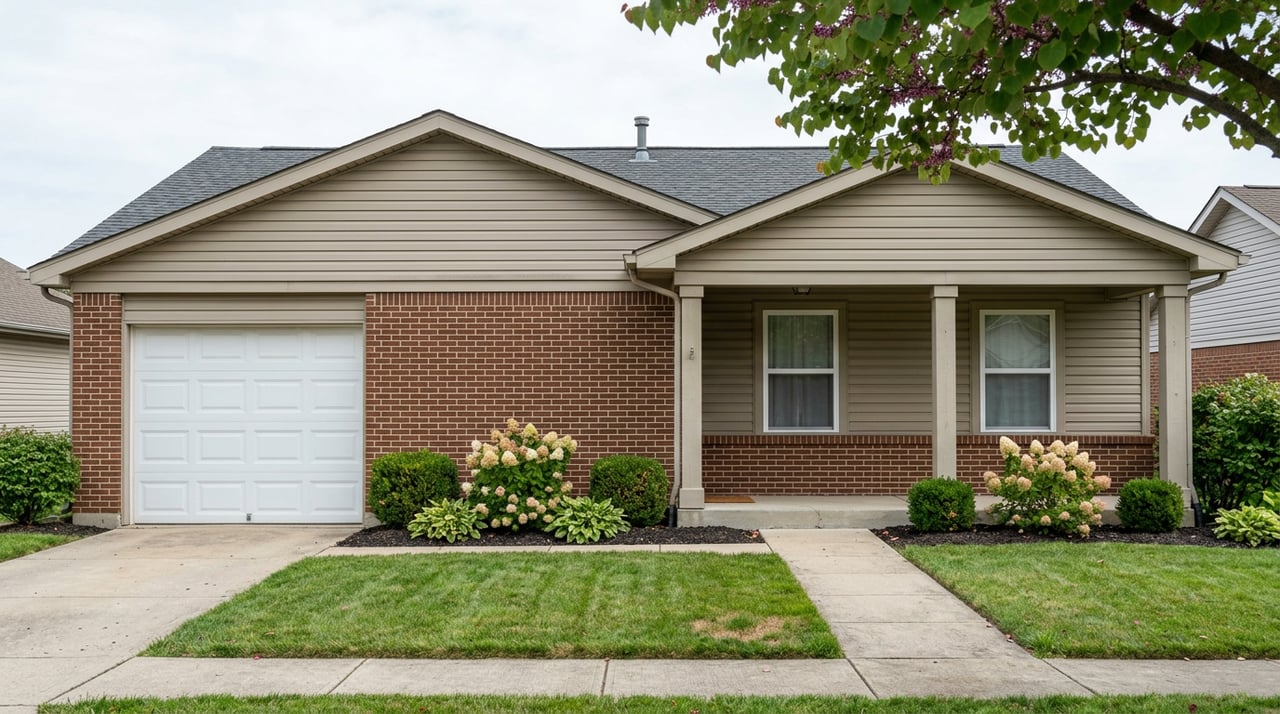
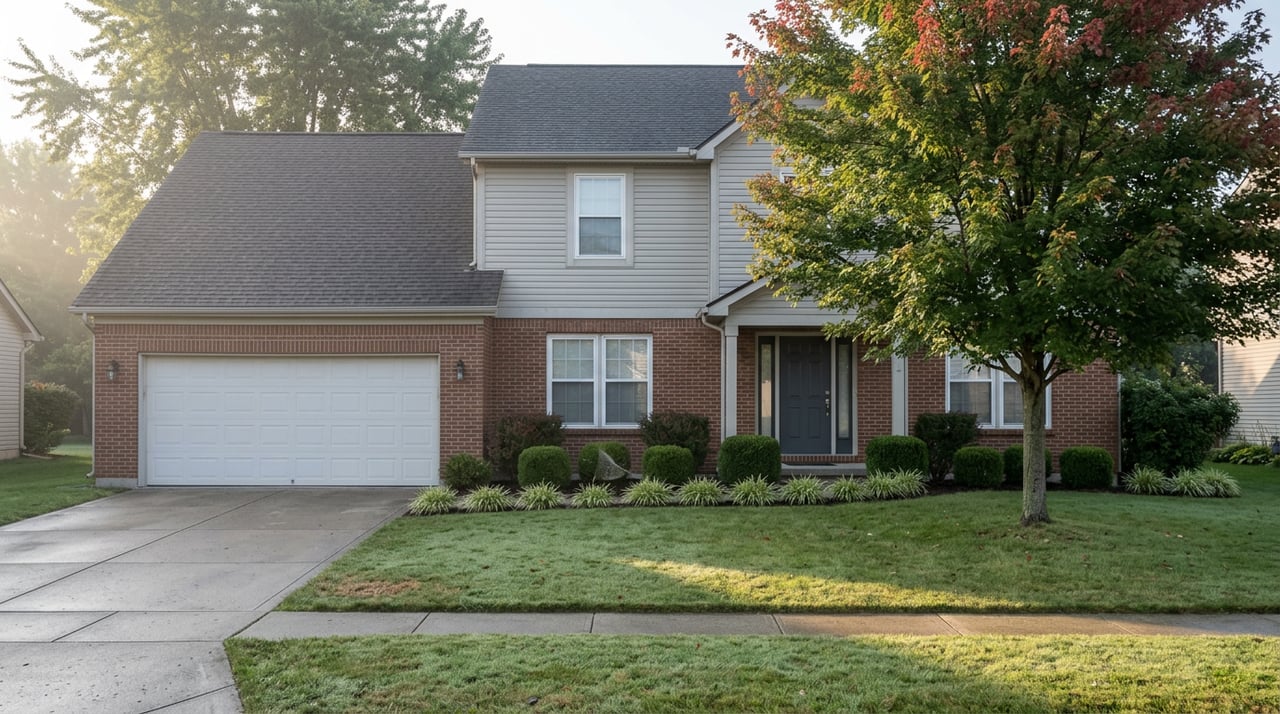
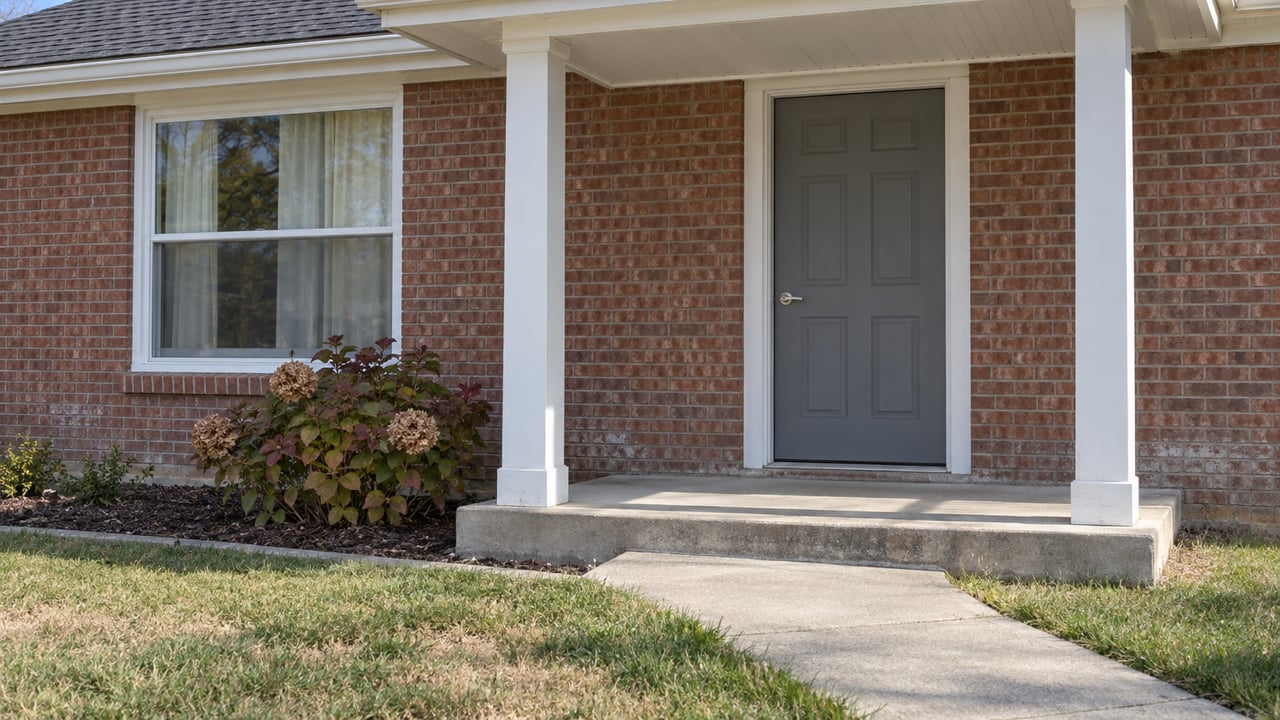
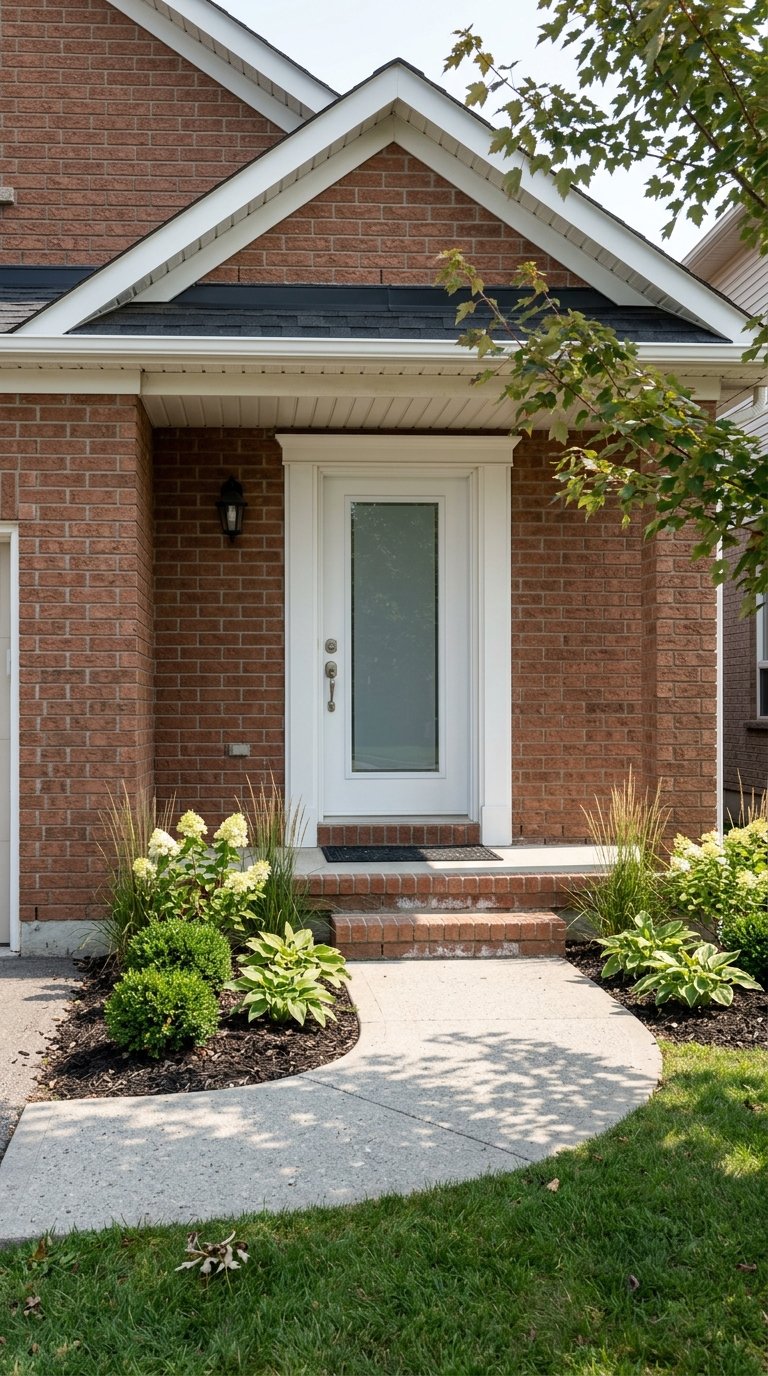
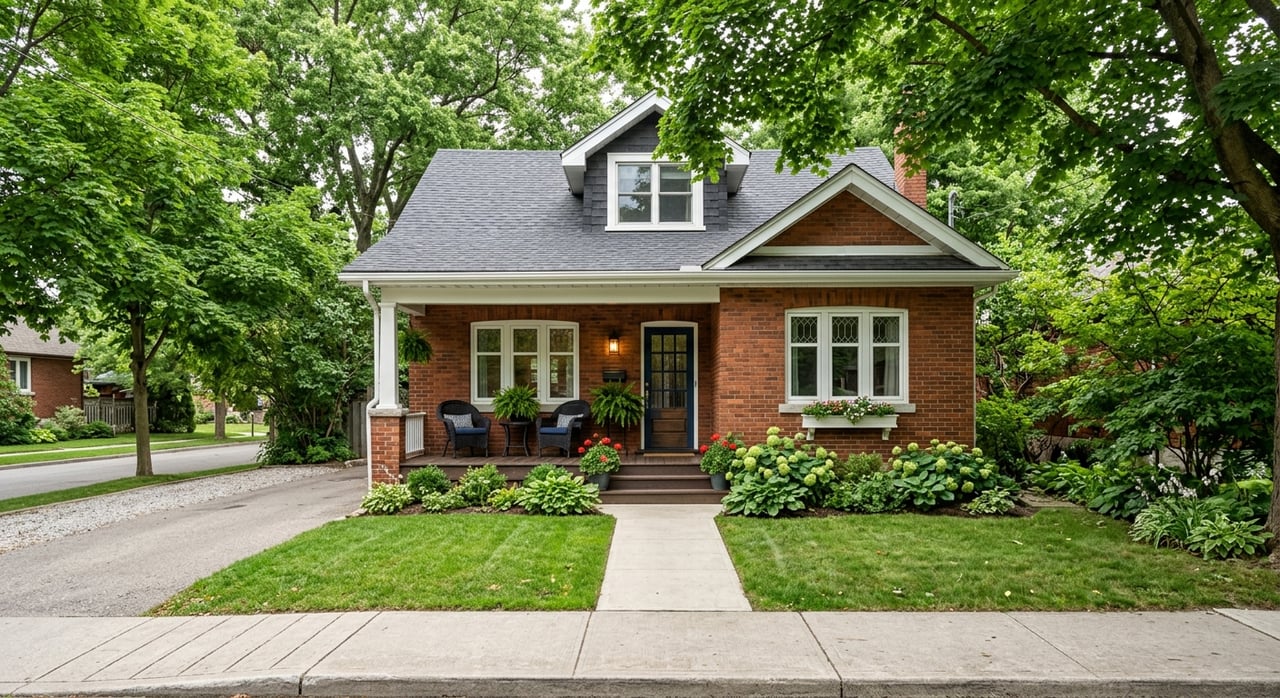
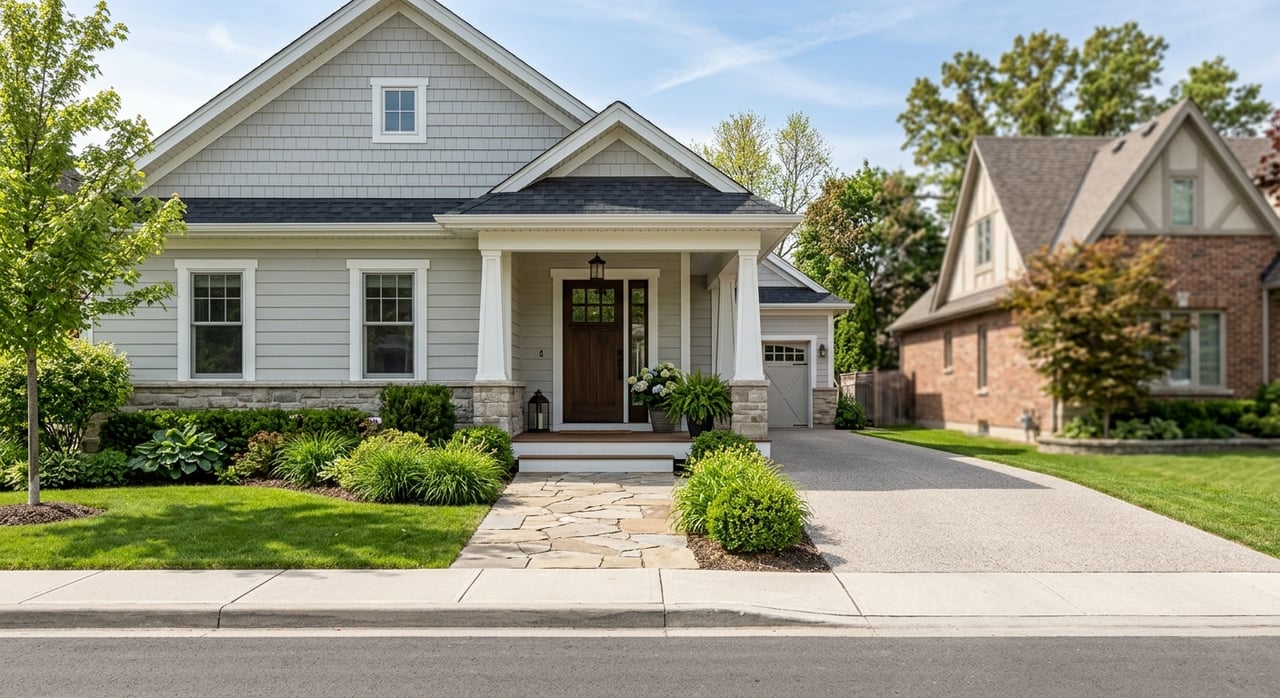
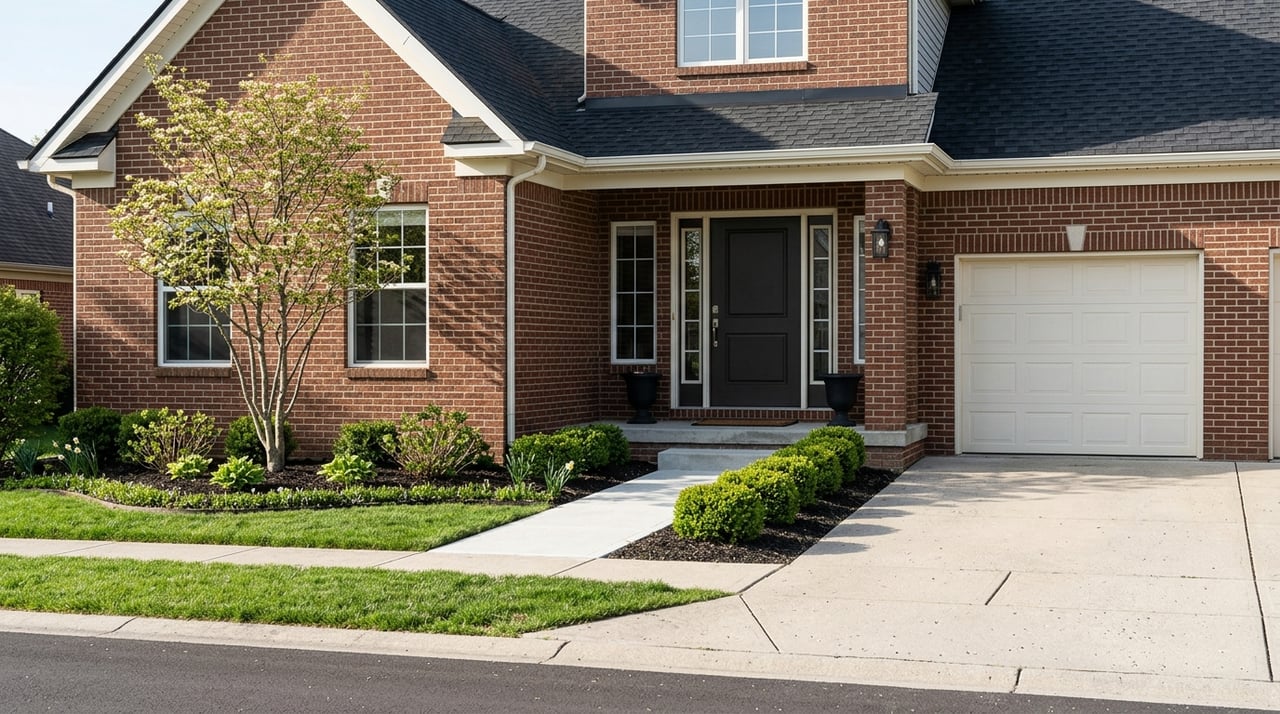
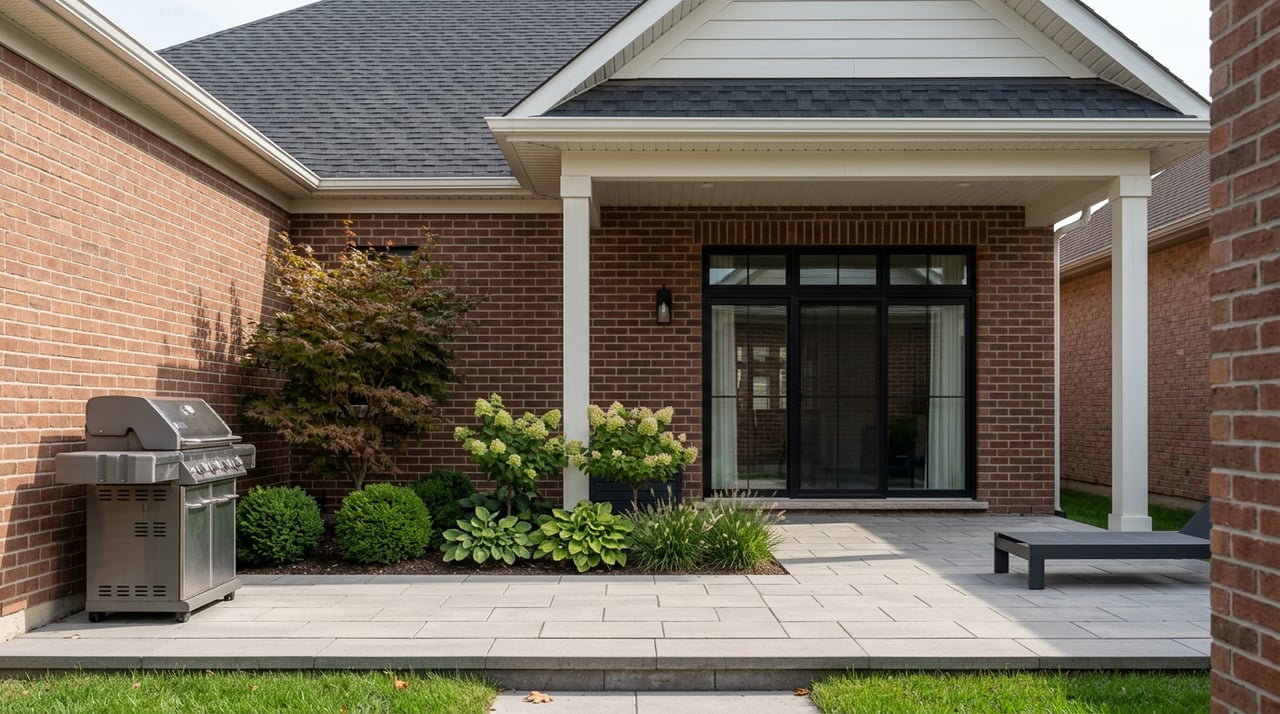
- Curb appeal: Tidy landscaping, clean mulch, a power-washed exterior, and a welcoming front entry help photos pop and set buyer expectations.
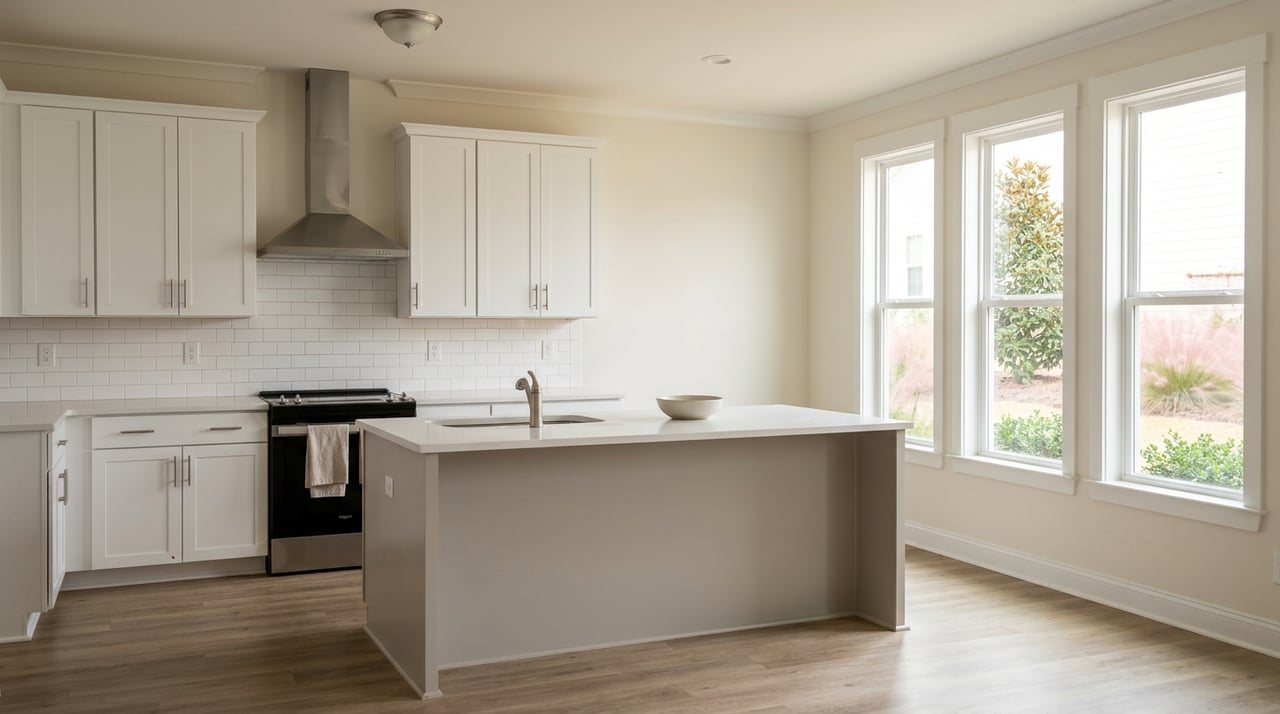
- Targeted kitchen and bath updates: Minor kitchen refreshes such as painting cabinets and replacing hardware often run roughly 2,000 to 8,000 dollars depending on scope and size. Small bath touchups like new vanity lights or mirrors are quick wins.
For ROI trends across common projects, see the national Remodeling Cost vs Value report. Your results depend on local comps, scope, and the age of your systems, so lean on contractor bids and a local CMA to dial in your numbers.
When selling as-is makes sense
Sometimes it is better to skip repairs and price accordingly.
- Major systems are near end of life: If the roof, HVAC, or plumbing requires a heavy lift, the cost and timeline may outweigh the price premium for updated condition.
- You need a faster close: If timing matters more than squeezing every dollar, as-is with proper disclosures can move you faster.
- The buyer pool includes investors: Investor and rehab buyers typically expect a discount that reflects repair budget and risk. Depending on condition and market, discounts often land about 10 to 30 percent below a move-in ready value.
- You prefer credits over repairs: You can offer closing credits for buyer repairs instead of managing the work yourself. This can keep the deal moving while acknowledging needed fixes.
Legal and disclosure must-knows in Kentucky
- Lead-based paint disclosure: If your home was built before 1978, federal law requires that you provide a lead disclosure and the EPA pamphlet “Protect Your Family from Lead in Your Home.” Learn more about the federal lead-based paint disclosure rules.
- Seller disclosures: Kentucky sellers commonly use a Seller’s Property Disclosure form through their brokerage or association. You should disclose known material defects in writing. “As-is” does not remove your duty to disclose known issues. For resources, visit the Kentucky Association of REALTORS.
- Inspections and contingencies: An as-is listing generally means you will not complete repairs, but buyers often still have the right to inspect and negotiate credits or price reductions unless the contract waives that contingency.
If you have questions about forms or exemptions, consult a local agent or a real estate attorney. Your agent can also recommend pre-list inspectors so you can choose the best path with fewer surprises.
Quick decision checklist
Use this list to organize your plan and numbers.
- House facts
- Year built, square footage, beds and baths.
- Age and condition of roof, HVAC, electrical panel, plumbing, water heater, and windows.
- Estimates and time
- Itemized costs to make the home market-ready: cosmetic, safety/code, major systems.
- Time to complete each repair in calendar weeks.
- Carrying costs while work is underway: mortgage, taxes, insurance, utilities, HOA.
- Market assessment
- Recent sale prices for updated homes vs as-is properties within 3 to 6 months in St. Matthews.
- Current days on market for each category.
- Likely buyer pool near you: owner-occupant vs investor.
- Financial model
- Expected list or offer price after repairs = A.
- Total repair cost = B.
- Carrying costs during repairs = C.
- Net if repaired = A − (B + C + selling costs).
- Expected as-is sale price = D.
- Net as-is = D − selling costs and any concessions.
- Risk and comfort
- Do you need a fast close?
- Are you comfortable managing contractors?
- Is post-inspection renegotiation likely if you sell as-is?
- Disclosure and legal
- Was the home built before 1978, requiring lead disclosure?
- Are known material defects documented for the disclosure form?
Compare your net in minutes
Run these two quick scenarios with real bids and local comps.
- Repaired scenario
- A: probable sale price after updates.
- B: total repair costs.
- C: carrying costs while repairs are done.
- Net if repaired = A − (B + C + selling costs).
- As-is scenario
- D: likely as-is sale price based on nearby as-is comps or investor activity.
- Net as-is = D − selling costs and any concessions.
If the repaired net is meaningfully higher and the timeline works, repairs may be worth it. If the difference is small or timing is critical, as-is can be the better call.
Timing matters in St. Matthews
A 30 to 60 day delay to finish repairs can change how your listing stacks up against the competition. Quick cosmetic work often takes days to two weeks, while major system projects can stretch longer. Factor in carrying costs and consider seasonality in the Louisville area when choosing between speed and perfection.
You can also track nearby activity by reviewing closed sales and current inventory through GLAR resources and the Jefferson County PVA. Updated homes that sell quickly suggest buyers value move-in readiness. If as-is properties are still selling fast to investors, you may prioritize speed.
Simple prep wins without overspending
These light touches often deliver strong returns without major disruption.
- Deep clean and declutter rooms, closets, and surfaces.
- Neutral interior paint in high-traffic areas for a fresh, bright look.
- Improve lighting with higher lumen bulbs and simple fixture swaps.
- Sharpen curb appeal with mulch, trimmed shrubs, and a clean entry.
- Fix small items buyers notice, like squeaky doors, loose handrails, and leaky faucets.
- Stage key rooms and optimize photos with professional guidance.
Ready to run numbers with a local pro?
If you want a clear, side-by-side comparison, a local agent can prepare neighborhood comps, recommend pre-list inspectors and contractors, and help you model net proceeds for repair vs as-is. For straightforward guidance, bilingual support, and full-service seller marketing in the Louisville area, reach out to Gilbert Zaldivar.
FAQs
What does selling a home as-is in Kentucky actually mean?
- As-is usually means you do not plan to make repairs, but buyers typically can still inspect and negotiate price reductions or credits unless both parties agree to waive inspections.
Do I still need to disclose defects if I sell as-is in Kentucky?
- Yes. You generally must disclose known material defects in writing using standard disclosure forms, even when selling as-is. Check with your agent or attorney for current requirements.
How do investors price as-is homes in the Louisville area?
- Investor discounts vary by condition and risk, often about 10 to 30 percent below a move-in ready value to account for repair budgets and profit margins.
Should I order a pre-listing inspection for a St. Matthews home?
- It can help you find issues early, decide what to fix, and disclose items upfront, which may reduce surprises and renegotiations once you are under contract.
Which pre-list repairs usually deliver the best ROI before listing?
- Light cosmetic updates and curb appeal improvements, such as fresh paint, minor flooring fixes, updated lighting, and basic landscaping, tend to influence buyer perception at a relatively low cost.
What should I know about lead-based paint rules for older homes?
- If your home was built before 1978, federal law requires a lead disclosure and the EPA pamphlet for buyers. Review the EPA guidance on lead disclosure for details.