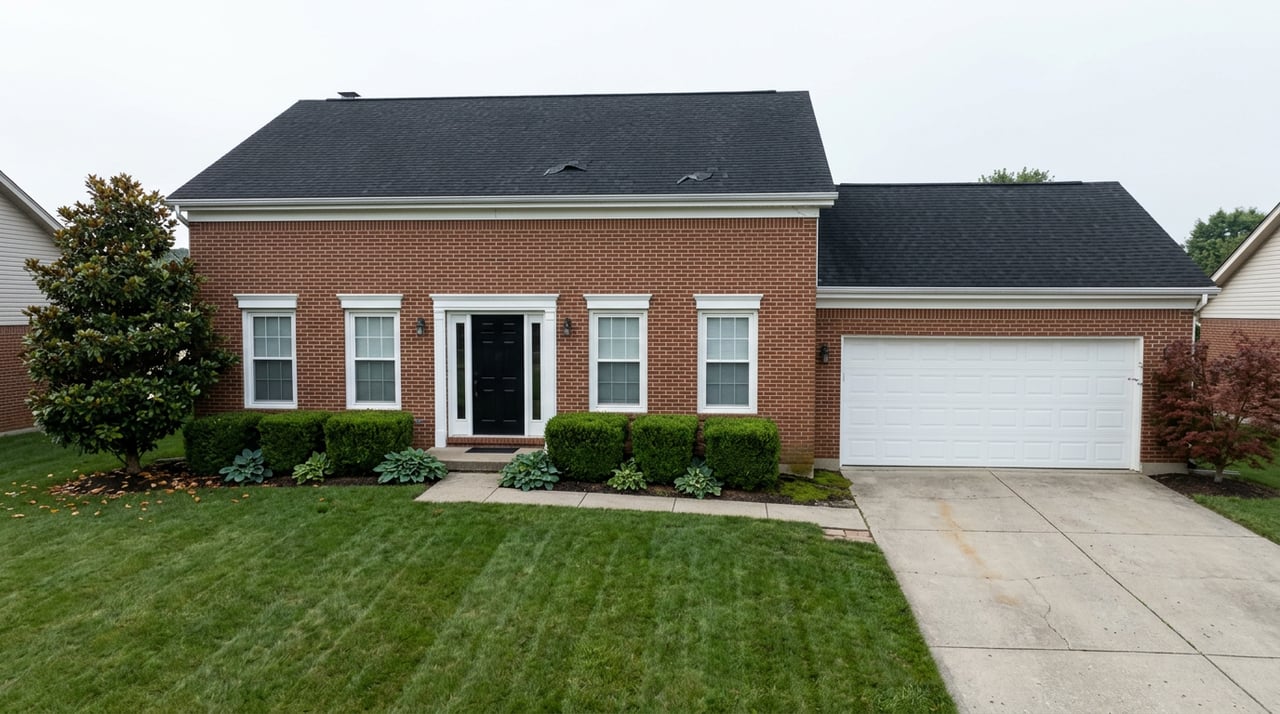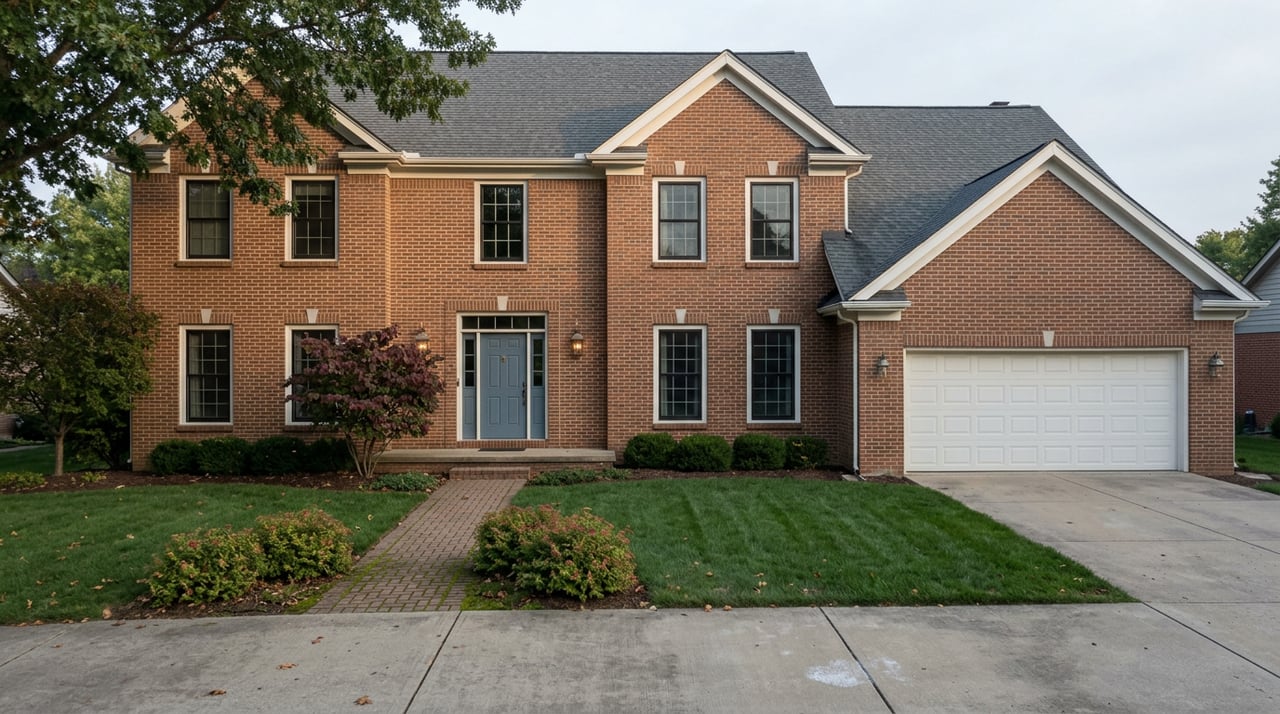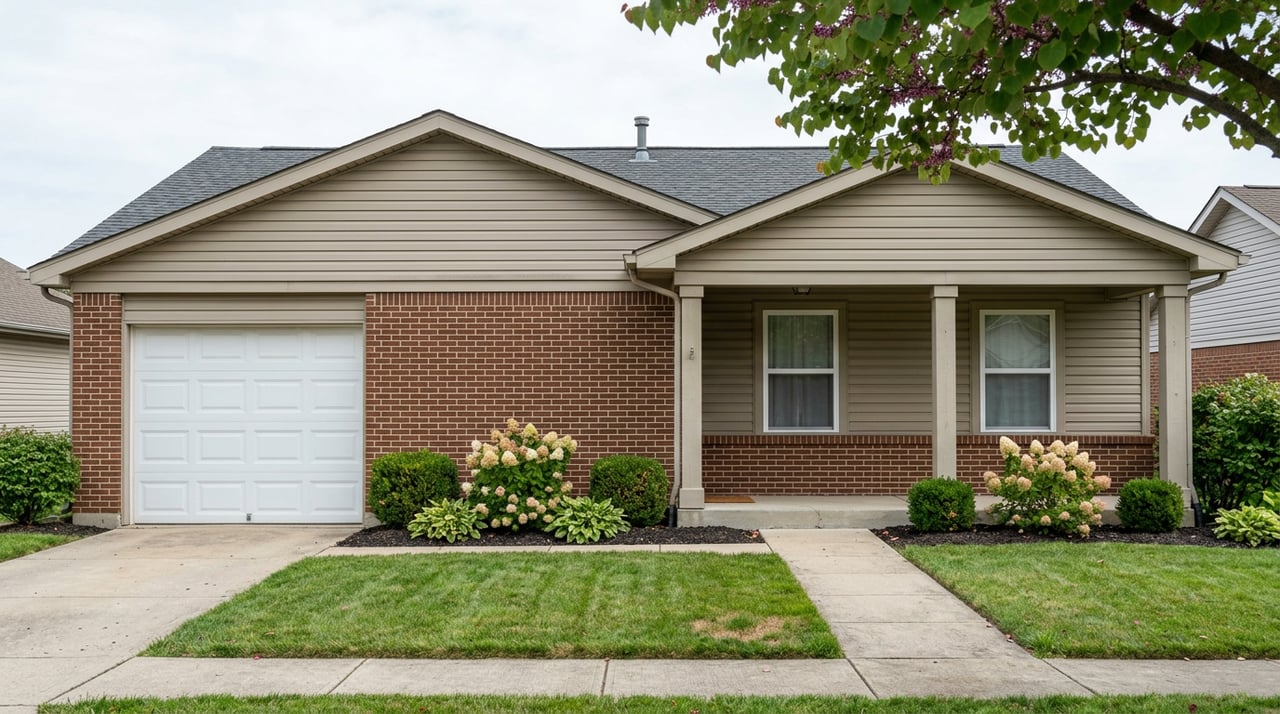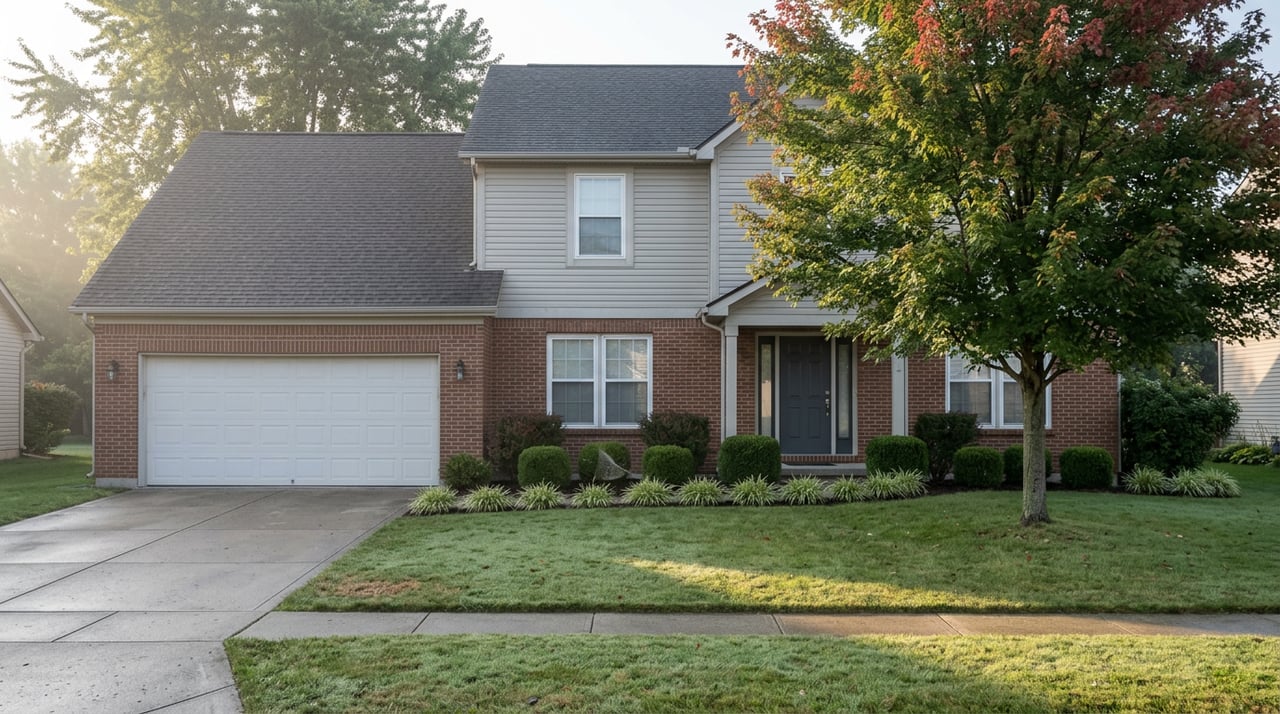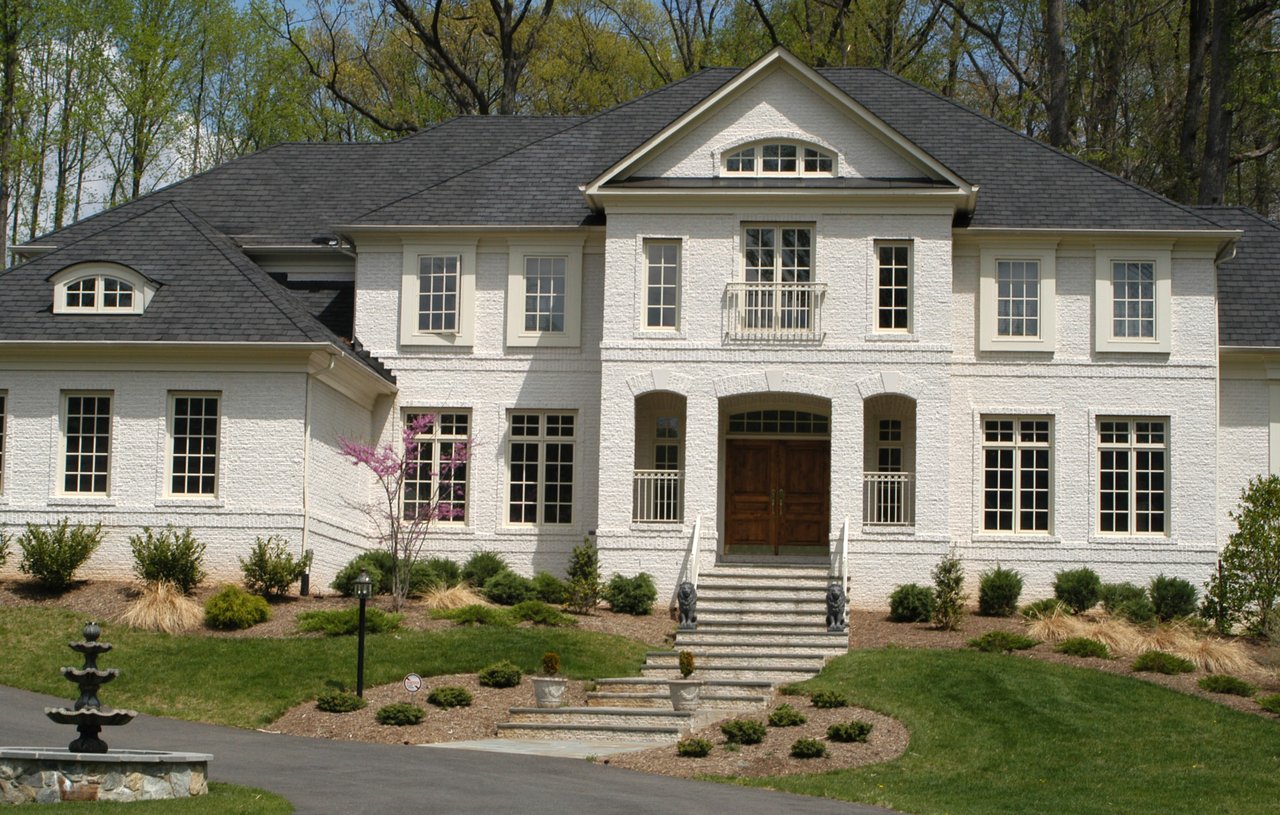
Wondering what $300,000 really buys you in Fern Creek? You are not alone. With a mid-range budget in Jefferson County, you have solid options, but each comes with trade-offs on size, condition, and lot. In this guide, you will see the types of homes that commonly list around $300K, what features to expect, and how to focus your search so you can move with confidence. Let’s dive in.
What $300K buys in Fern Creek
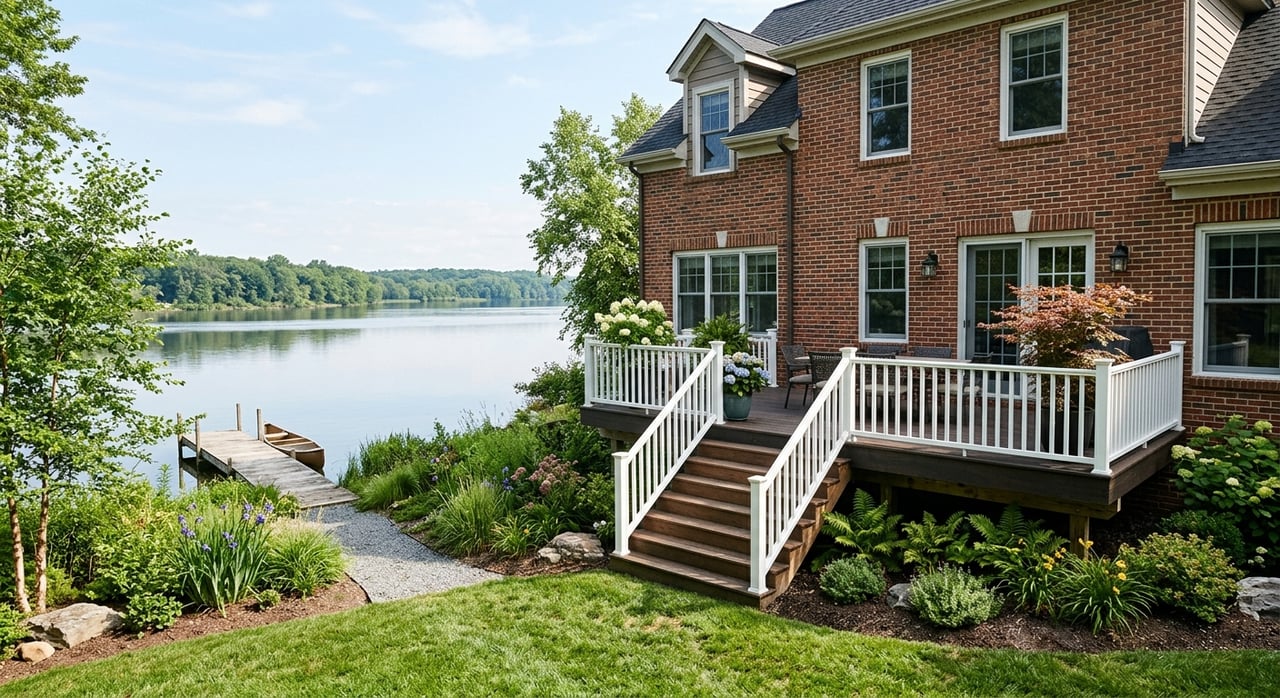
Fern Creek sits on the southeast side of Louisville with a mix of postwar subdivisions, classic 1970s–1990s homes, and some newer infill. At around $300,000, you are in a strong position for a single-family home, and you will also see townhomes and smaller newer builds in the mix.
Competition shifts with the market cycle. In tighter periods, well-priced $300K homes can draw multiple offers. In slower periods, you may have room to negotiate on price or repairs. Your goal is to set clear priorities before you tour so you can act quickly when the right home hits the market.
Common home profiles near $300K
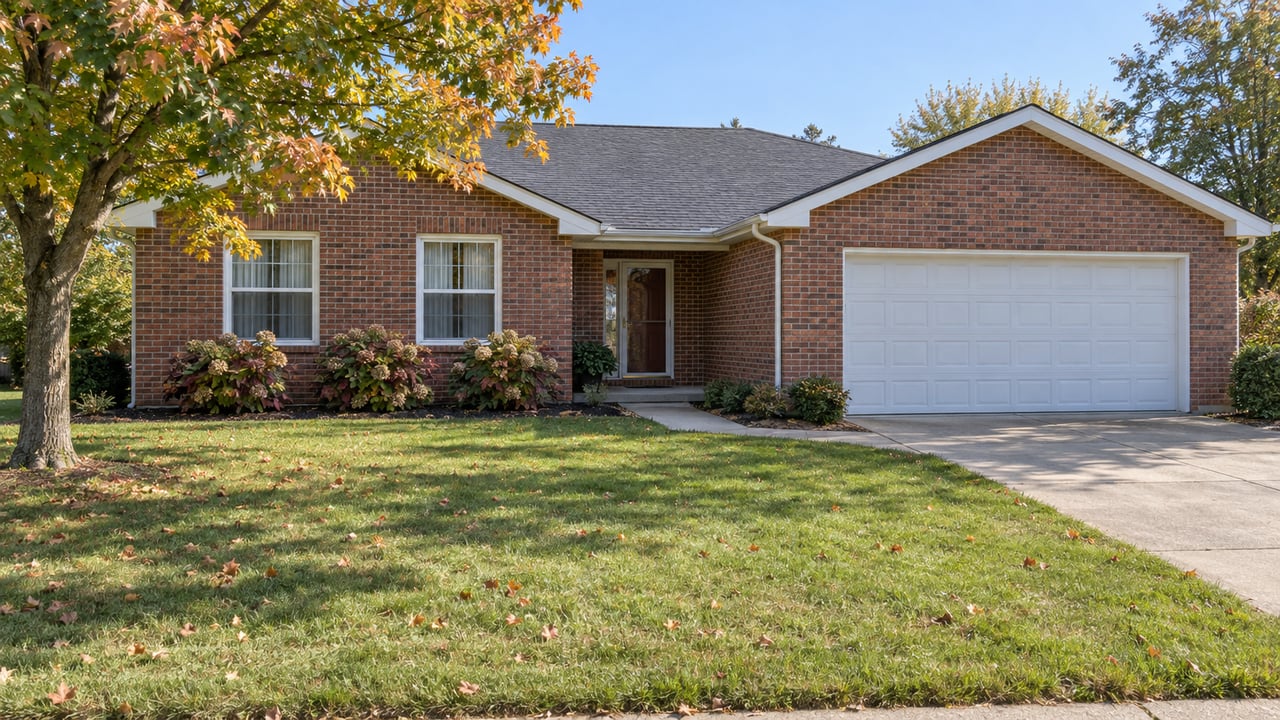
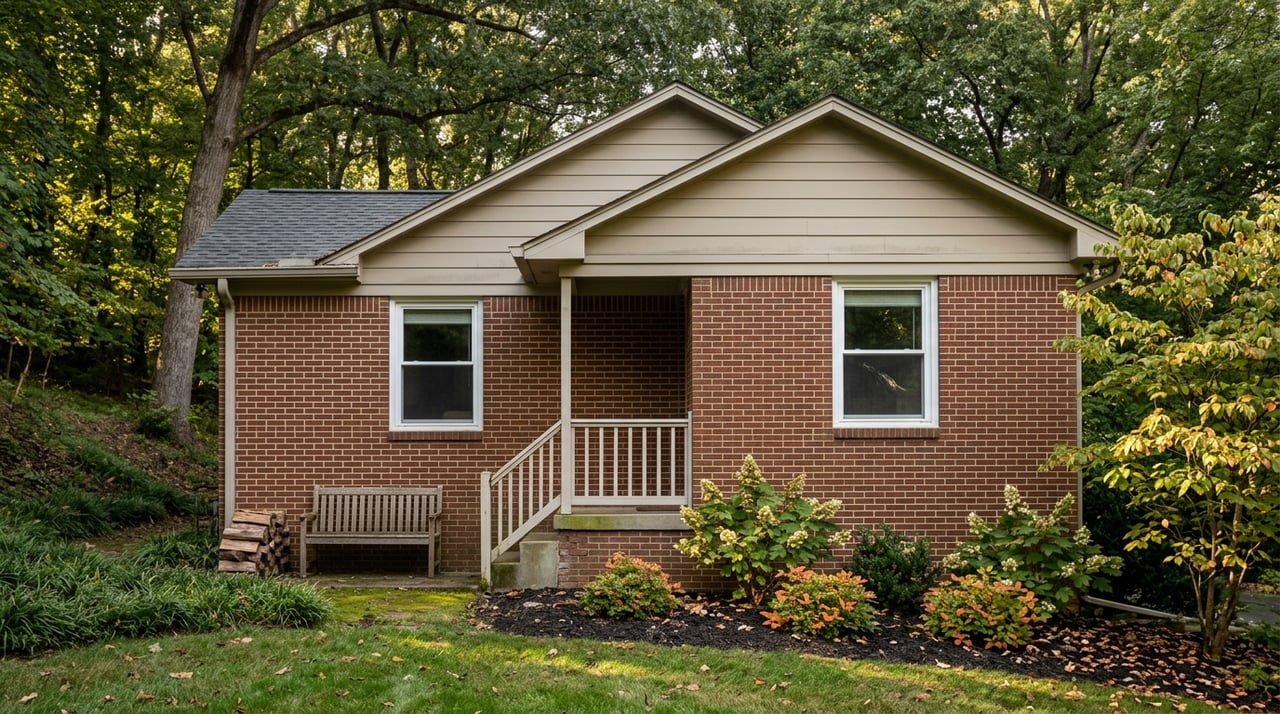
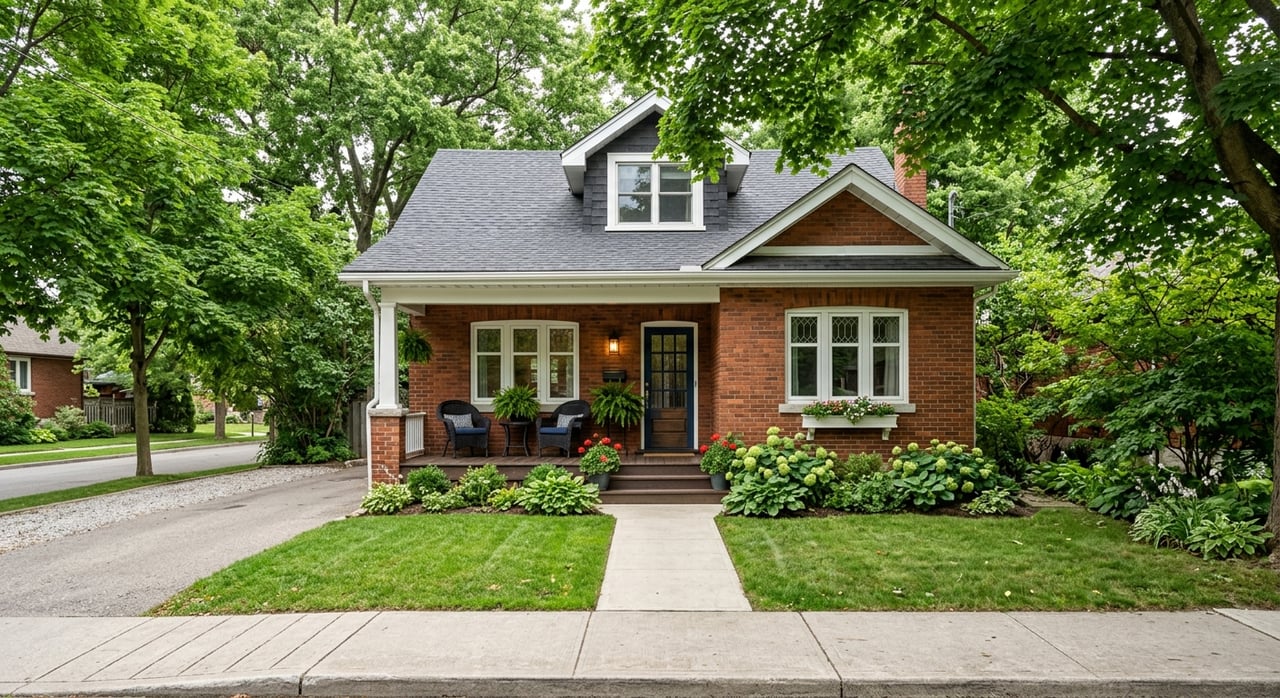
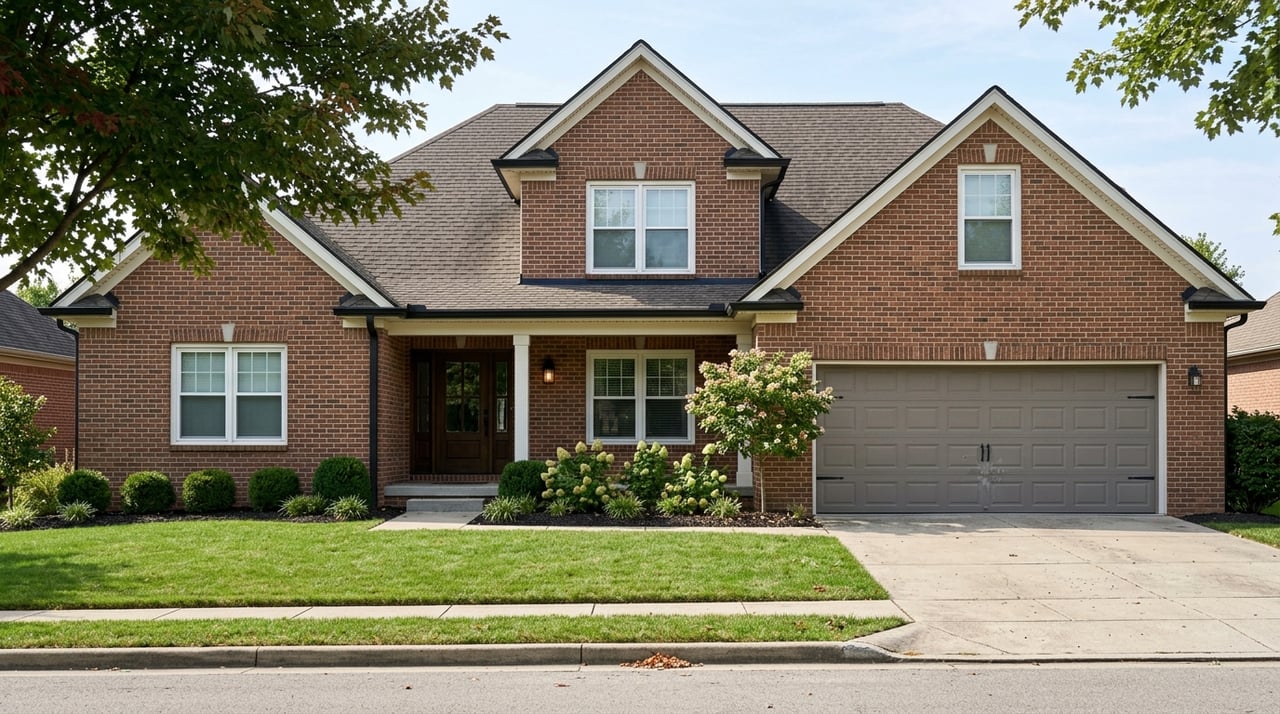
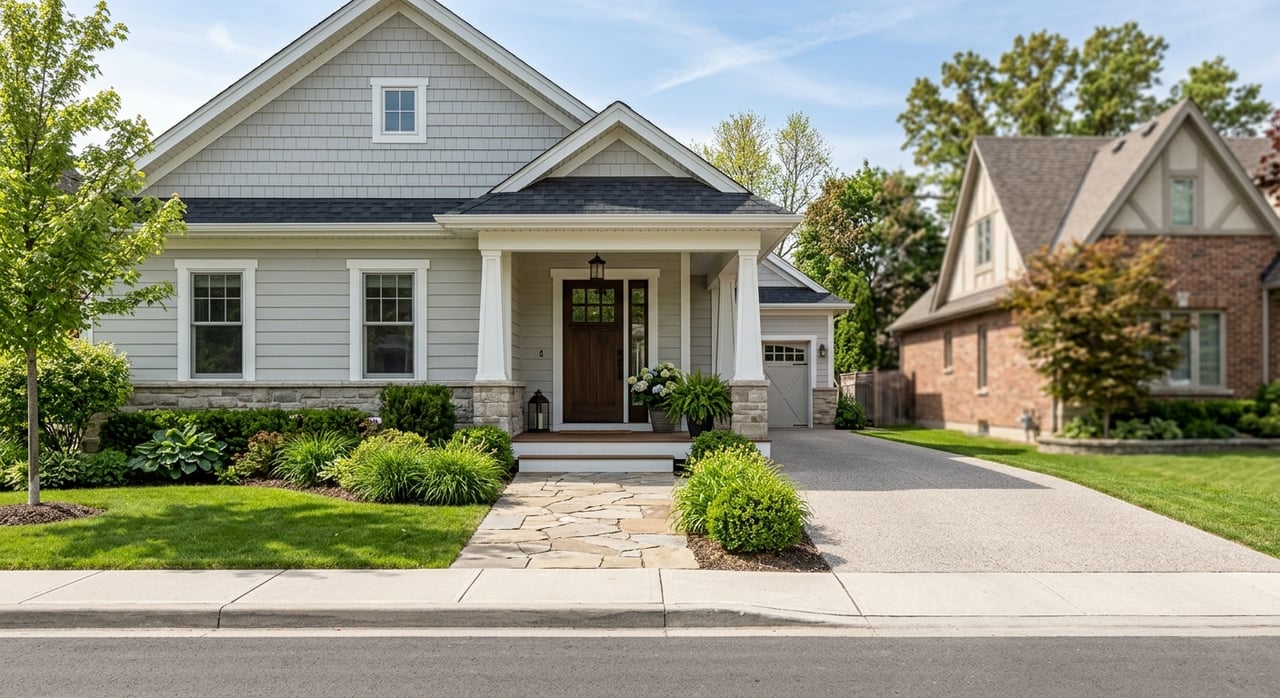
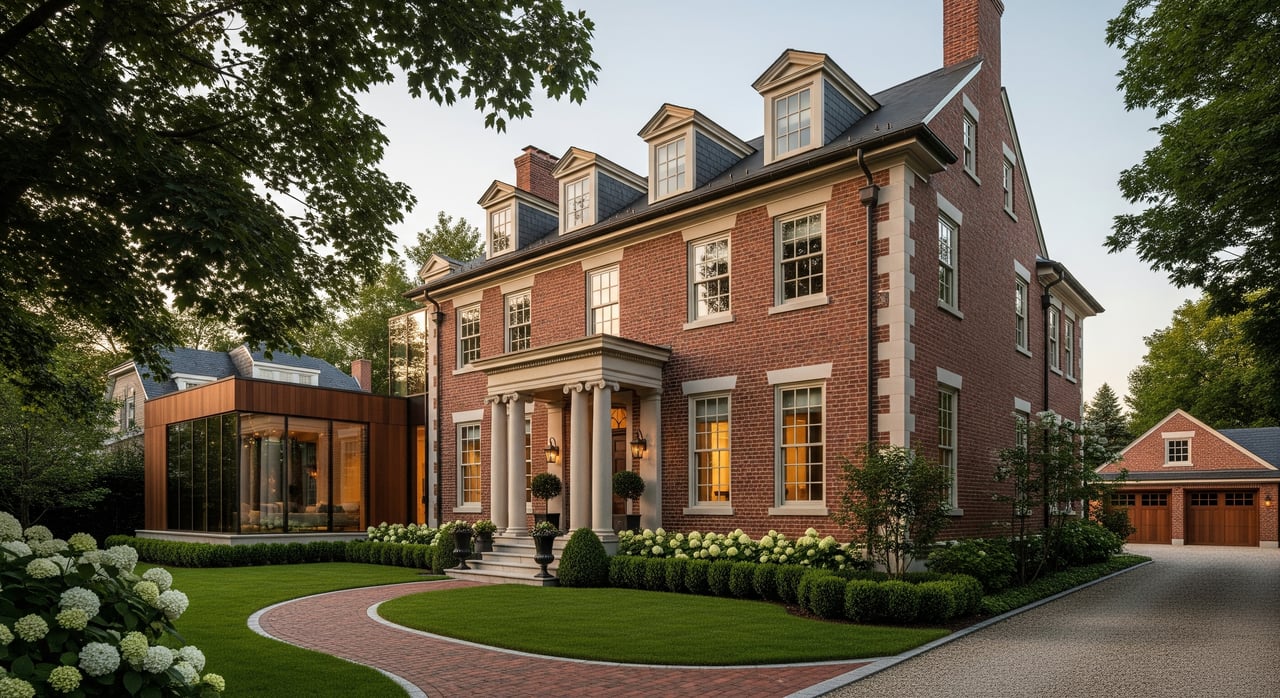
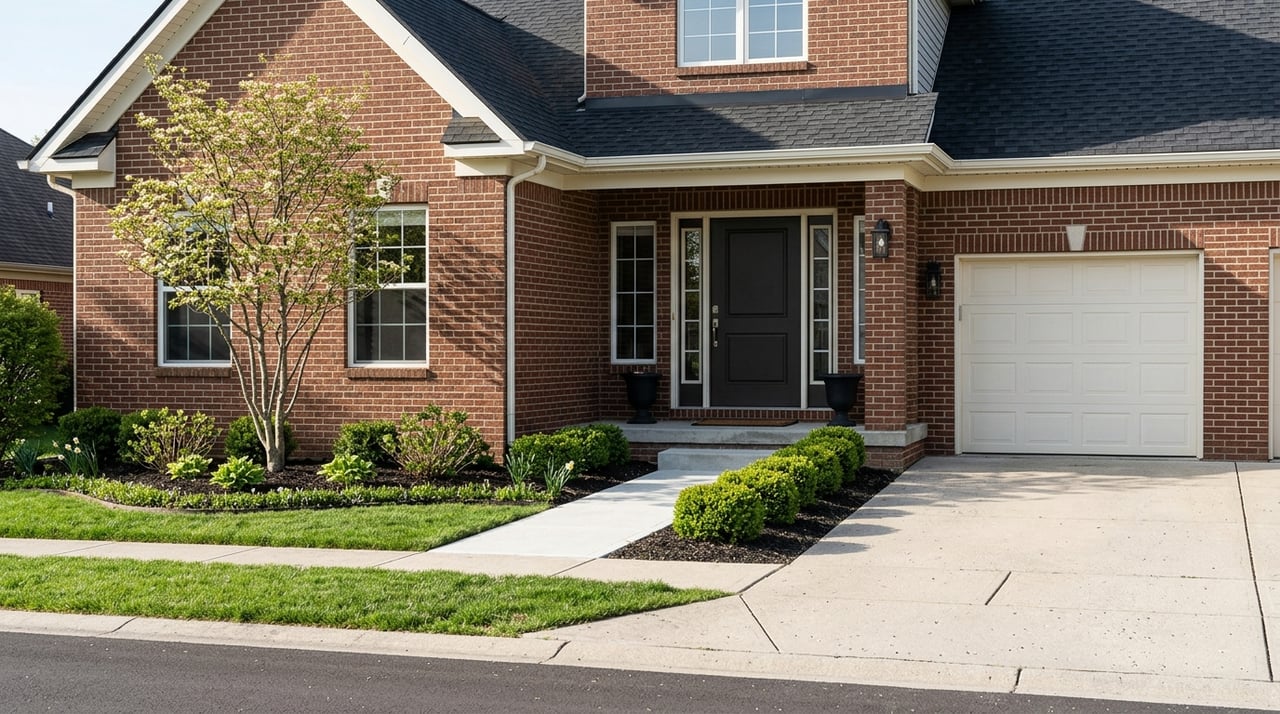
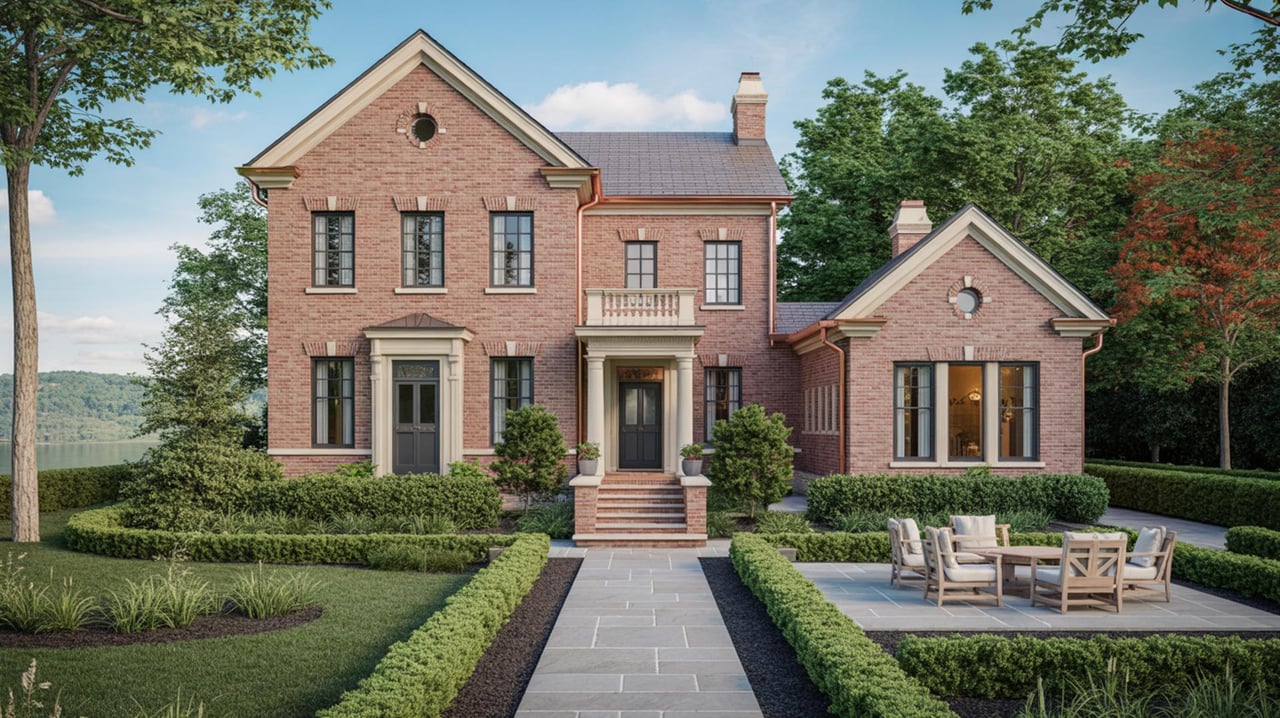
Single-family houses
- Size: About 1,100 to 1,900 square feet, often 3 bedrooms with 1.5 to 2.5 baths.
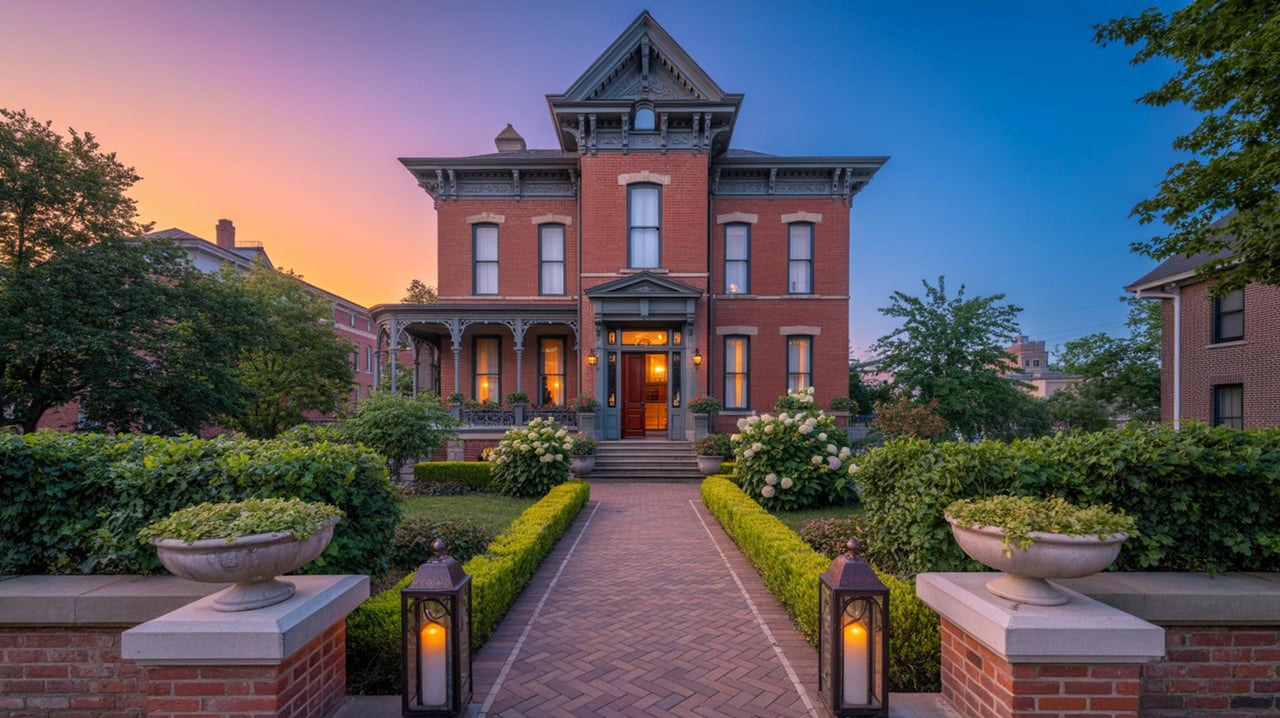
- Age: Many were built between the 1960s and 1990s, with some 2000s–2010s updates or infill.
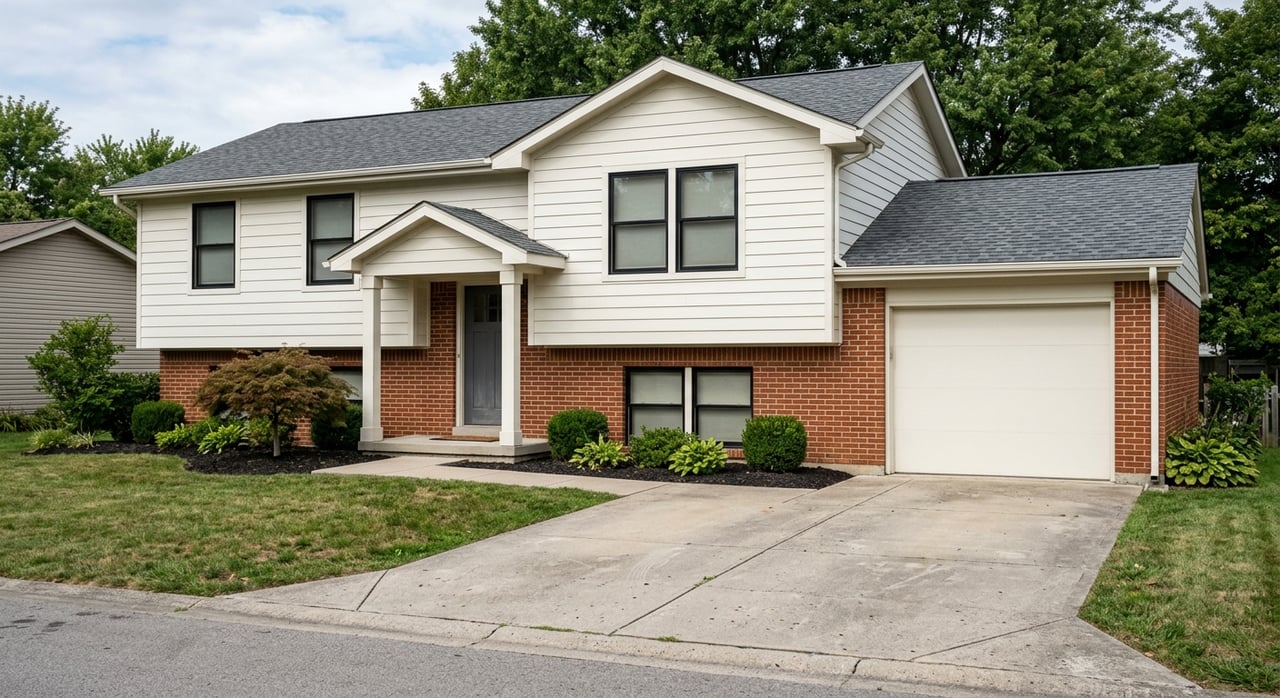
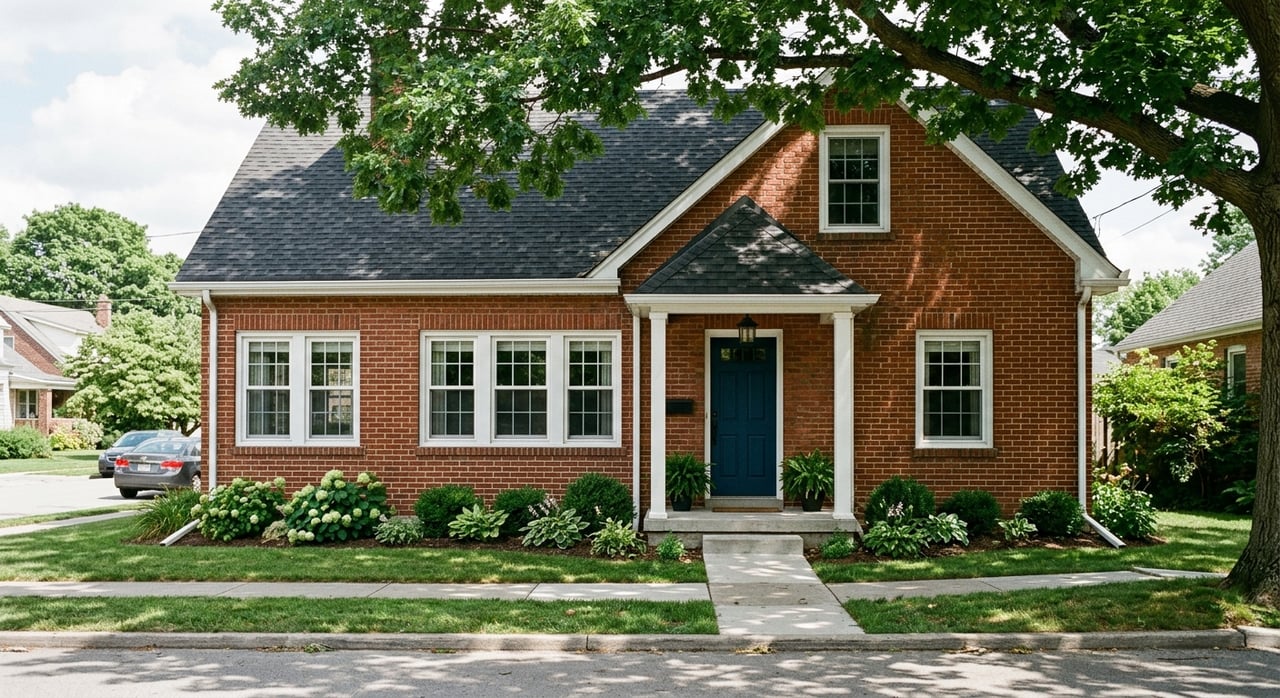
- Layouts: Ranch, split-level, and two-story plans are common.
- Lots: Small to medium suburban lots, roughly 0.15 to 0.5 acre, with larger yards near the area’s country edges.
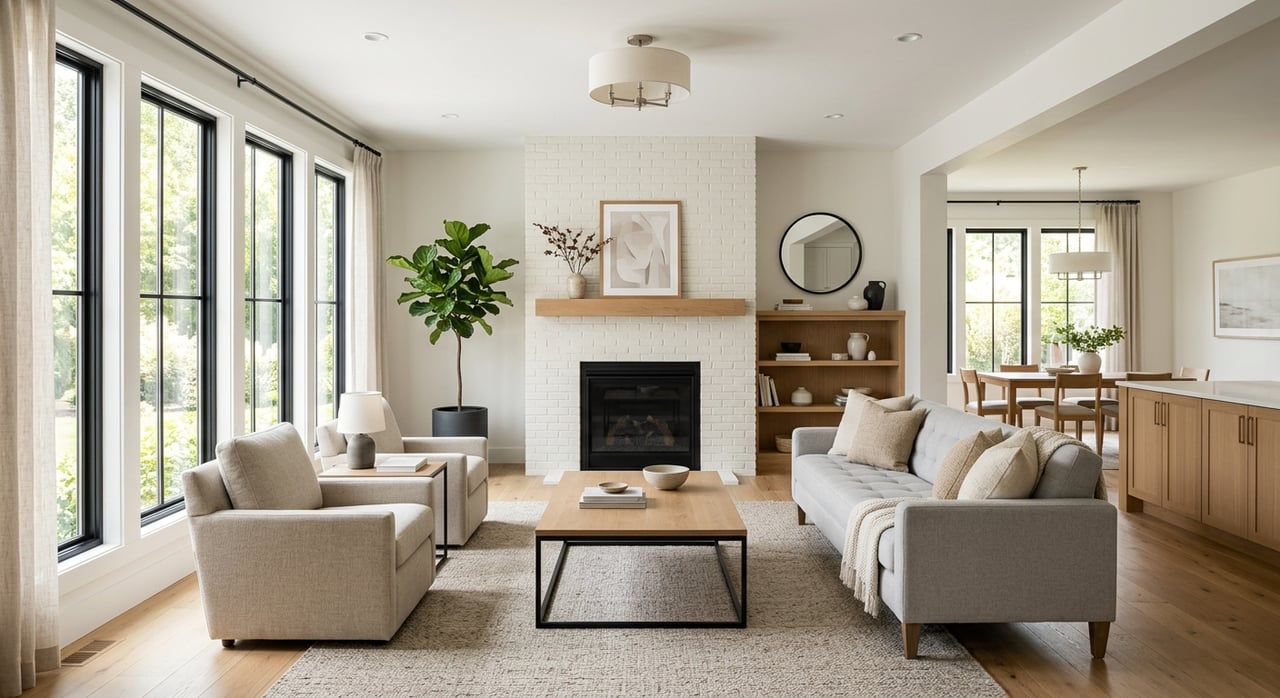
What this means for you: You can find a comfortable 3-bedroom home with practical space, but the level of updates and yard size will vary. Older homes may have charm and larger lots. Newer ones often trade yard space for modern systems and open plans.
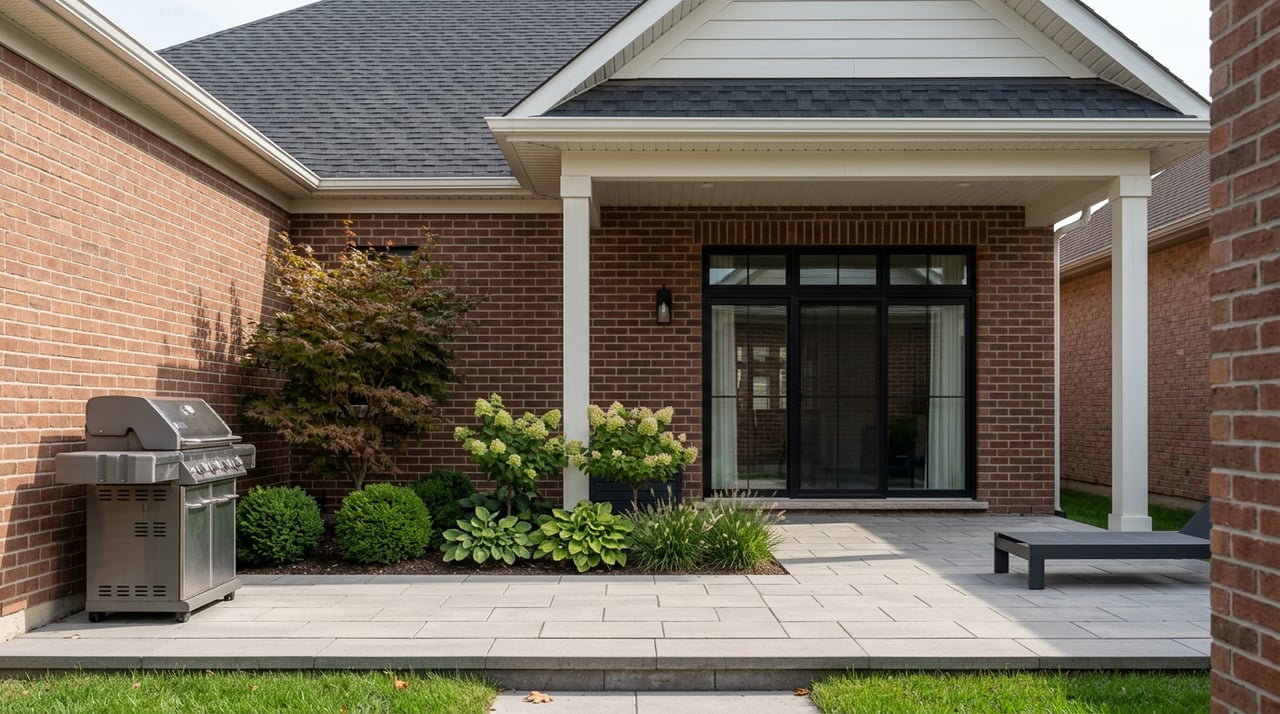
Townhomes and attached options
- Size: Often 1,000 to 1,600 square feet with 2 to 3 bedrooms.
- Value: You may get newer finishes or more square footage at the same price point compared with a detached home.
- HOA: Expect monthly dues that can cover exterior upkeep, landscaping, and common areas.
What this means for you: If you want lower maintenance and newer systems in your price range, a townhome can be a smart pick. Be sure to factor HOA rules, budgets, and reserves into your decision.
Newer and recent builds
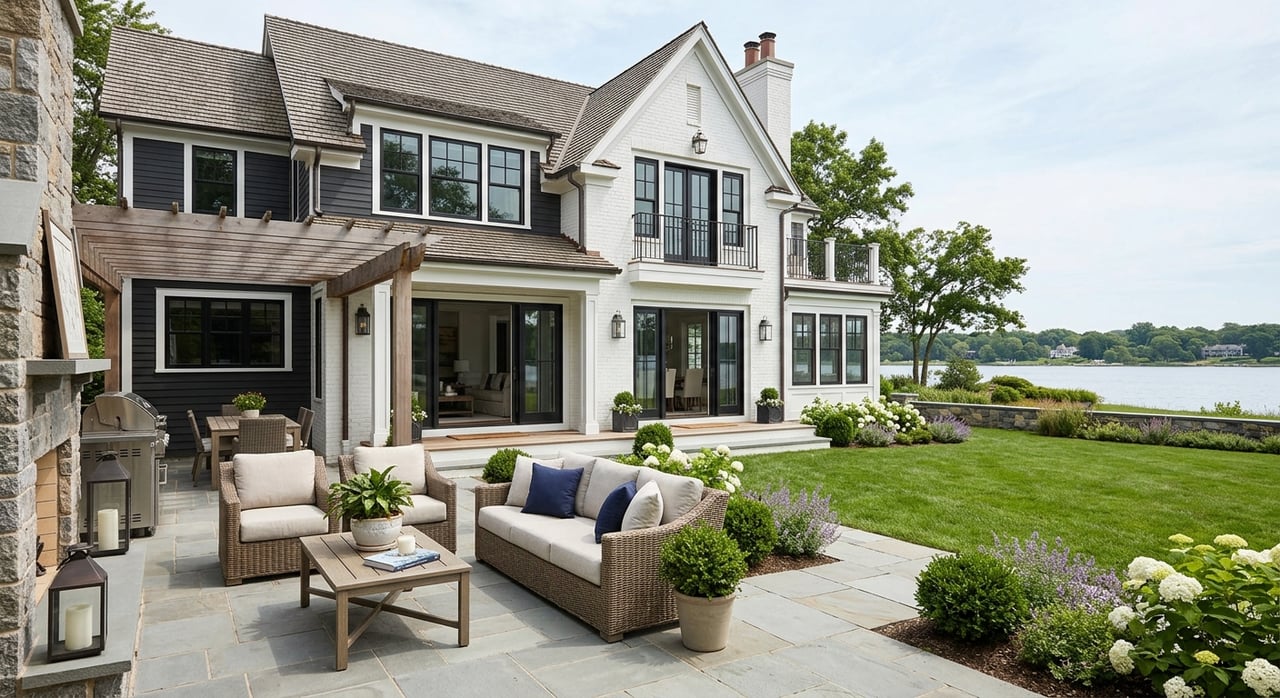
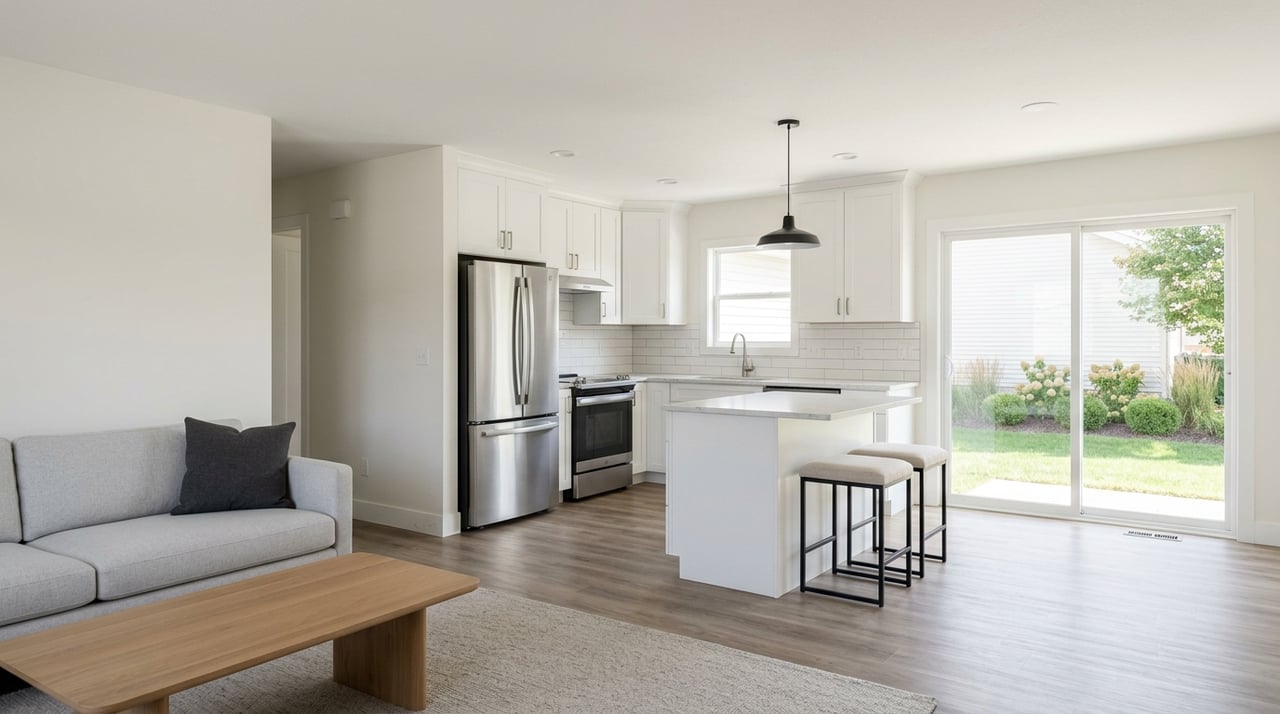
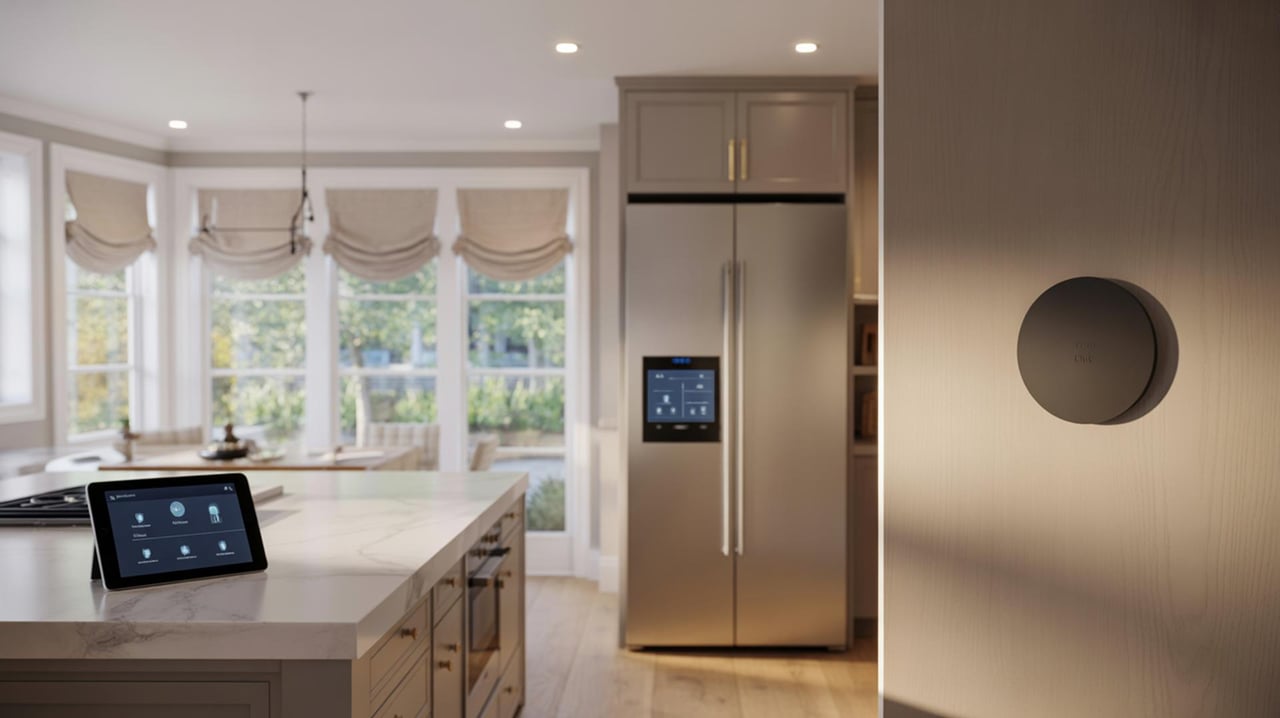
- Expect smaller lots but modern systems, energy efficiency, and open-concept layouts.
- At $300K, look for smaller detached homes or attached homes with contemporary finishes. Larger new builds often list higher.
What this means for you: You may trade yard size for move-in ease and lower near-term maintenance.
Condition and systems to expect
In homes from the 1960s through the 1990s, you may see partial updates over time. Plan to review:
- Roof age and condition.
- HVAC service history and age.
- Windows and insulation levels.
- Plumbing materials and water heater age.
- Basement moisture and drainage solutions.
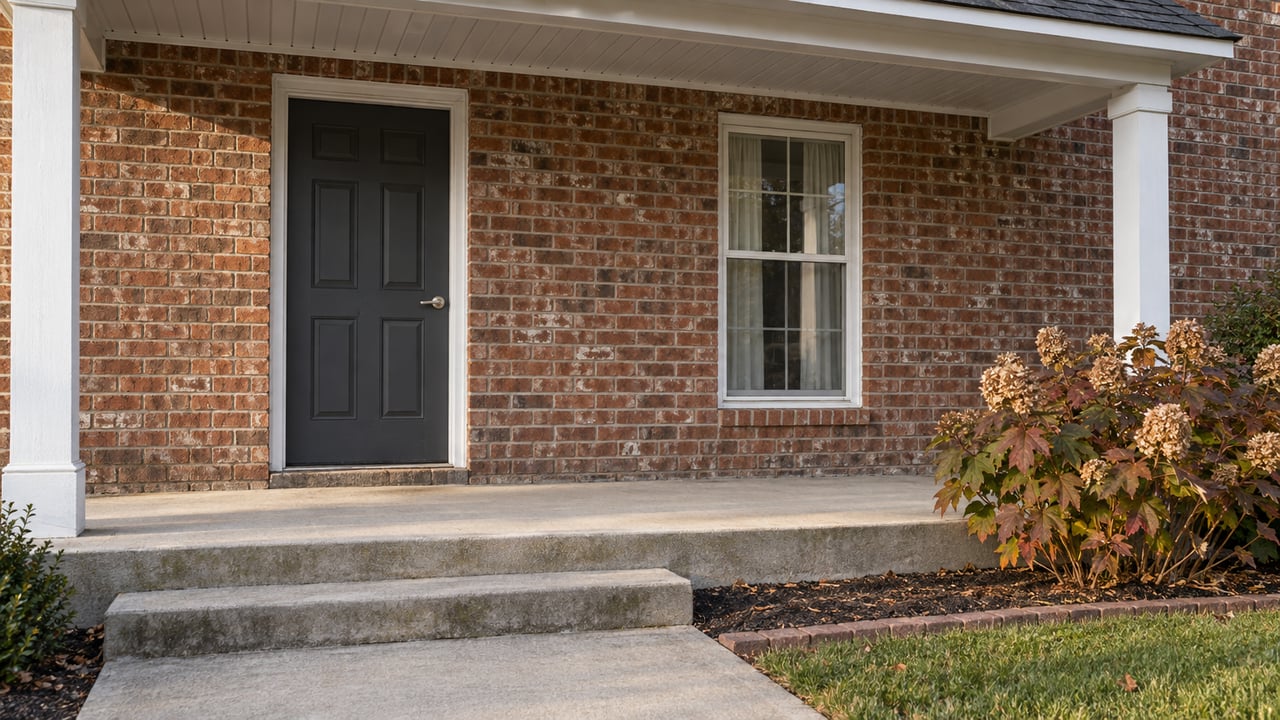
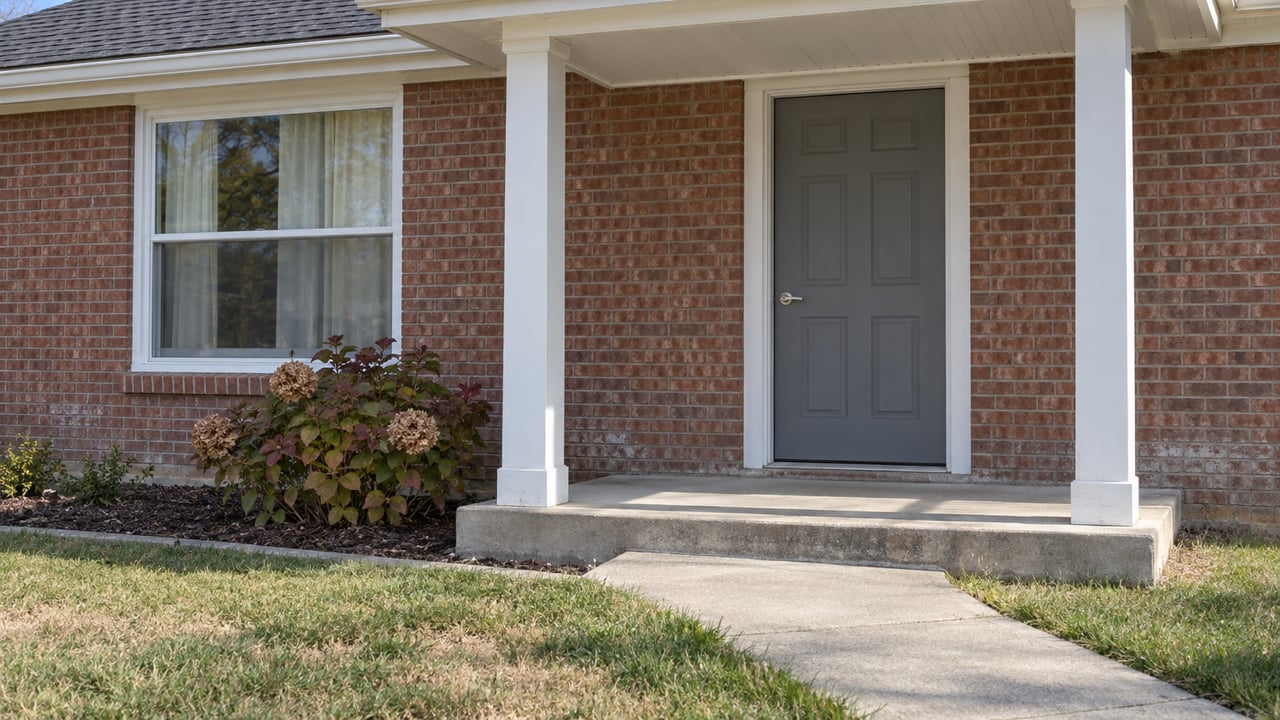
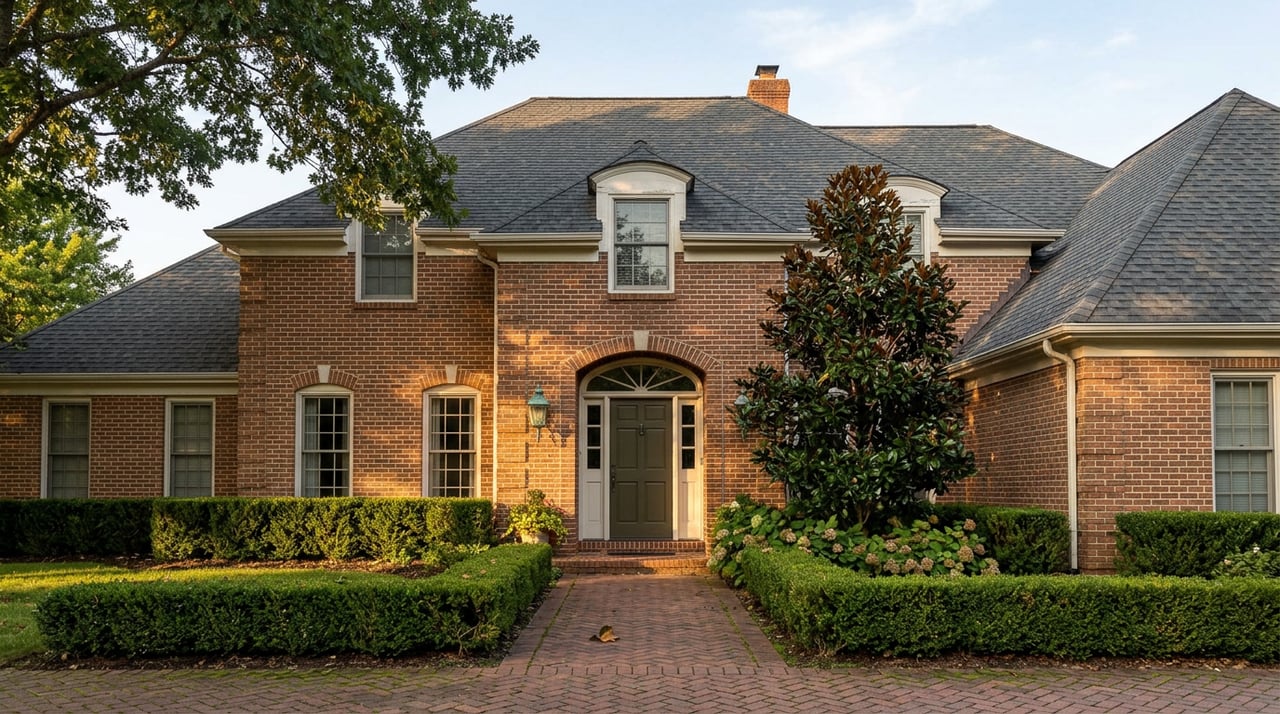
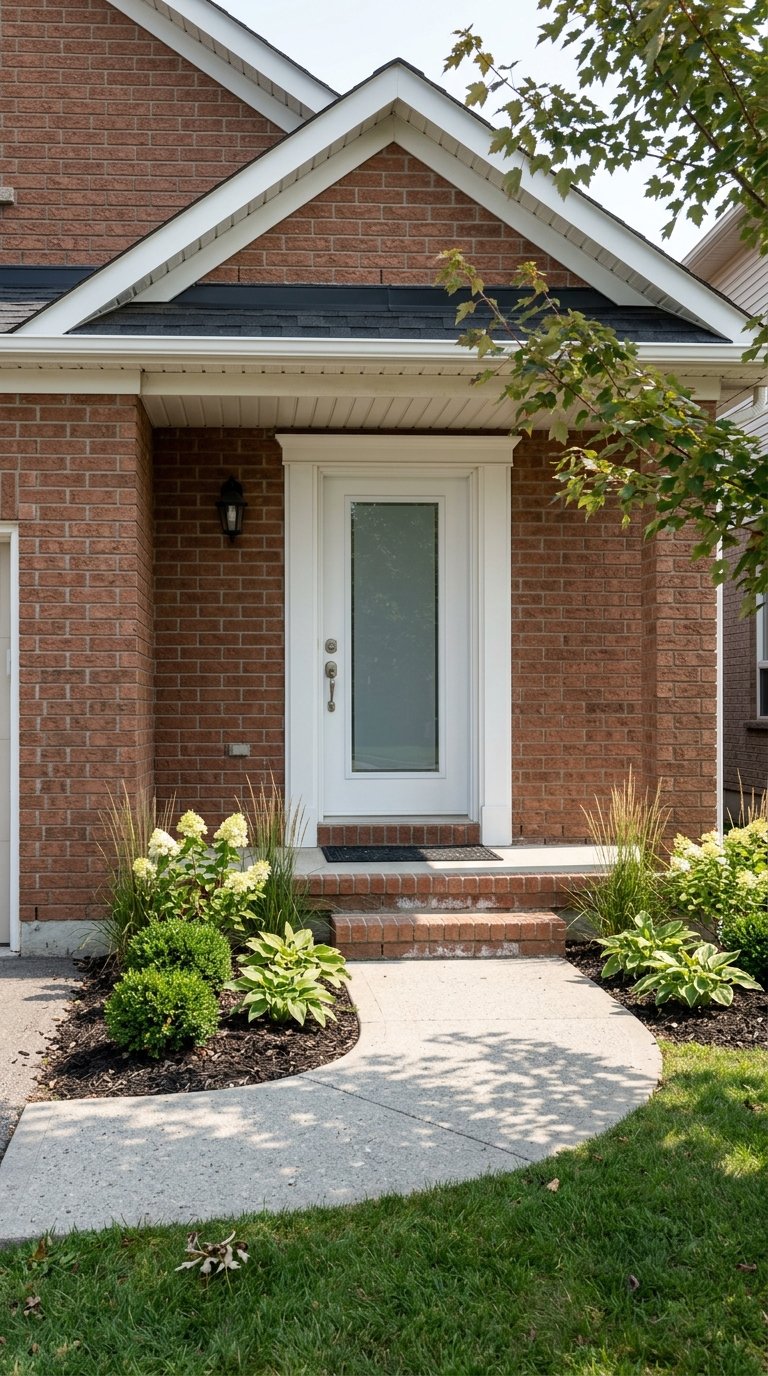
Many Fern Creek homes have basements. Evaluate for finished space quality and signs of moisture. Exterior materials often include brick veneer or vinyl siding.
Example scenarios and trade-offs
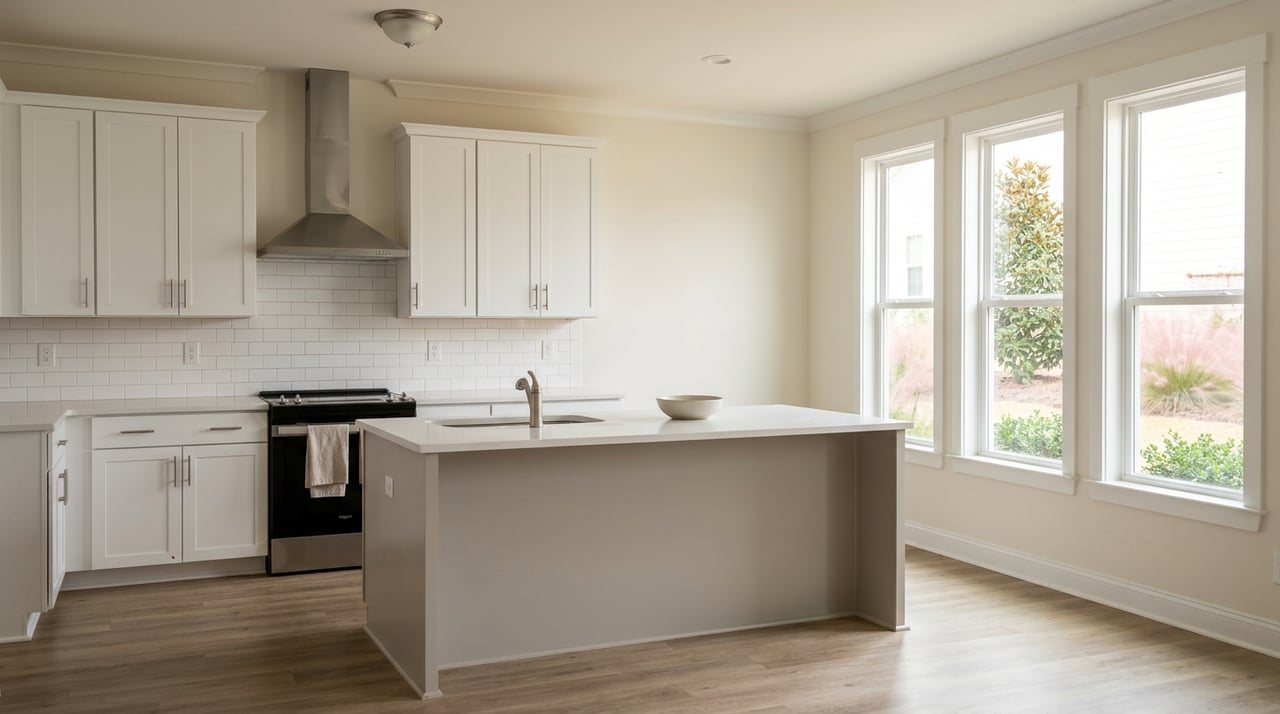
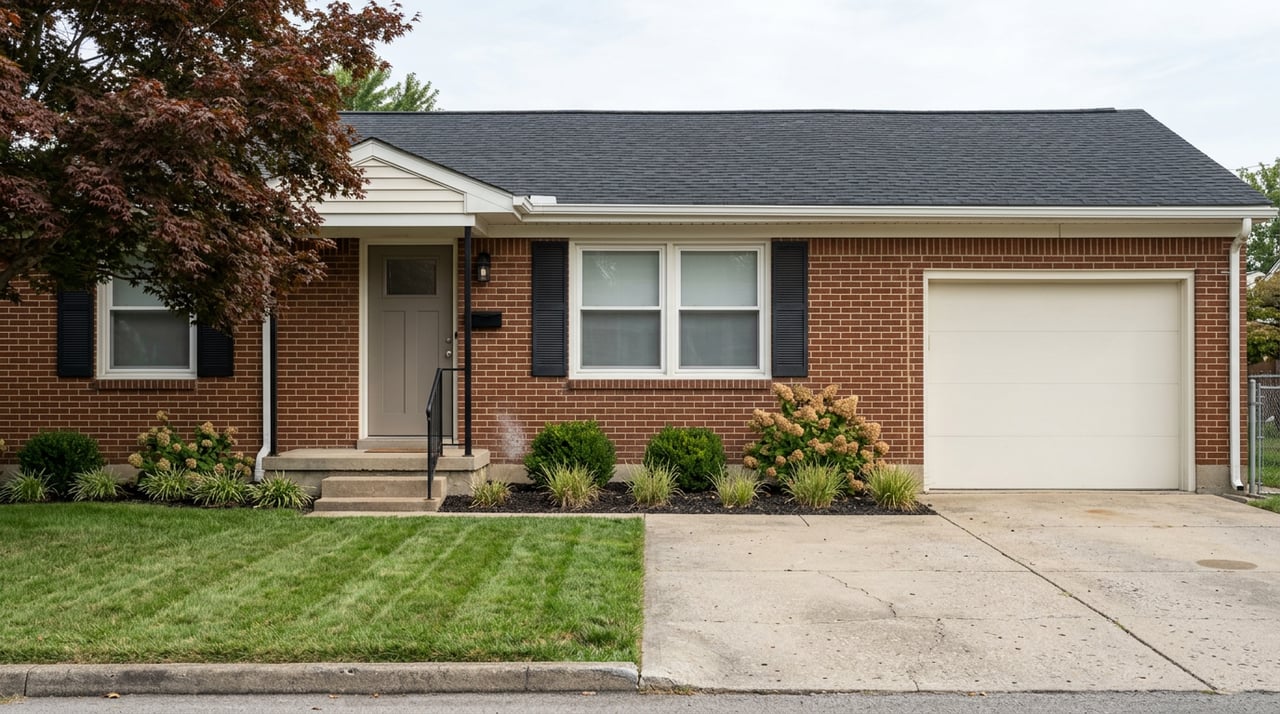
Scenario A: Move-in-ready ranch on a small lot
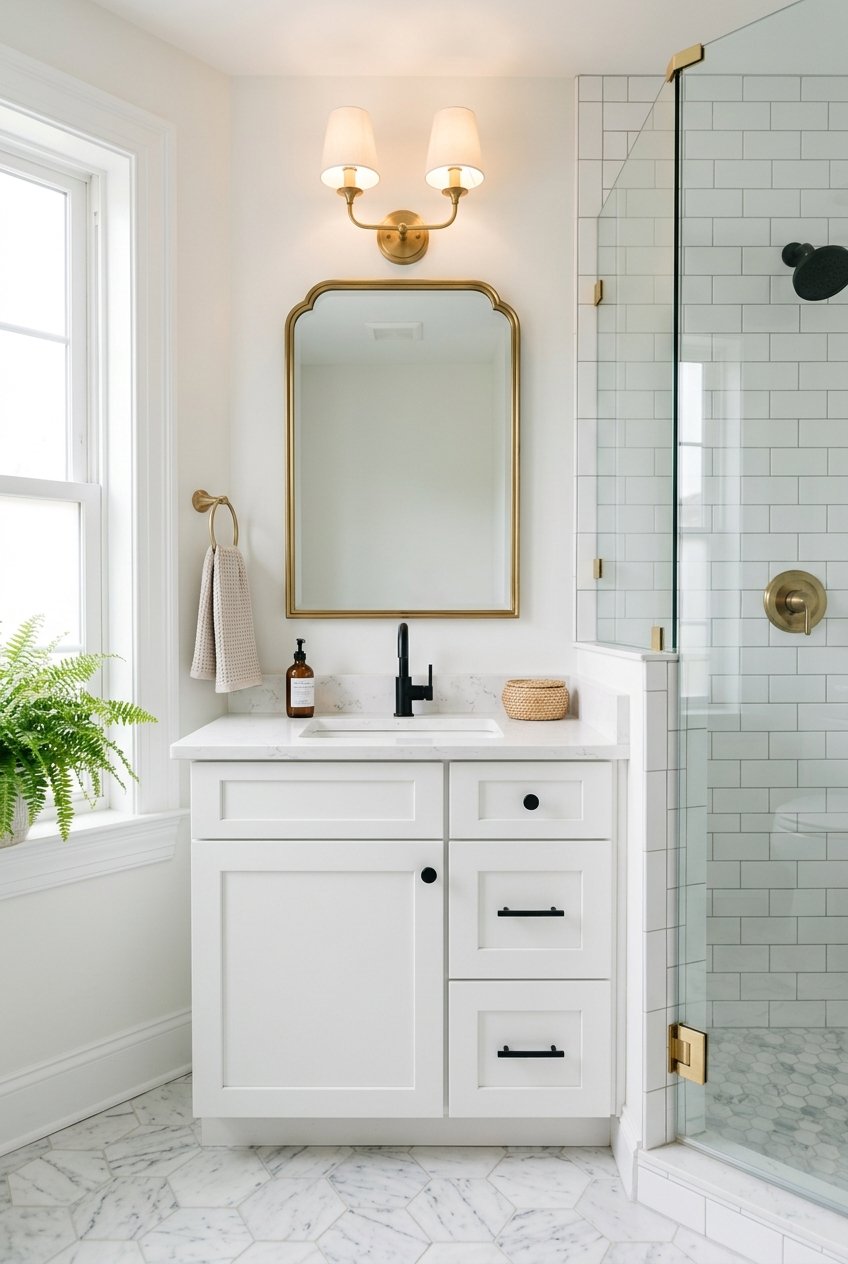
- Typical: 3 beds, 2 baths, about 1,300 square feet, with updated kitchen and bath.
- Pros: Minimal immediate maintenance and faster move-in.
- Cons: Smaller yard and limited room to expand; some older systems may remain behind the cosmetics.
- Timeline: About 30 to 60 days from contract to close if inspections are clean.
Scenario B: Larger lot, older split-level, cosmetic updates needed
- Typical: 3 to 4 beds, 2 baths, roughly 1,600 to 1,900 square feet on a 0.25 to 0.5 acre lot.
- Pros: More outdoor space and value-add potential through updates.
- Cons: Renovation time and cost; inspections may flag deferred maintenance like roof, HVAC, or electrical work.
- Timeline: Add 2 to 6 months for renovations after closing.
Scenario C: Newer small detached or townhome
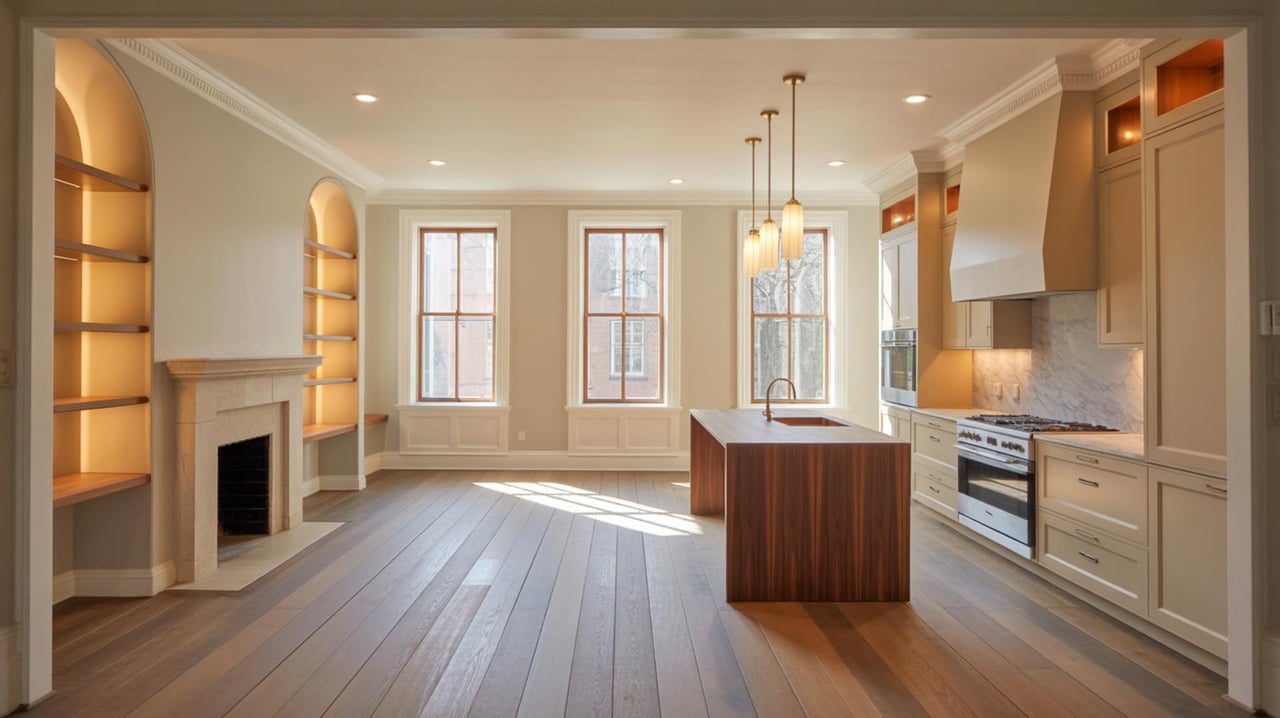
- Typical: 2 to 3 beds, 1,200 to 1,600 square feet with modern finishes and energy efficiency.
- Pros: Lower near-term maintenance and a contemporary layout.
- Cons: Smaller yard, HOA fees for attached options, and less mature landscaping.
- Timeline: Standard closing timeframe. Builder timelines vary for new purchases.
Scenario D: Fixer-upper for sweat equity
- Typical: Larger footprint at a lower price with major systems or structural work needed.
- Pros: Potential for significant equity gain if the scope is managed well.
- Cons: Hidden costs, longer timelines, and financing hurdles if condition is rough.
- Timeline: Anywhere from 3 to 12 months or more based on repair scope.
Key trade-offs to consider
- Size vs. lot: Larger interior space often means a smaller yard in newer builds. Older homes may offer bigger lots but need updates.
- Condition vs. timeline: Turnkey homes shorten your move-in timeline but usually cost more. Projects can boost equity but extend your timeline.
- Location vs. price: Small shifts in location can affect price, especially near major roads, shopping, or commute routes.
- HOA vs. independence: HOAs reduce exterior chores but add rules and monthly dues.
How to focus your search
Smart filters to set
- Bedrooms and baths target, plus square footage and lot size.
- Age range of the home and your must-haves, such as a garage, updated kitchen, or finished basement.
- Commute time to key destinations and proximity to daily needs.
- Desired school zones. Confirm specific attendance boundaries directly with the school district.
Set alerts and be ready to tour quickly, especially if a listing meets most of your must-haves. In active pockets, the best values move fast.
Budgeting and financing basics
- Get pre-approved before touring. You will know your budget and show sellers you are serious.
- At a $300,000 purchase price, a 20 percent down payment is $60,000, which avoids private mortgage insurance. Lower down payment programs can work but increase monthly costs.
- Include property taxes and homeowners insurance in your monthly budget. You can review parcel tax history through the Jefferson County Property Valuation Administrator and request insurance quotes from local providers.
- If you plan to renovate, ask lenders early about FHA 203(k) or Fannie Mae HomeStyle renovation loans, or consider personal financing. These options can shape your offer strategy.
Inspection priorities in Fern Creek
A careful inspection helps you avoid surprises and budget for near-term repairs. Pay attention to:
- Roof age and shingle condition.
- Foundation, basement moisture, and drainage. Look for sump pumps or French drains.
- HVAC age, efficiency, and service records.
- Electrical panel capacity and wiring type. Upgrades may be needed in older homes.
- Plumbing condition and water heater age.
- Radon testing. The EPA recommends testing in all homes.
- Termite or pest inspections if wood damage is a concern.
- Sewer vs. septic. Most homes are on public utilities, but confirm service, especially near the area’s edges.
Timelines to expect
- Home search: Several weeks to a few months, depending on inventory and your criteria.
- Offer to acceptance: Same day to a few days in competitive situations.
- Inspection and negotiation: Usually 7 to 14 days.
- Closing: About 30 to 45 days with conventional financing. Cash can close faster.
- Renovations: Cosmetic updates take 1 to 6 weeks. Major projects can run 2 to 6 months or more.
Local factors that affect value
- Schools and services: Fern Creek is served by Jefferson County Public Schools. School zones can vary by block. Confirm current boundaries and any program options directly with the district.
- Commute and amenities: Access to I-65 and I-265, as well as shopping and parks, can influence pricing and demand.
- Flood risk: Review FEMA flood maps and local GIS resources to confirm floodplain status. Flood insurance may be required in some areas.
- HOA rules and fees: Review budgets, reserves, and community rules for townhomes and subdivisions with associations.
- Permits and renovations: Structural, electrical, and plumbing work typically require permits through Louisville Metro. Confirm requirements before you plan a remodel.
Your next step in Fern Creek
If $300K is your target, you have options in Fern Creek. The key is to set your priorities, get pre-approved, and tour with a plan so you can act fast when the right home appears. Whether you want a move-in-ready ranch, a bigger yard that needs updates, or a newer townhome with lower maintenance, the right strategy makes the difference.
Ready to see homes that fit your budget and timeline? Connect with Gilbert Zaldivar and the ZHomes Real Estate team for local guidance, bilingual support, and a step-by-step plan from search to closing.
FAQs
What can I expect for $300K in Fern Creek homes?
- Mostly single-family homes around 1,100 to 1,900 square feet with 3 bedrooms, plus townhomes or smaller newer builds depending on location and condition.
Will $300K buy new construction in Fern Creek?
- You may find smaller new builds or attached options with modern systems at this price, while larger new detached homes often list higher.
How long does a Fern Creek purchase take at $300K?
- Plan on a search of weeks to months and a 30 to 45 day closing after acceptance, with inspections typically 7 to 14 days.
What inspections matter most for Fern Creek properties?
- Roof, foundation and moisture, HVAC, electrical, plumbing, radon testing, and pest checks are common priorities for local homes.
How should I budget for costs beyond the mortgage?
- Include taxes, homeowners insurance, HOA dues if applicable, and a reserve for near-term repairs such as roof, HVAC, or water heater replacements.
Are Fern Creek school zones consistent across the area?
- Jefferson County Public Schools manages zones that can vary by block, so confirm the current assigned schools directly with the district before you offer.