Looking for a Louisville neighborhood where green space is part of daily life, not just a weekend bonus? Living near Iroquois Park gives you close access to one of South Louisville’s most recognizable public spaces, along with established streets, community gathering spots, and a housing mix that feels more varied than many newer areas. If you are thinking about buying, selling, or relocating, this guide will help you understand what day-to-day life near the park can really look like. Let’s dive in.
Iroquois Park shapes daily life
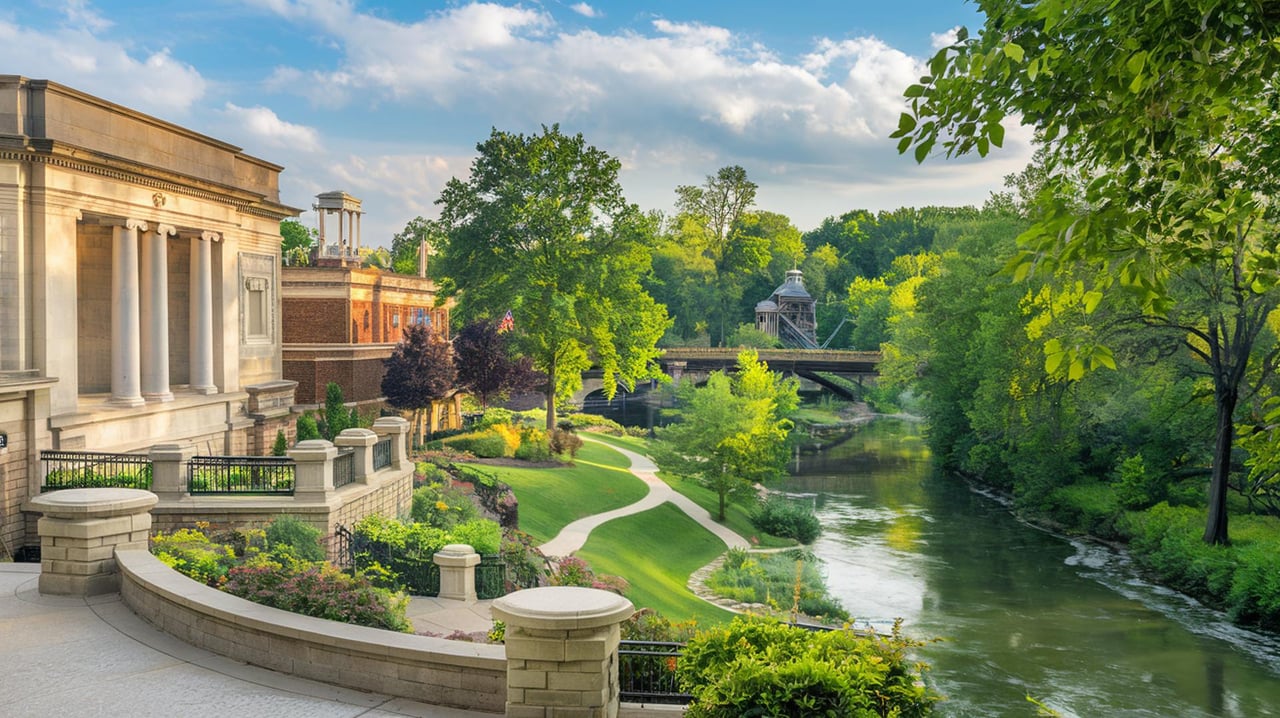
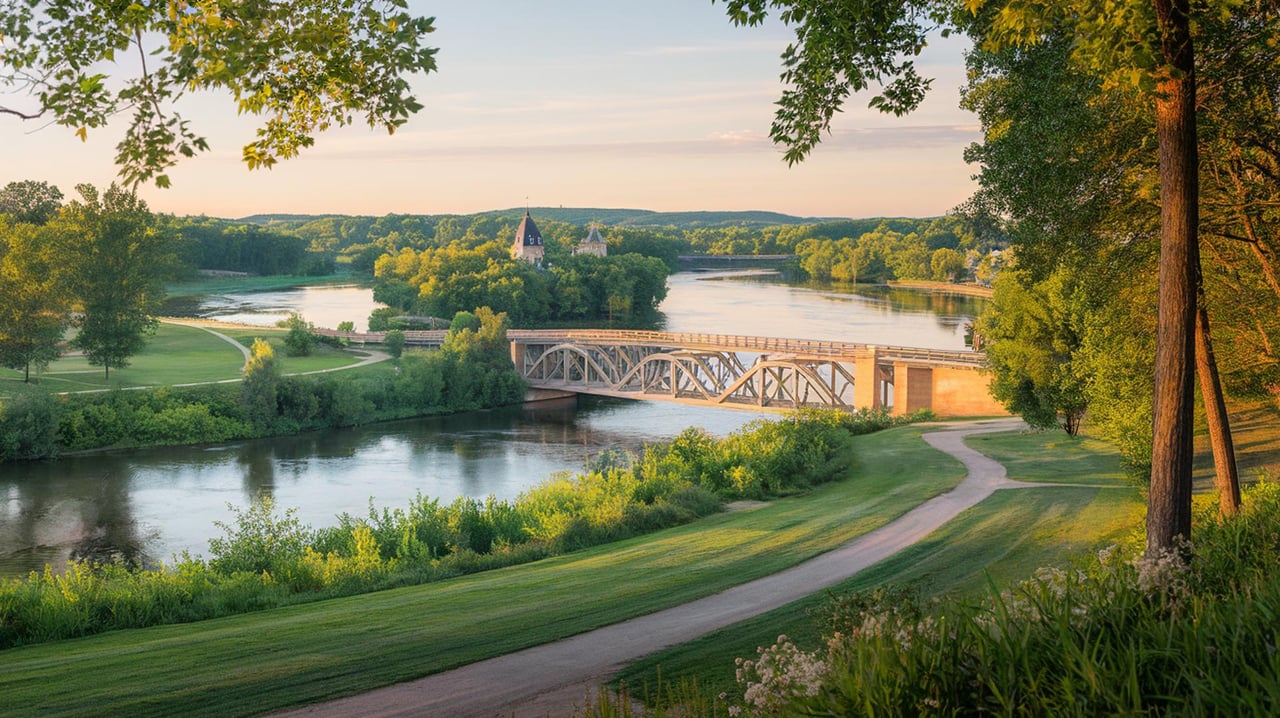
One of the biggest draws of living near Iroquois Park is that the park is not a small patch of grass tucked into a neighborhood. Louisville Metro describes it as a scenic reservation of forested hillsides planned by Frederick Law Olmsted, with mature woods, steep hillsides, pedestrian paths, bridle trails, and circuit drives. That gives the area a more natural, expansive feel than you might expect inside the city.
The park also supports many ways to spend time outdoors. Louisville Metro lists hiking trails, horse-riding trails, golf, disc golf, pickleball, playgrounds, and scenic overlooks among its amenities. For many residents, that means you can build outdoor time into your normal routine instead of planning a special trip across town.
Another standout feature is the North Overlook area. Louisville Metro says the project restored a wheelchair-accessible path and opened wide views toward downtown Louisville and the Indiana Knobs. That adds to the appeal for everyday walks, fresh air, and simple moments outside.
The park is active year-round
Living near Iroquois Park is not only about quiet scenery. The park also has a strong social side, thanks in part to the Iroquois Amphitheater. Louisville Metro notes that the amphitheater opened in 1938 through WPA labor, seats 2,366 people, and continues to serve as a major outdoor venue.
The city’s 2026 season announcement highlights live music, movie nights, and community events at the amphitheater. For nearby residents, that can make entertainment feel close and convenient. Instead of driving across Louisville for something to do, you may have seasonal events right near home.
Community life extends beyond the park
The neighborhoods around Iroquois Park feel connected by more than geography. The Beechmont Neighborhood Association says it has served the neighborhood since 1983 and holds public meetings at the Beechmont Community Center. That long-running neighborhood presence helps create a sense of continuity and local involvement.
The Beechmont Community Center also adds practical value to daily life. According to the association, the center offers youth sports, fitness classes, arts workshops, and other community programming. For residents, that means nearby options for activities and local engagement beyond the park itself.
Food and gathering spaces also help shape the area. The South End Community Market is held at Iroquois Park near New Cut Road and West Kenwood Drive, with support from neighborhood groups. That gives residents a seasonal place to shop, connect, and spend time locally.
Colonial Gardens adds another point of activity near the park. Louisville Metro describes it as an iconic local landmark across from Iroquois Park, and city redevelopment coverage tied the site to new restaurants and jobs adjacent to the park. In day-to-day terms, that means nearby dining and community activity without needing to leave the South End.
Housing near Iroquois Park feels established
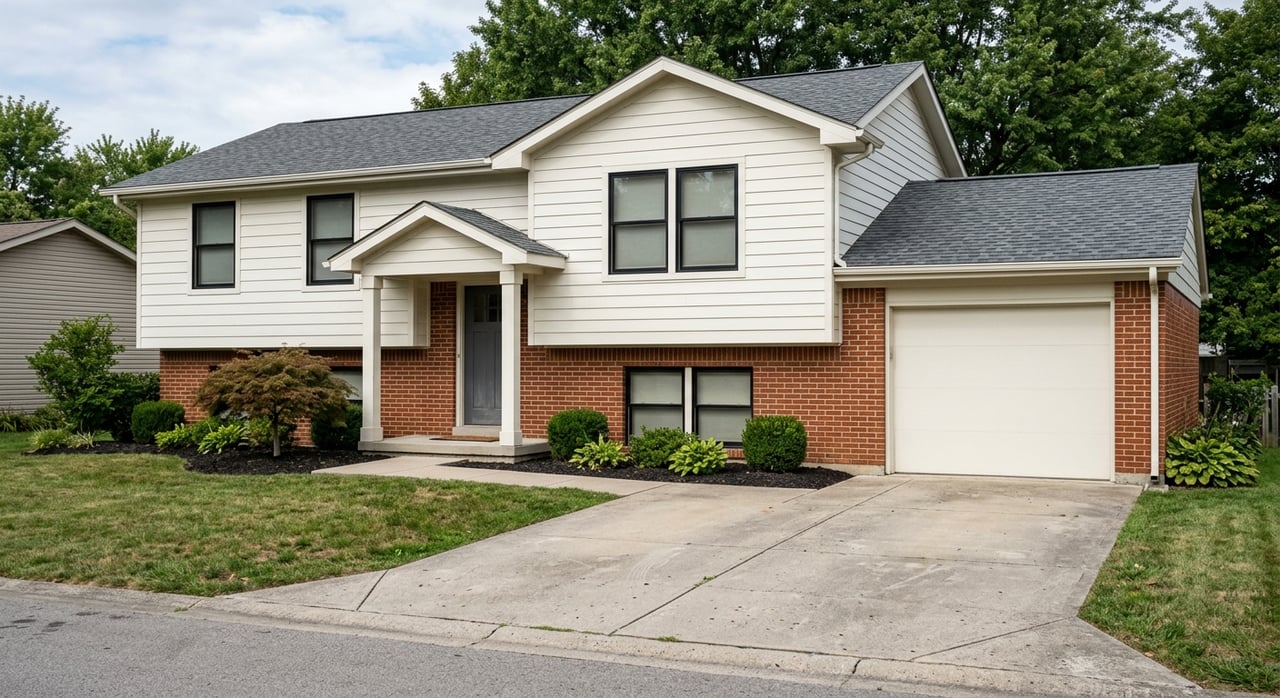
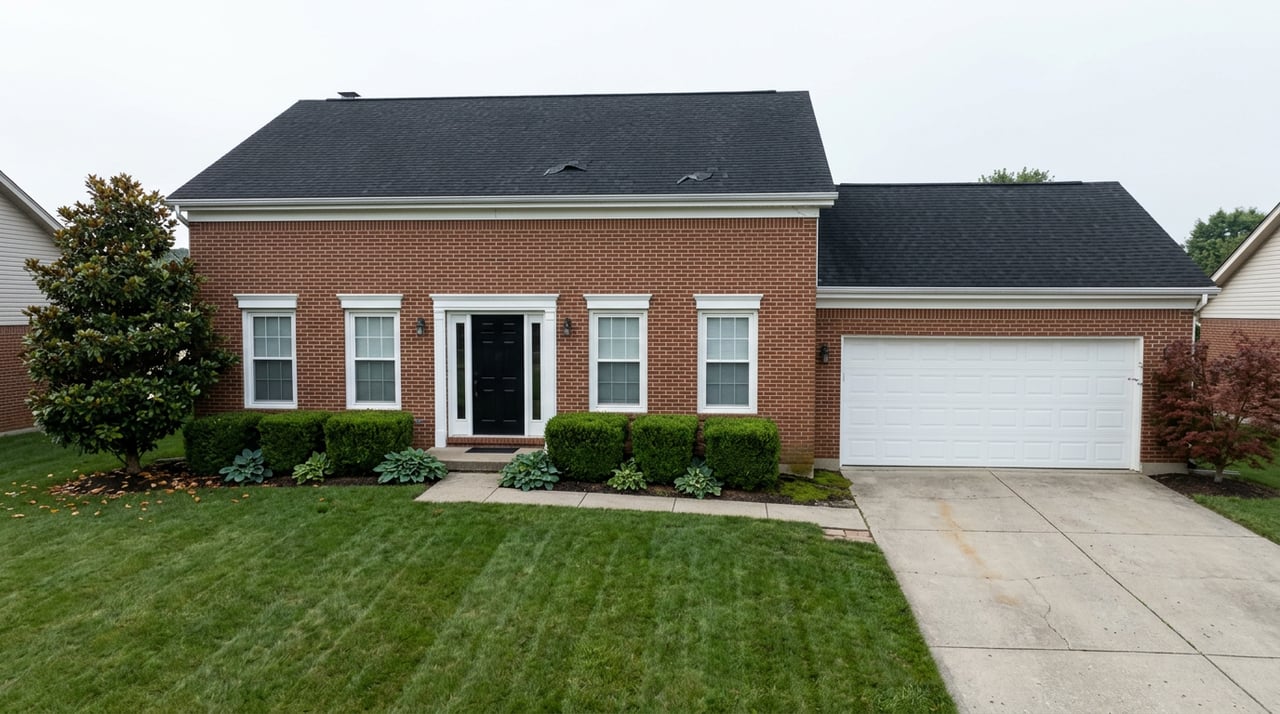
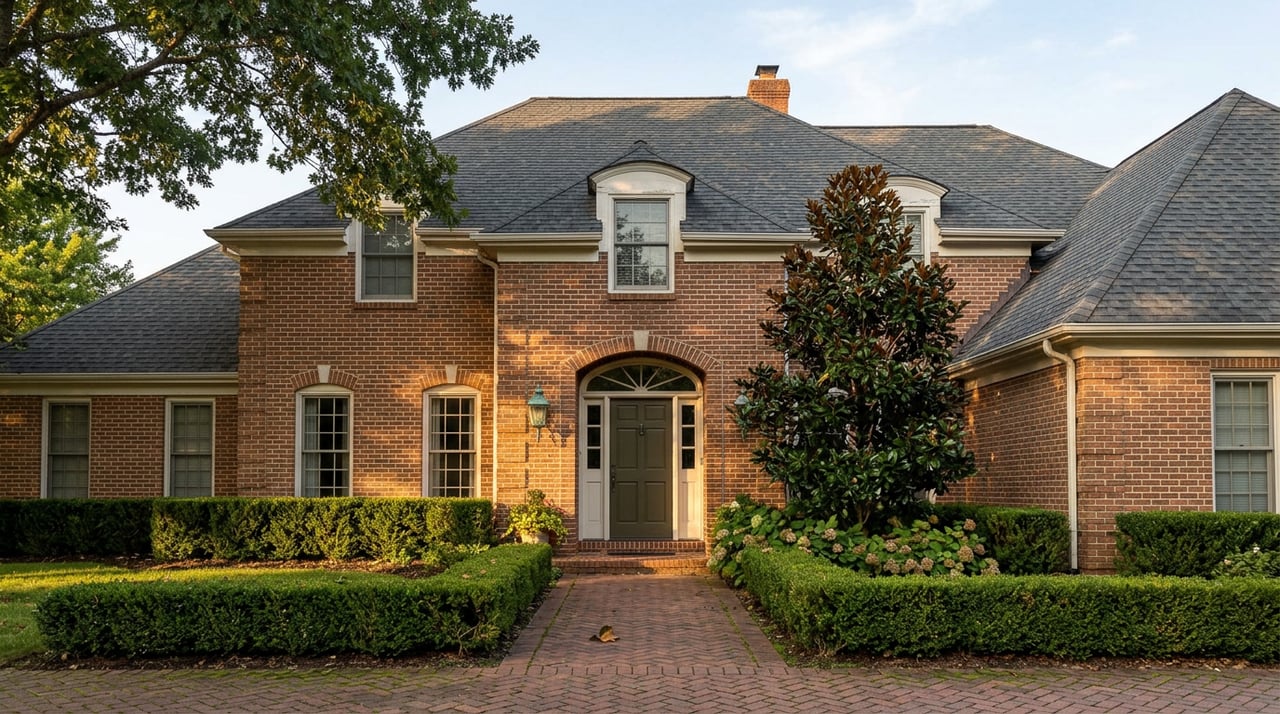
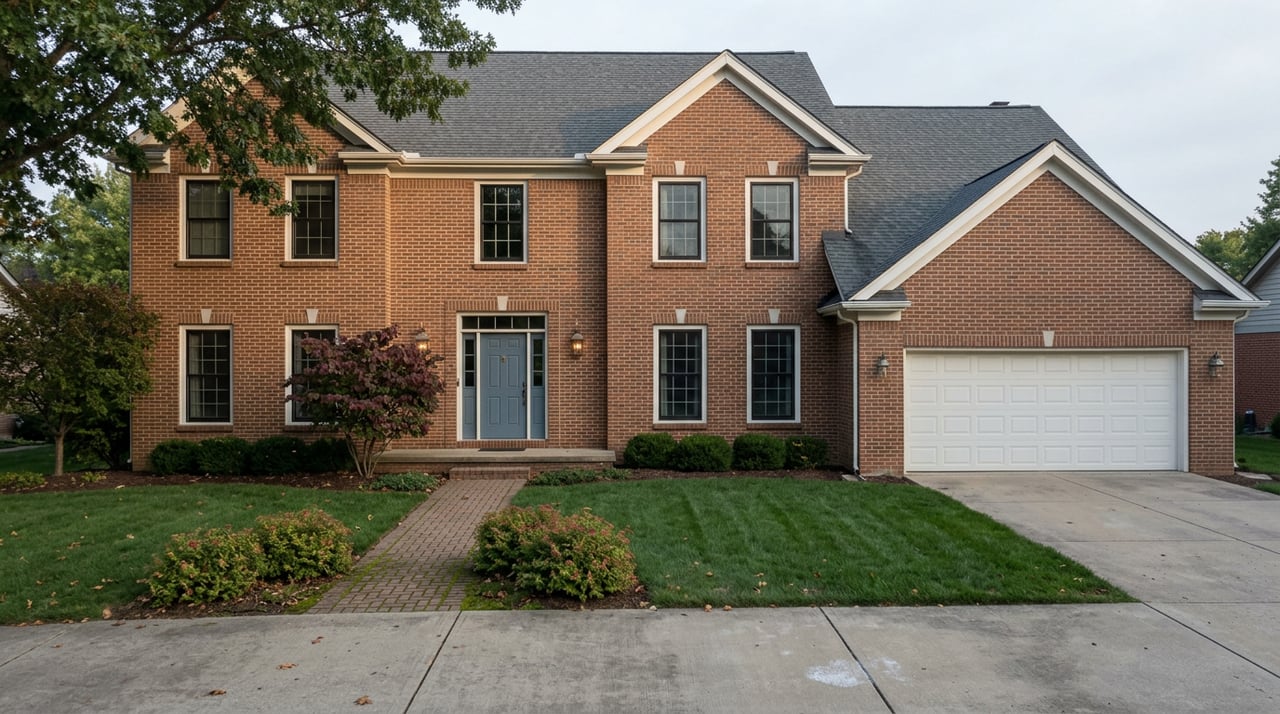
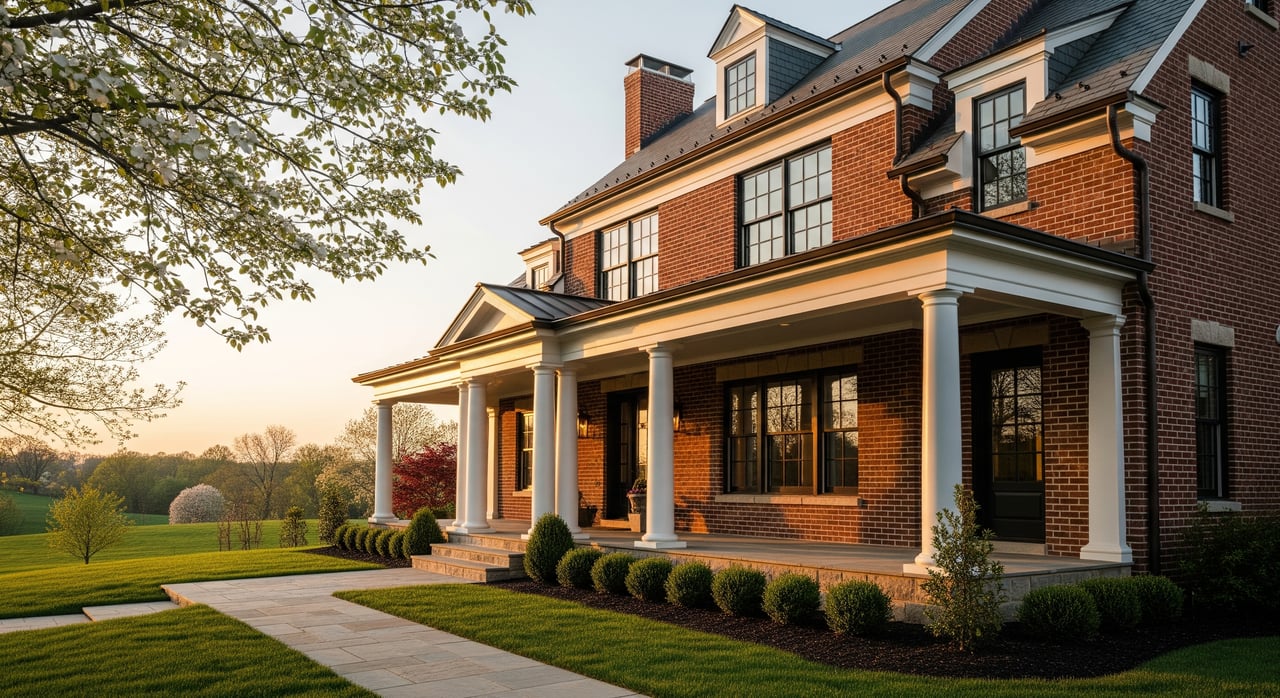
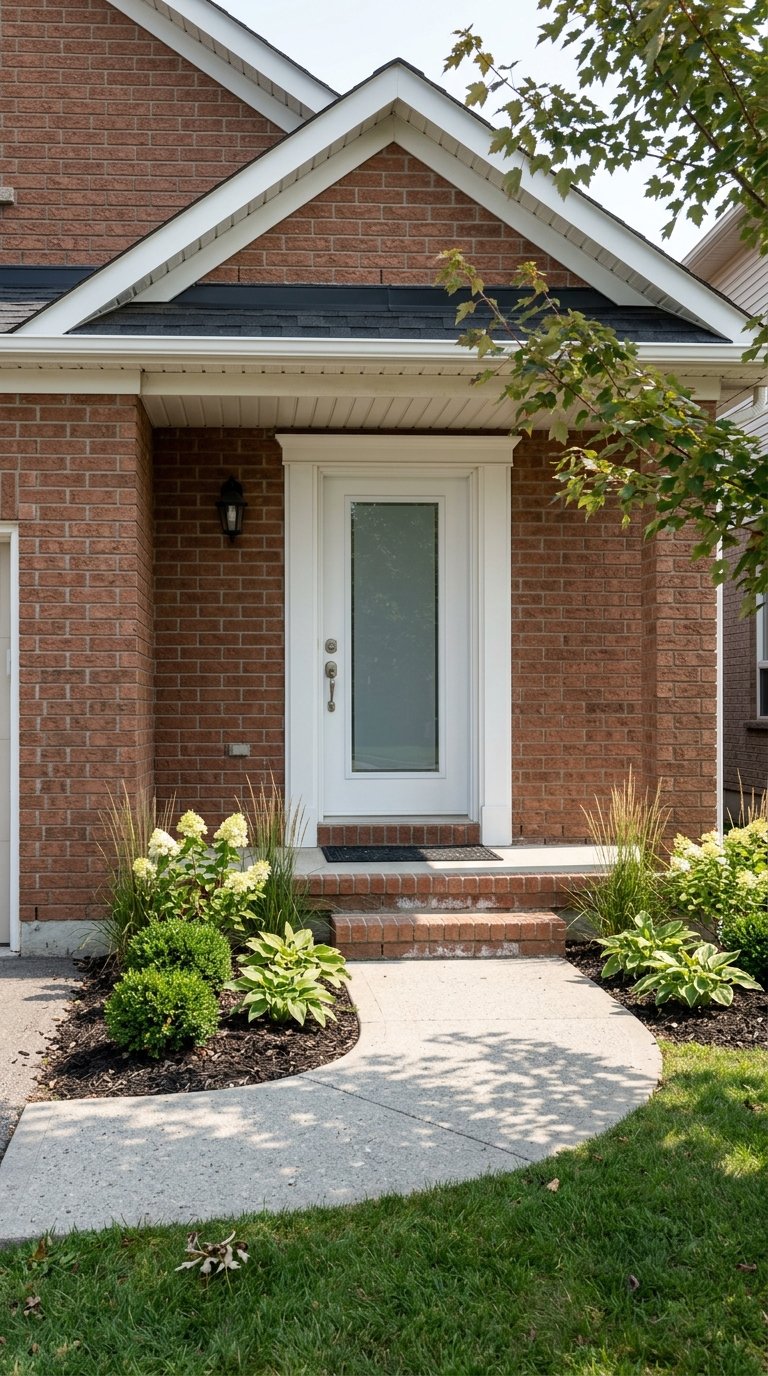
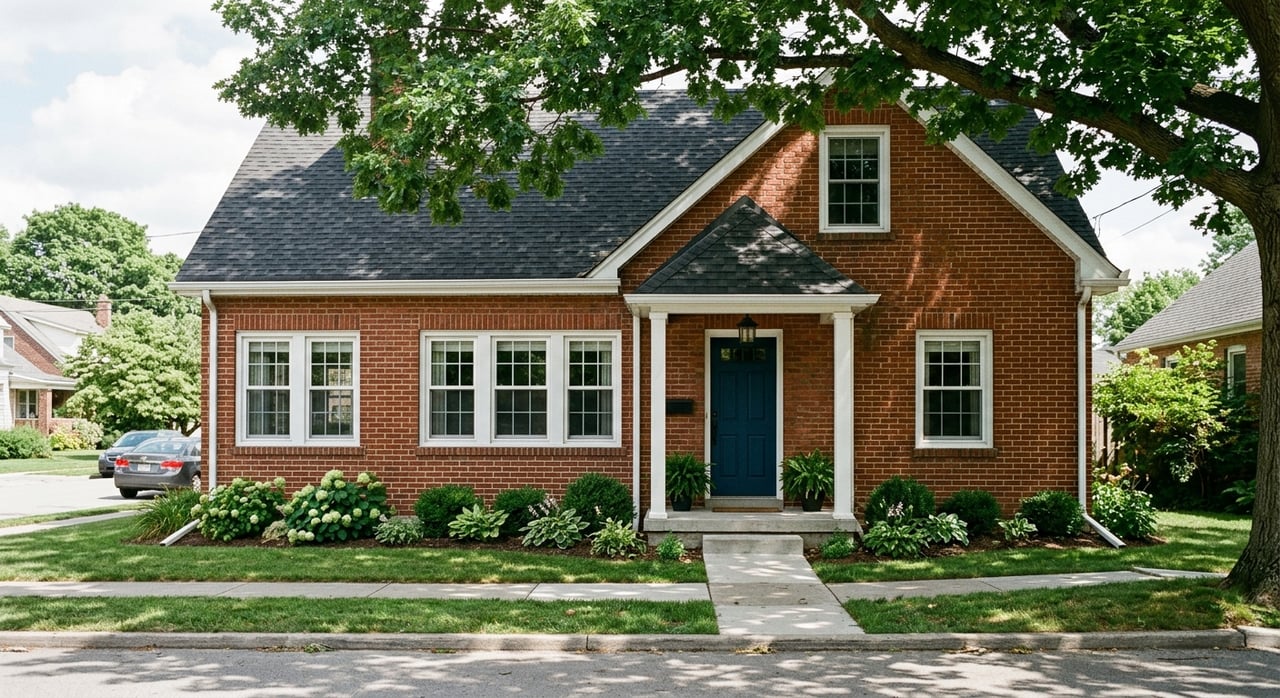
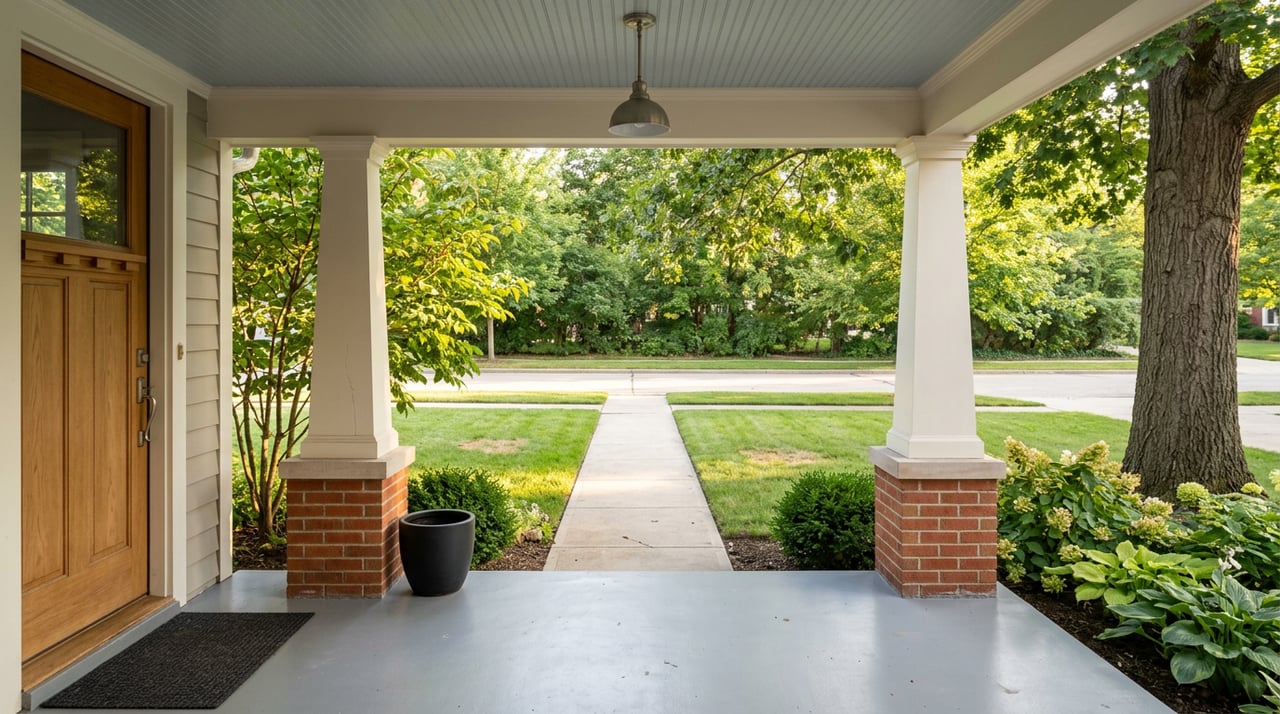
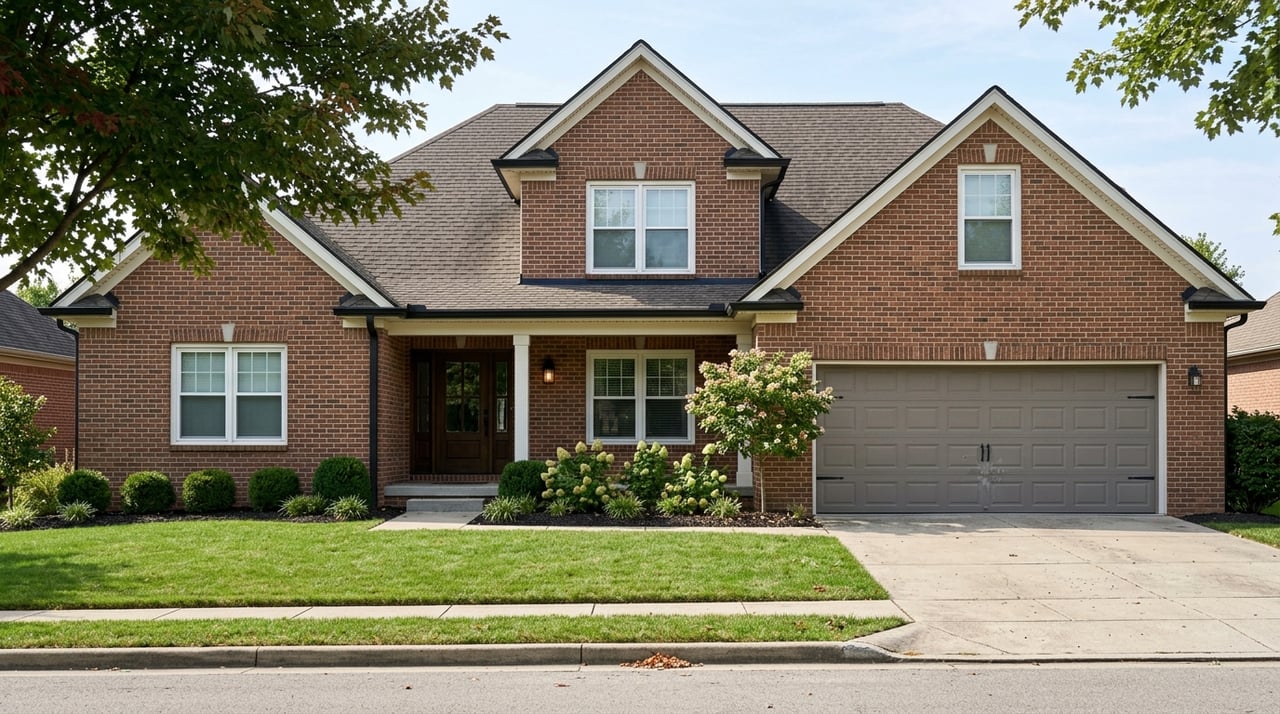
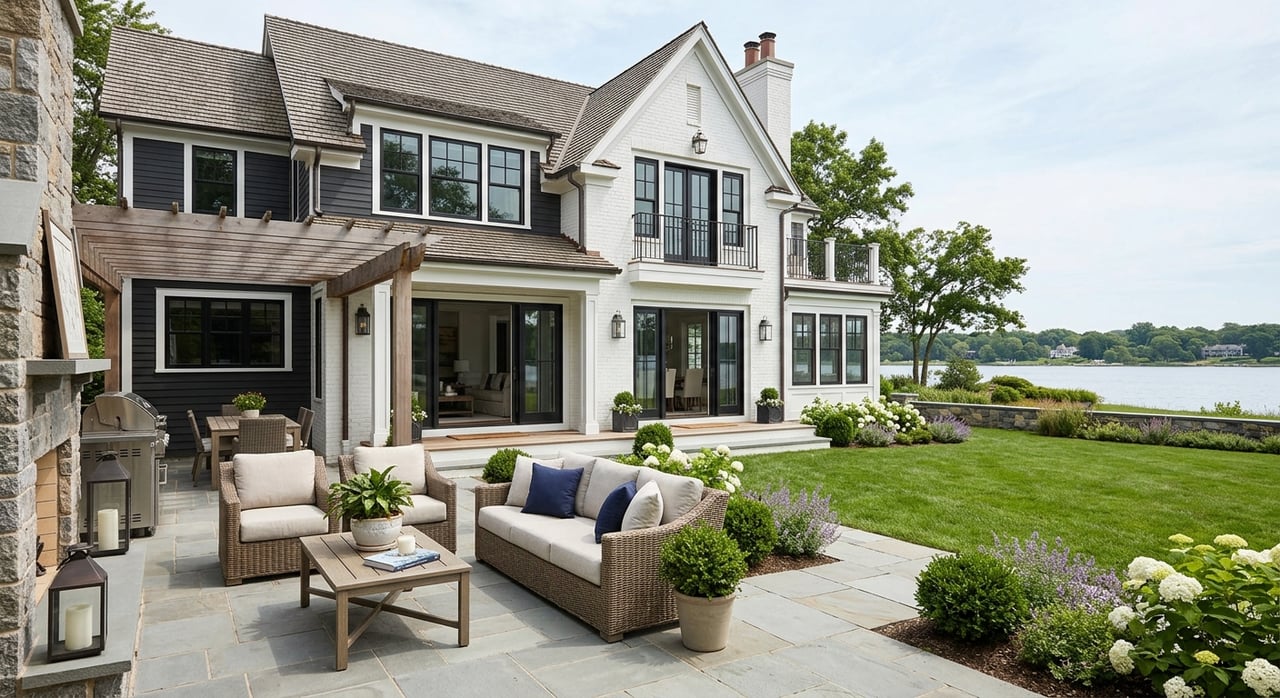
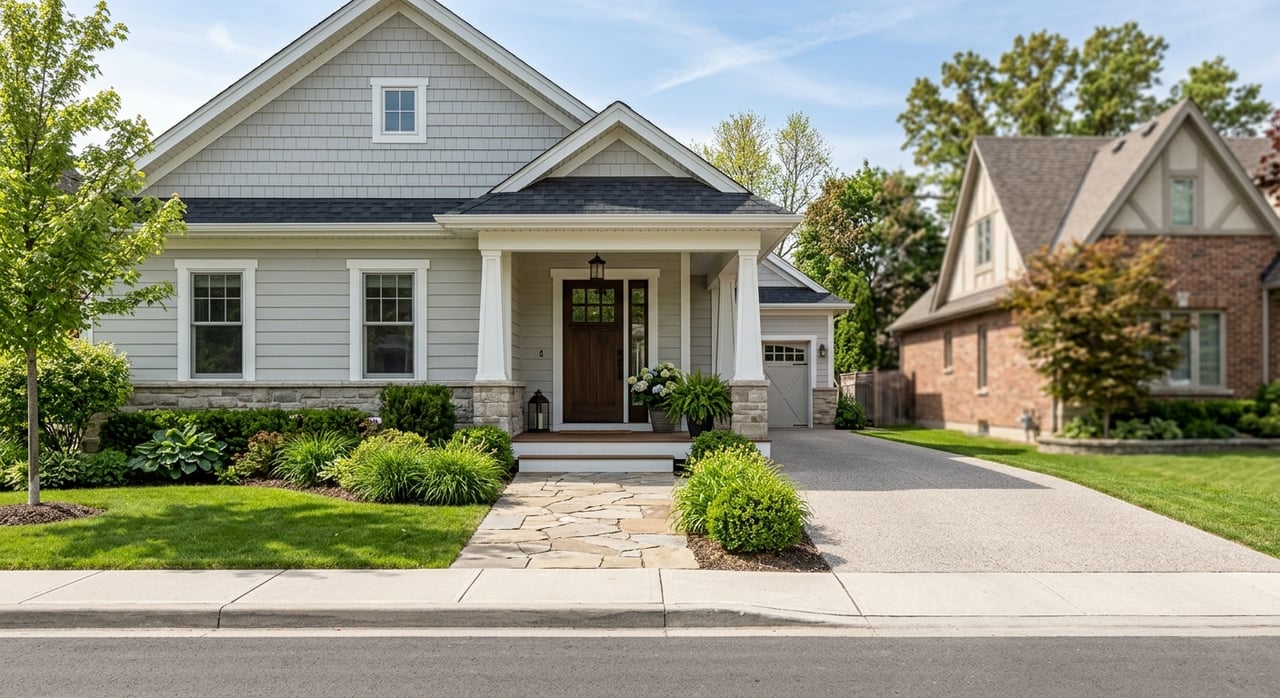
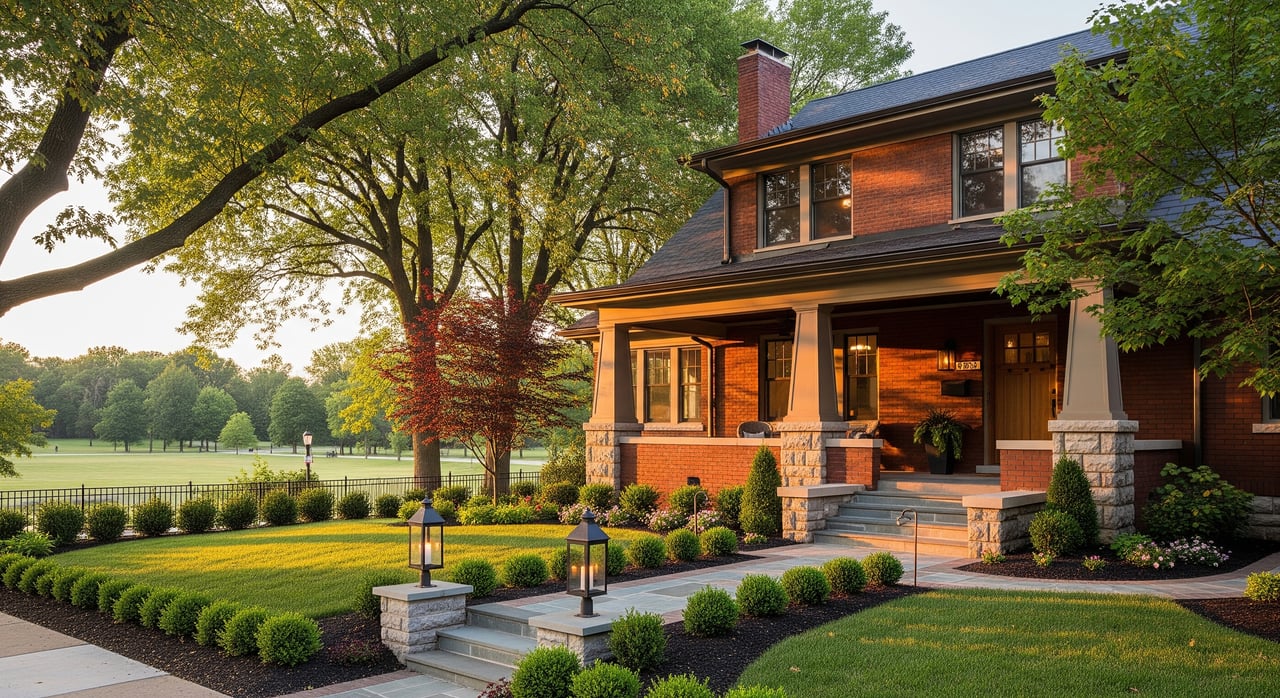
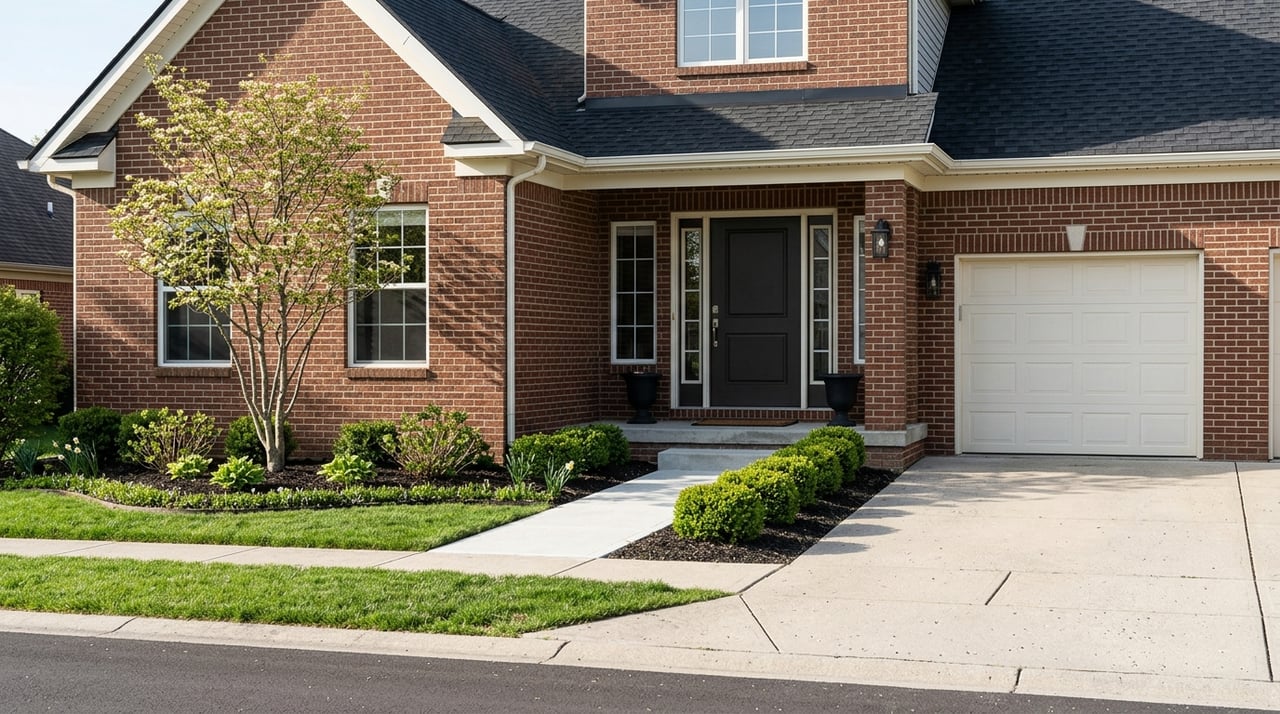
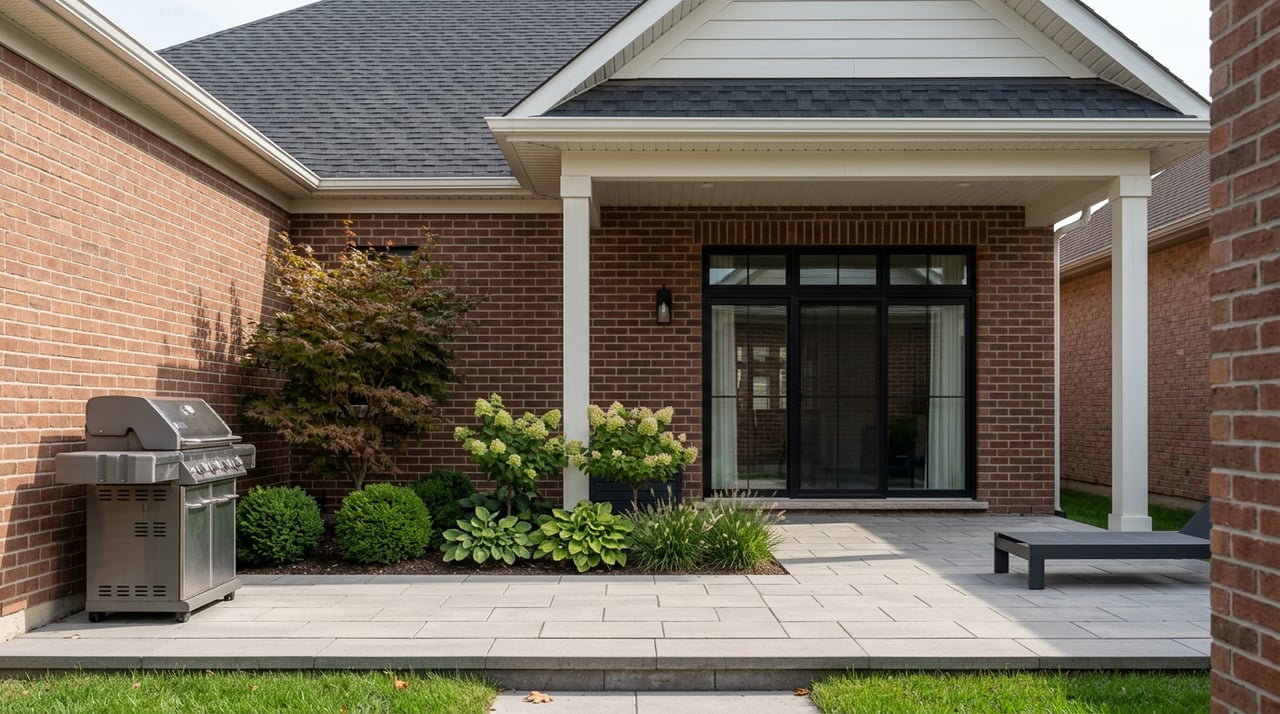
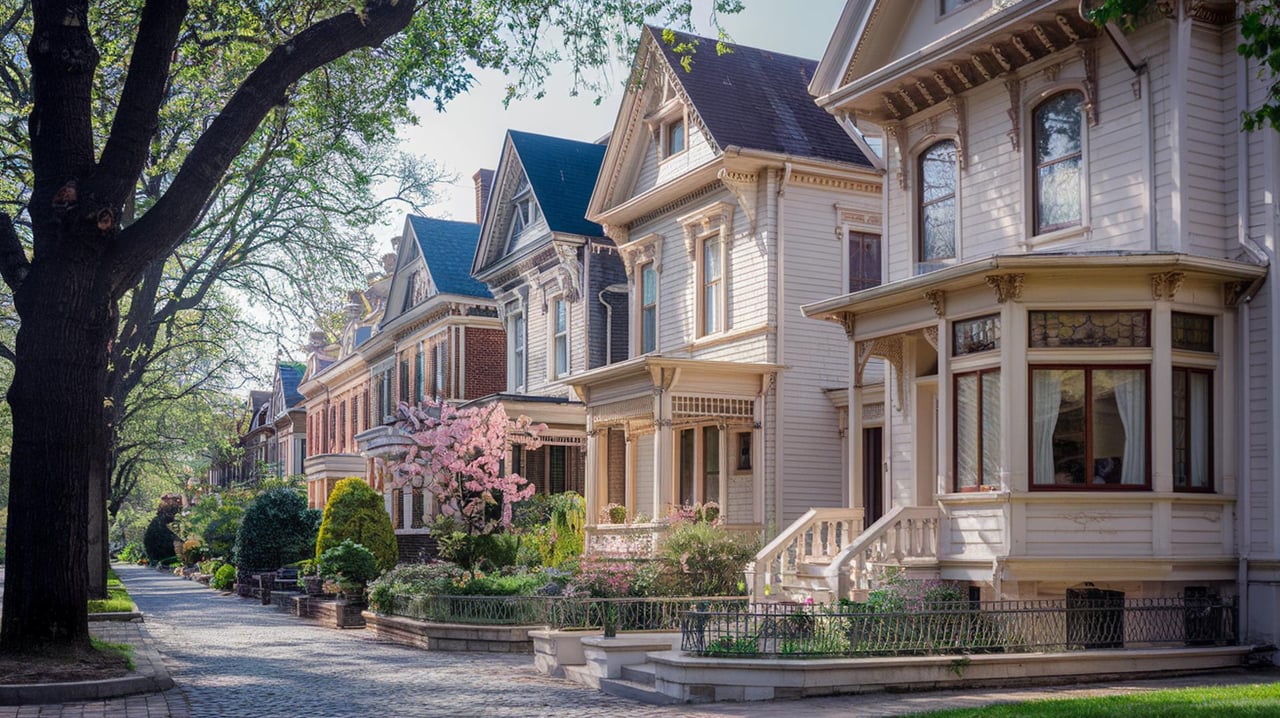
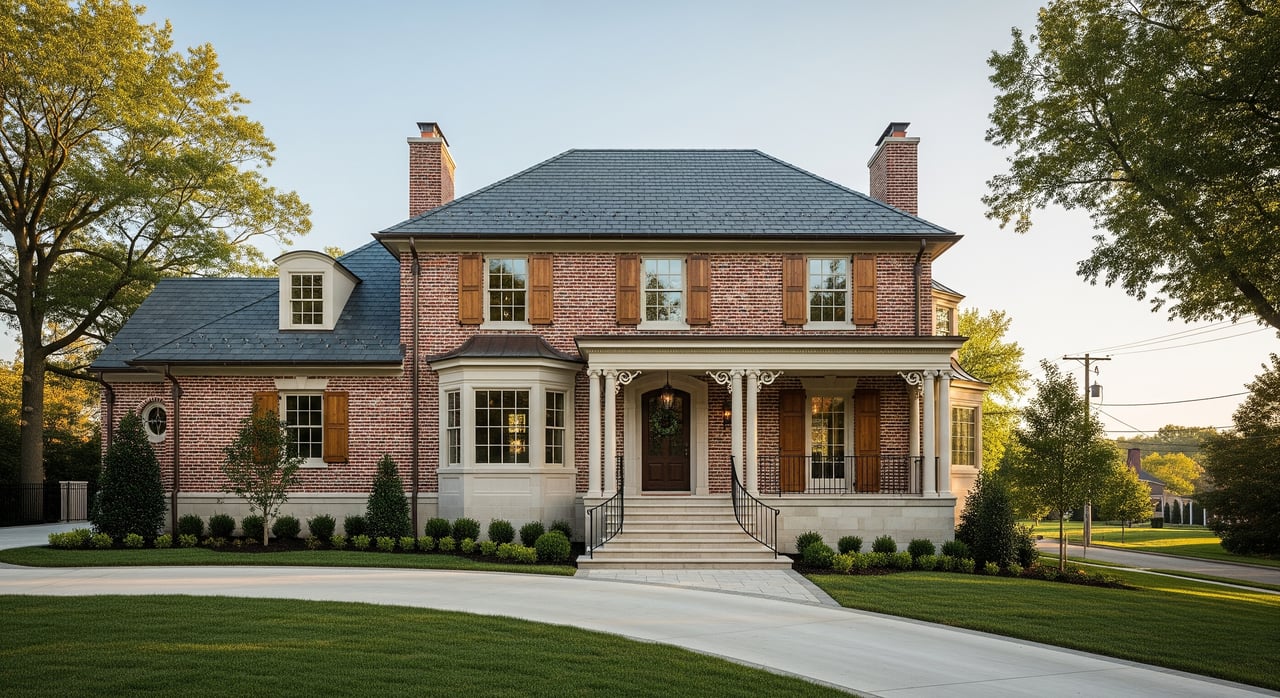
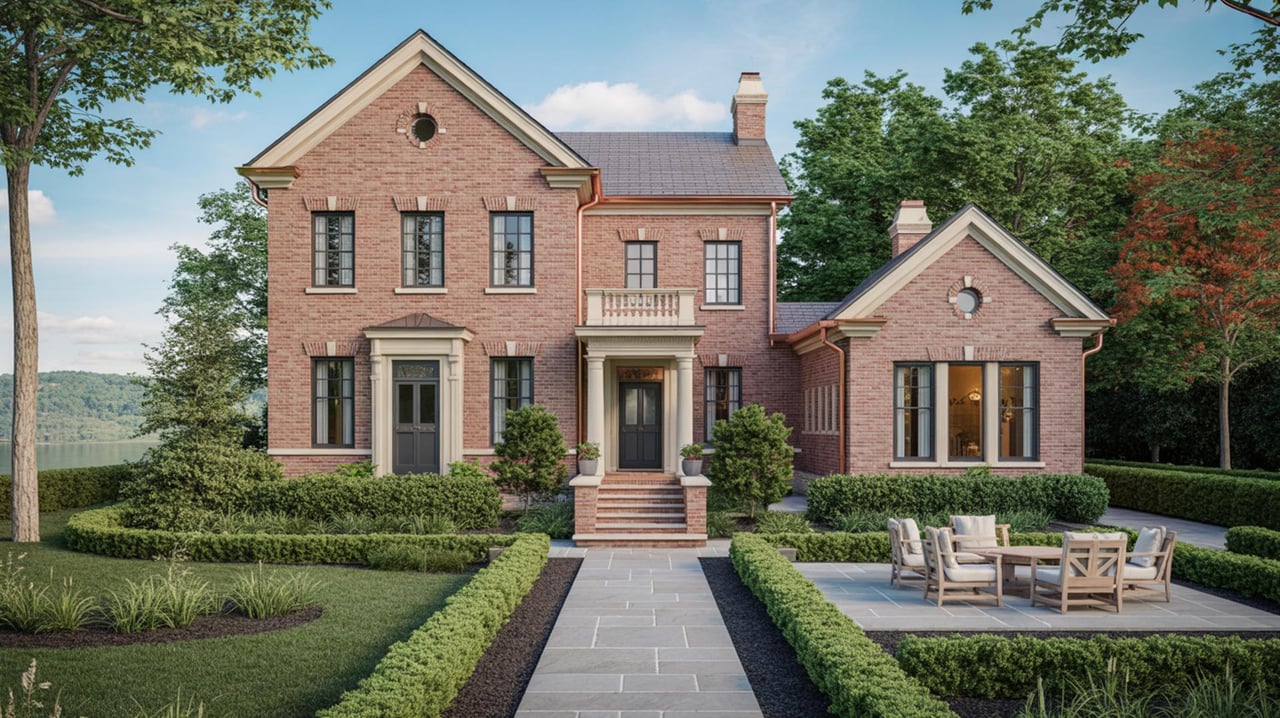
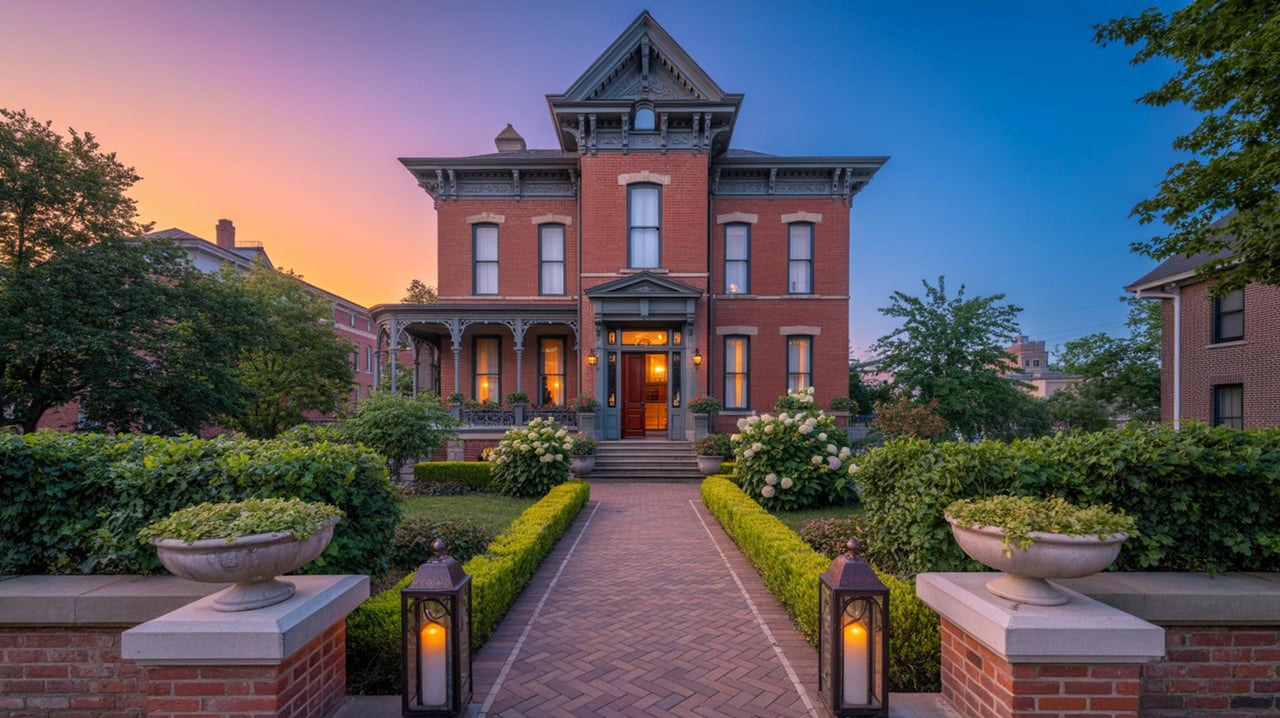
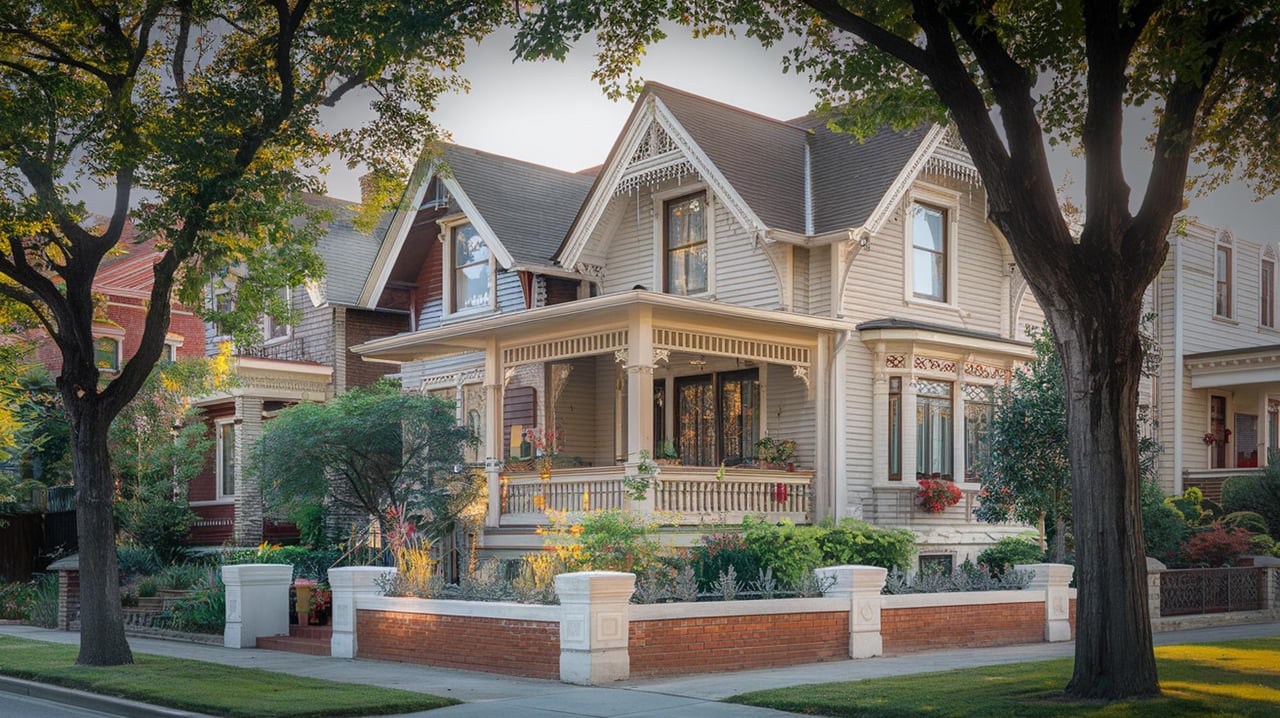
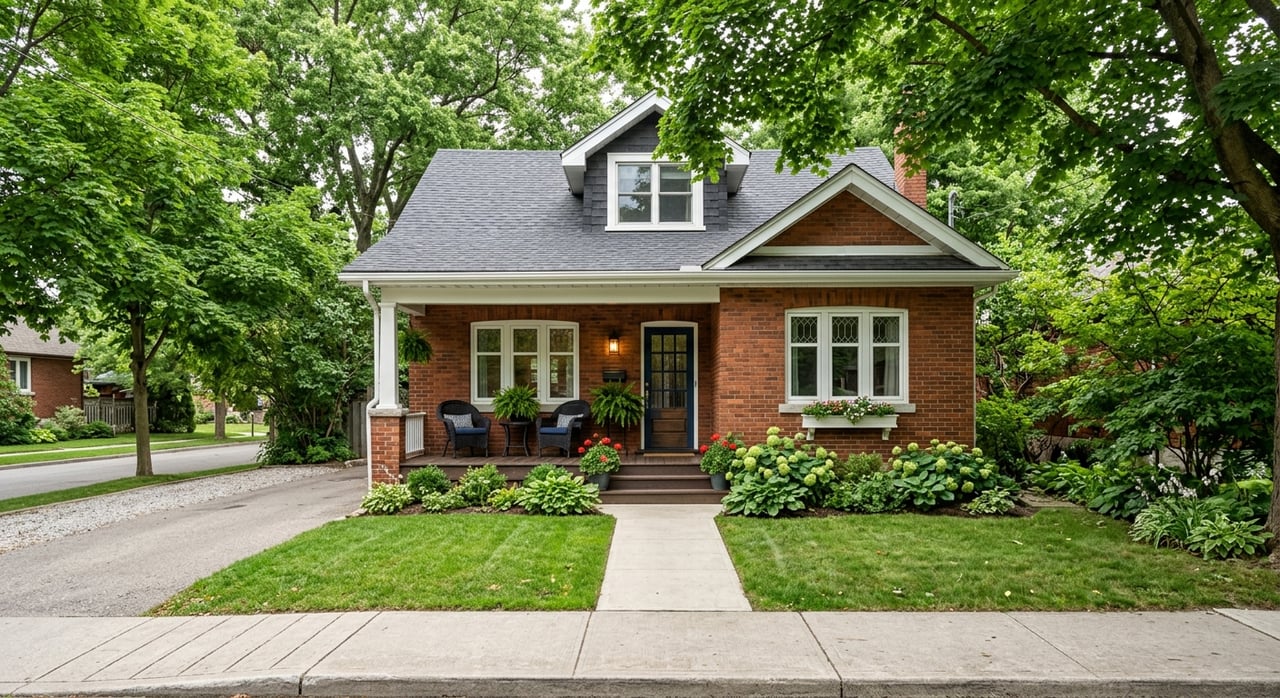
If you are home shopping near Iroquois Park, you will likely notice that the housing stock has more history and variety than many master-planned areas. Louisville Metro’s historic survey summary connects development in the area to streetcar expansion and the park itself. It also notes that some homes in the area are around 100 years old, with styles that include Craftsman and Tudor Revival.
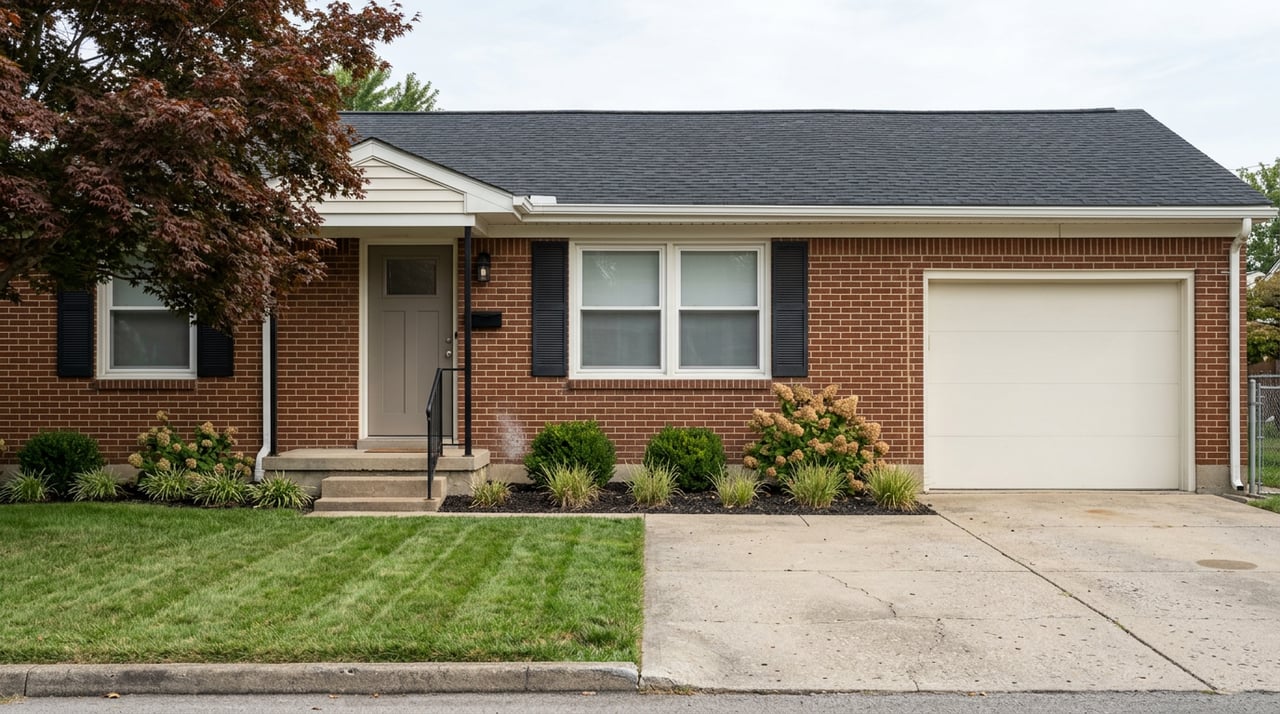
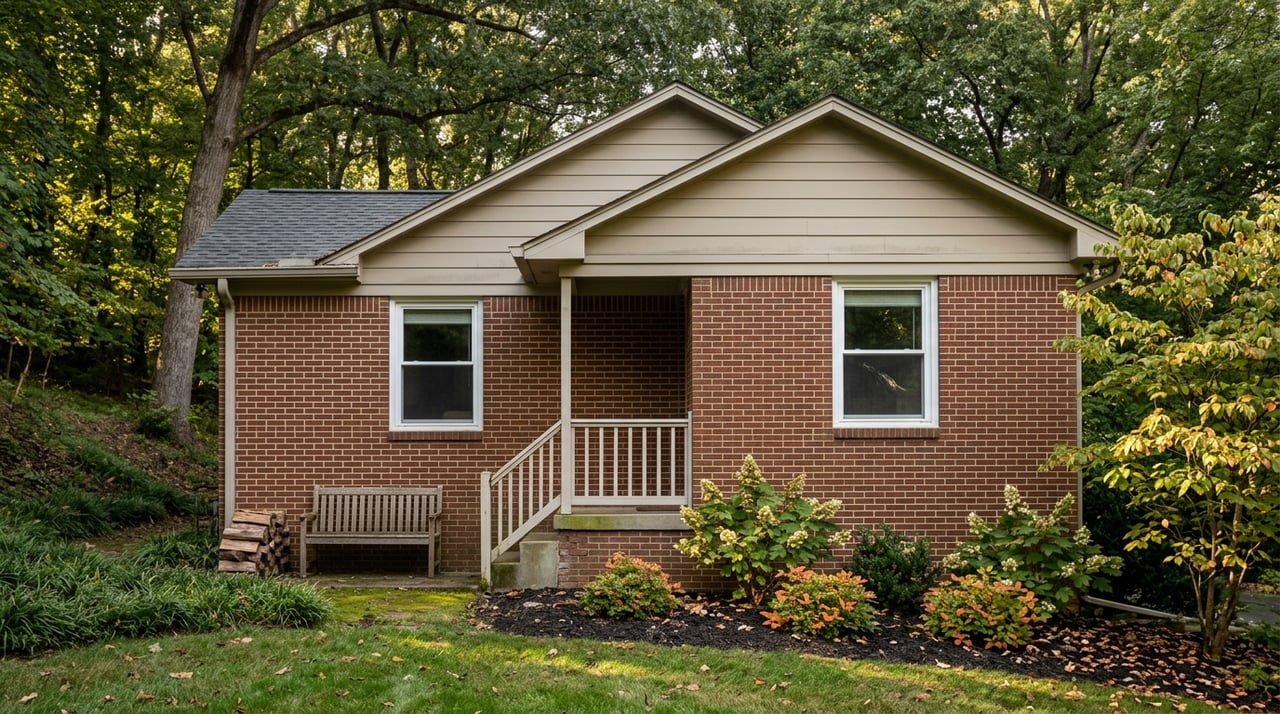
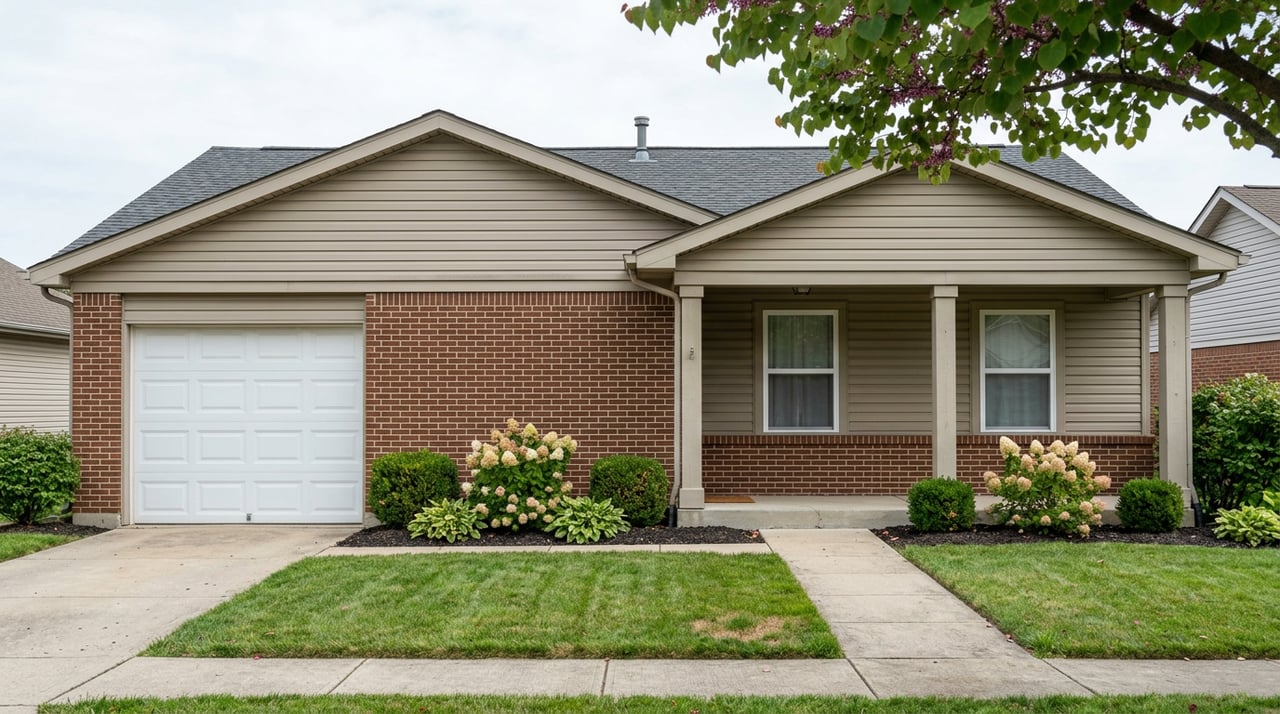
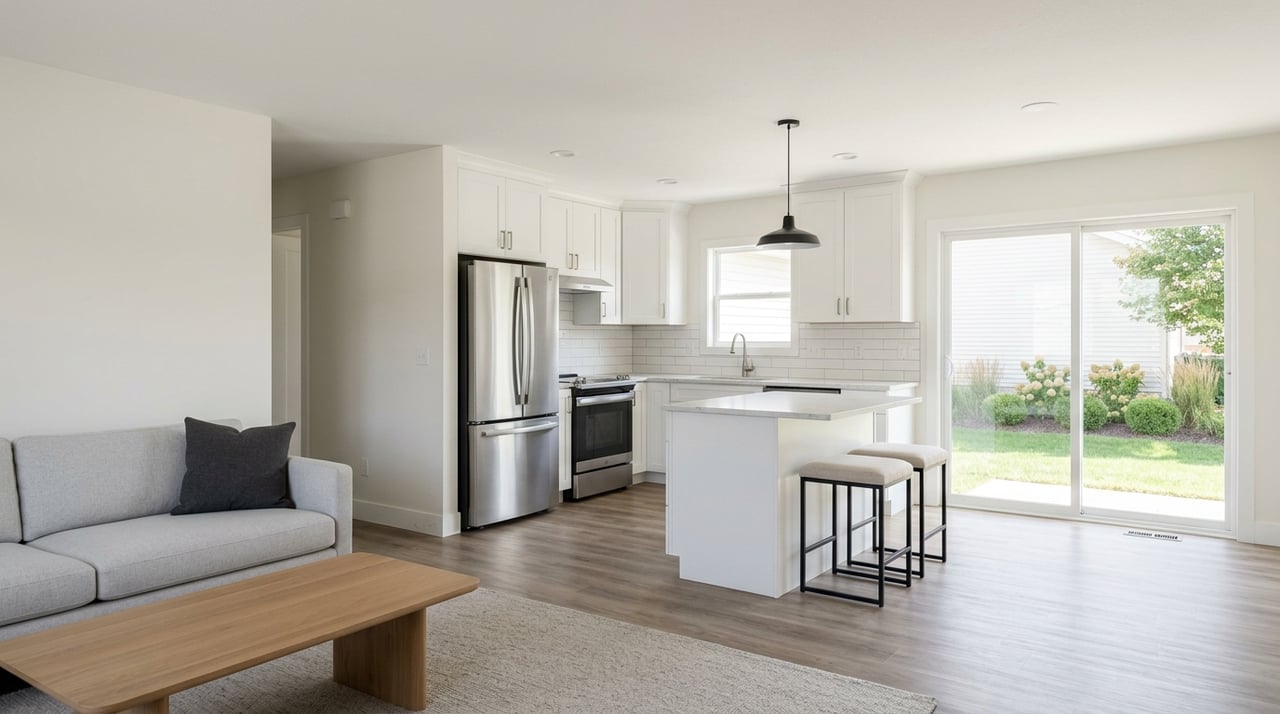
Other Louisville historic survey material identifies common South End housing types such as bungalow, ranch, Minimal Traditional, shotgun, cottage, and larger multifamily buildings. That variety matters because it can make one block feel different from the next. For buyers, it often means more options in layout, age, lot size, and architectural character.
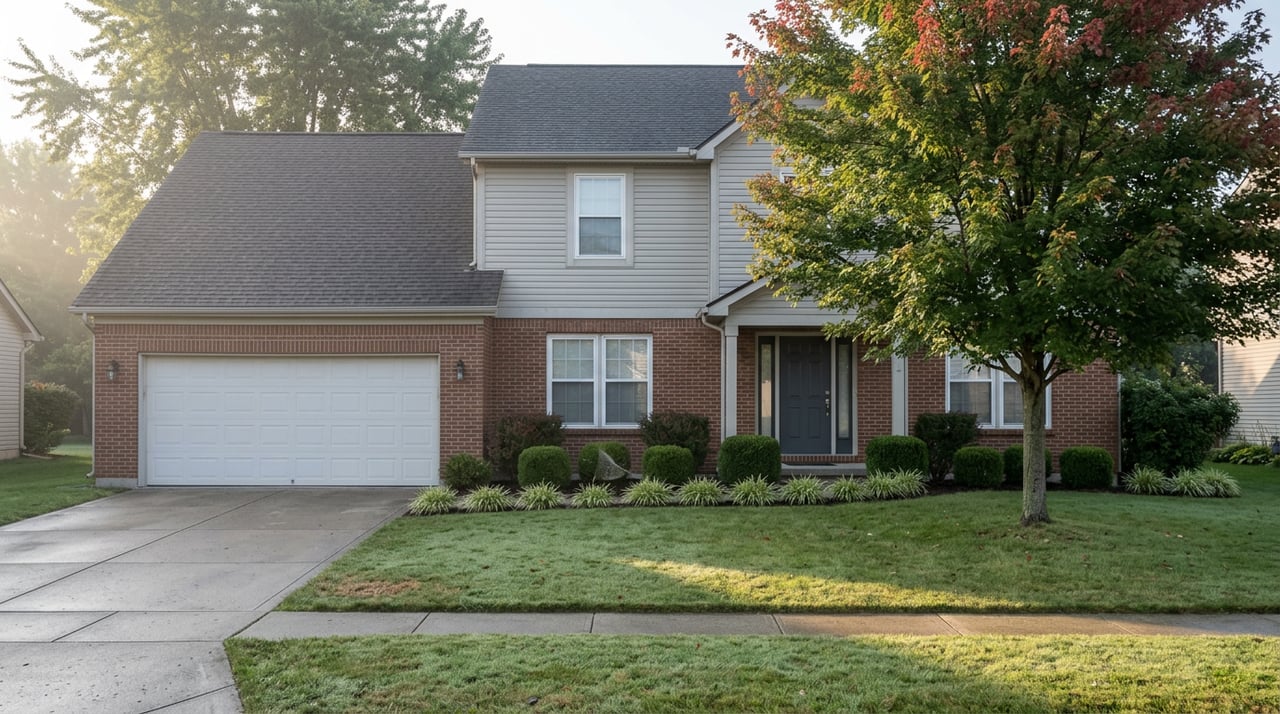
The area is still largely made up of detached homes. The 2024 Iroquois Park market area profile reports 22,900 housing units, with single-family detached homes making up the largest category at 14,127 units. It also shows a tenure mix of 57% owner-occupied and 43% renter-occupied.
What affordability looks like here
For many buyers and relocators, one of the biggest questions is whether this part of Louisville feels attainable. The 2024 Iroquois Park market area profile reports a median home value of $139,771, a median gross rent of $861, and a median household income of $48,684. The same profile notes these figures are below the Louisville medians shown in that report.
That does not mean every home will fit every budget, but it does suggest the area may offer a more approachable entry point than some other parts of the city. Combined with the large share of detached housing and easy access to a major park, that can be especially appealing if you want outdoor space and an established neighborhood setting.
Why buyers are drawn to the area
For buyers, the appeal often comes down to lifestyle and location. You get access to one of Louisville’s best-known parks, recurring community events, and a residential setting with a strong South Louisville identity. If you value being able to walk, explore local gathering spots, and live in an area with visible history, this part of the city can stand out.
The area can also appeal to first-time buyers and people relocating within Louisville who want a neighborhood that feels settled but not stagnant. Because the housing stock varies so much, it is helpful to compare homes block by block instead of assuming the entire area feels the same. A local, neighborhood-focused search can make a big difference here.
What sellers should understand
If you are selling near Iroquois Park, your home’s lifestyle story matters. Buyers may respond to the combination of green space, neighborhood institutions, nearby events, and the broader identity tied to South Louisville. Those features can help frame your property in a way that goes beyond bedroom count and square footage.
It also helps to understand that the area is both established and changing. Louisville Metro’s 2024 housing assessment says parts of Iroquois Park shifted from moderate to substantial vulnerability to displacement. That is an important reminder that this market is not frozen in time, and thoughtful pricing and marketing are important.
Established, but not standing still
One of the most accurate ways to describe living near Iroquois Park is to say the area feels rooted and in transition at the same time. You have historic neighborhood patterns, long-standing community institutions, and one of the city’s defining parks. At the same time, redevelopment activity and housing pressure show that the market continues to evolve.
For you, that can create both opportunity and the need for local insight. Buyers may find value in an area that still reads as more attainable than many city neighborhoods. Sellers may benefit from demand tied to park access, location, and a clear neighborhood identity.
Whether you are planning a move, comparing neighborhoods, or thinking about timing your sale, it helps to work with a team that knows South Louisville block by block. Gilbert Zaldivar and ZHomes Real Estate offer local guidance, practical support, and bilingual service to help you make a confident next move.
FAQs
What is daily life like near Iroquois Park in Louisville?
- Daily life near Iroquois Park often includes easy access to trails, scenic overlooks, playgrounds, golf, disc golf, pickleball, and community events, plus nearby gathering spots such as the amphitheater, community market, and local dining areas.
What types of homes are near Iroquois Park in Louisville?
- Homes near Iroquois Park include a mix of older and established housing types such as Craftsman, Tudor Revival, bungalow, ranch, Minimal Traditional, shotgun, cottage, and some multifamily buildings, with detached single-family homes making up the largest share.
Is the Iroquois Park area in Louisville affordable for buyers?
- The 2024 Iroquois Park market area profile shows median home value, median gross rent, and median household income below the Louisville medians listed in the same report, which suggests the area may feel more attainable than some other parts of the city.
What makes living near Iroquois Park different from other Louisville neighborhoods?
- A major difference is the park itself, which functions as a large, active public space with natural scenery, recreation, and entertainment, while the surrounding area also offers established streets, neighborhood organizations, and a strong South Louisville identity.
What should sellers highlight about homes near Iroquois Park in Louisville?
- Sellers should highlight practical lifestyle benefits such as park access, outdoor recreation, nearby events, community institutions, and the character of an established South Louisville neighborhood.