Are you looking for a rental property that feels more attainable without stepping too far from Louisville’s job base? Valley Station and nearby areas stand out for buyers who want practical entry prices, steady rental demand, and property types that often fit small-scale buy-and-hold plans. If you want to understand where the opportunity is, what numbers to watch, and where the risks can show up, this guide will help you sort through it. Let’s dive in.
Why Valley Station Gets Investor Attention
Valley Station sits within Louisville’s southwest rental landscape, where the broader metro economy stayed stable in 2024. HUD reported 717,700 nonfarm payroll jobs in the Louisville market, up 1.1% year over year, which matters because local employment helps support renter demand over time. For a landlord, that creates a more grounded backdrop than a market driven by hype alone.
This area also benefits from access to a major logistics and industrial corridor. Jefferson Riverport International serves manufacturing and distribution and connects to three interstate highways, five railroads, the Ohio River, and Louisville International Airport about eight miles away. That kind of transportation access can support ongoing housing demand from people who want to live within reach of work centers in southwest Louisville.
What the Rental Market Looks Like
Valley Station appears to be more value-oriented than luxury-focused. As of May 2026, Apartments.com reports average apartment rents of $1,093 for a one-bedroom, $1,163 for a two-bedroom, and $1,513 for a three-bedroom unit. Realtor.com places the neighborhood’s median rent around $1,600, with 44 rentals listed.
Home prices also suggest a market that may be more accessible for small-scale investors than some higher-priced parts of the metro. Redfin reported a March 2026 median sale price of $224,000 in Valley Station. Using Realtor.com’s median rent figure of $1,622, the rough gross yield screens near 8.7% before taxes, insurance, financing, vacancy, repairs, and management.
That number is only a starting point. It is not a cap rate, and it does not tell you how a specific property will perform. Still, it helps explain why Valley Station can attract investors who want to balance affordability with income potential.
Nearby Areas Show Similar Patterns
Pleasure Ridge Park is one nearby area worth watching alongside Valley Station. Realtor.com reports a median rent around $1,700 there, with 44 rentals available. That points to a similar mid-market rental environment rather than a high-end one.
The broader southwest Louisville housing mix also matters. Louisville Metro’s 2024 Housing Needs Assessment shows the Southwest Core at 52% renters, with a median gross rent of $785 and a median home value of $98,323. In Riverport, the profile shows 32% renters, a median gross rent of $1,039, and a median home value of $123,575.
Those figures help paint a practical picture. This is not a market built only around large apartment communities. Single-family homes, smaller multifamily buildings, and even some manufactured housing remain part of the local inventory mix.
Property Types With Potential
Single-family rentals
HUD’s market analysis offers an important clue for investors. While apartment vacancy has been somewhat elevated in parts of the market, HUD described the single-family rental segment in the broader suburban submarket as tight, with low vacancy and strong rent growth. For many small landlords, that makes detached homes worth a close look.
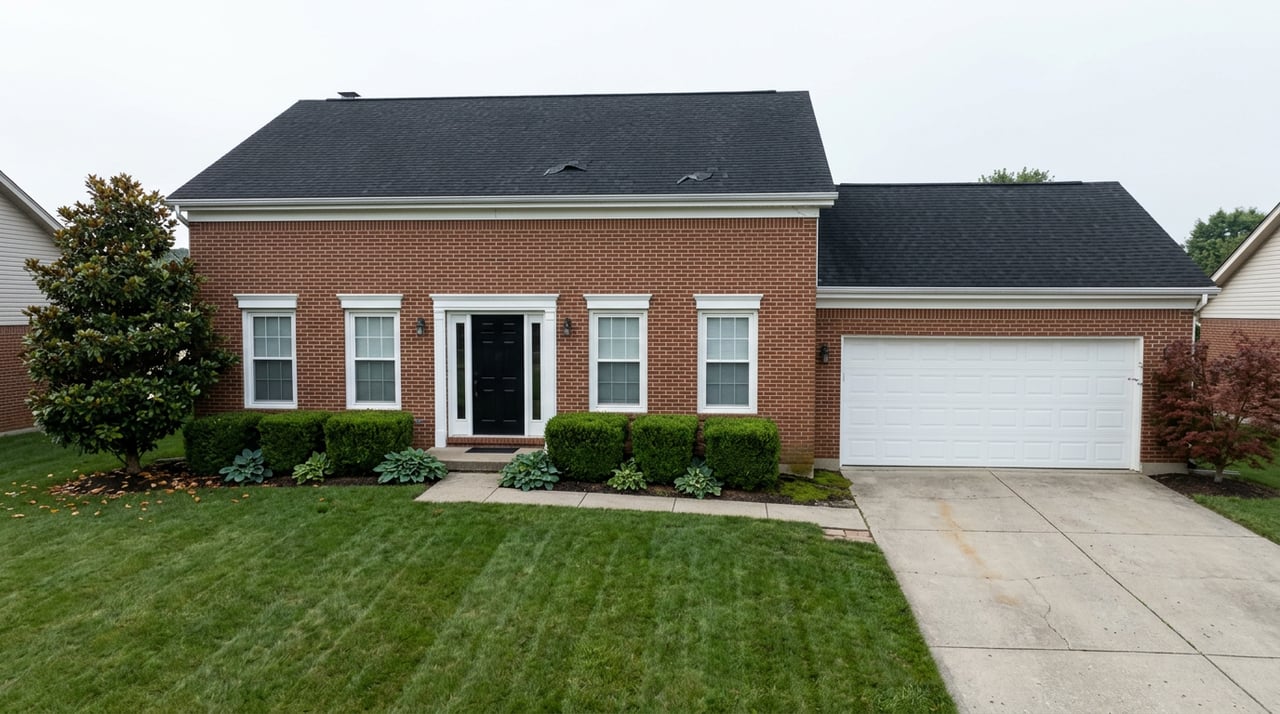
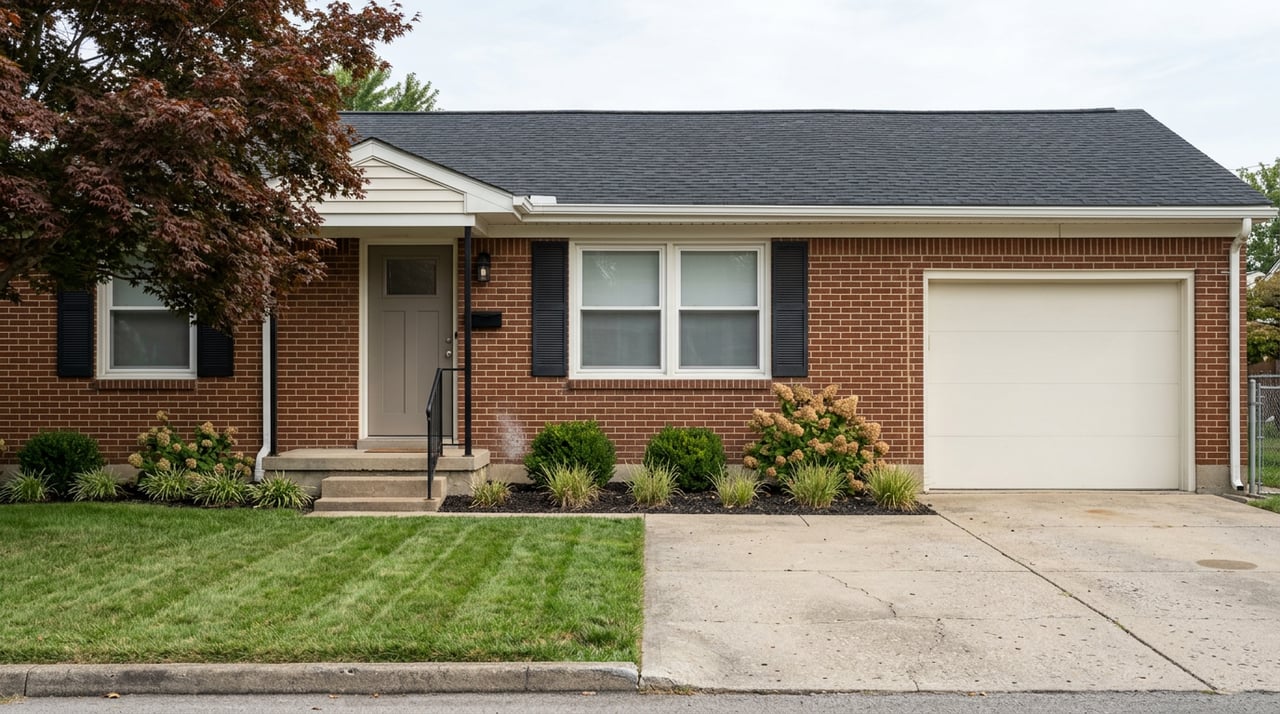
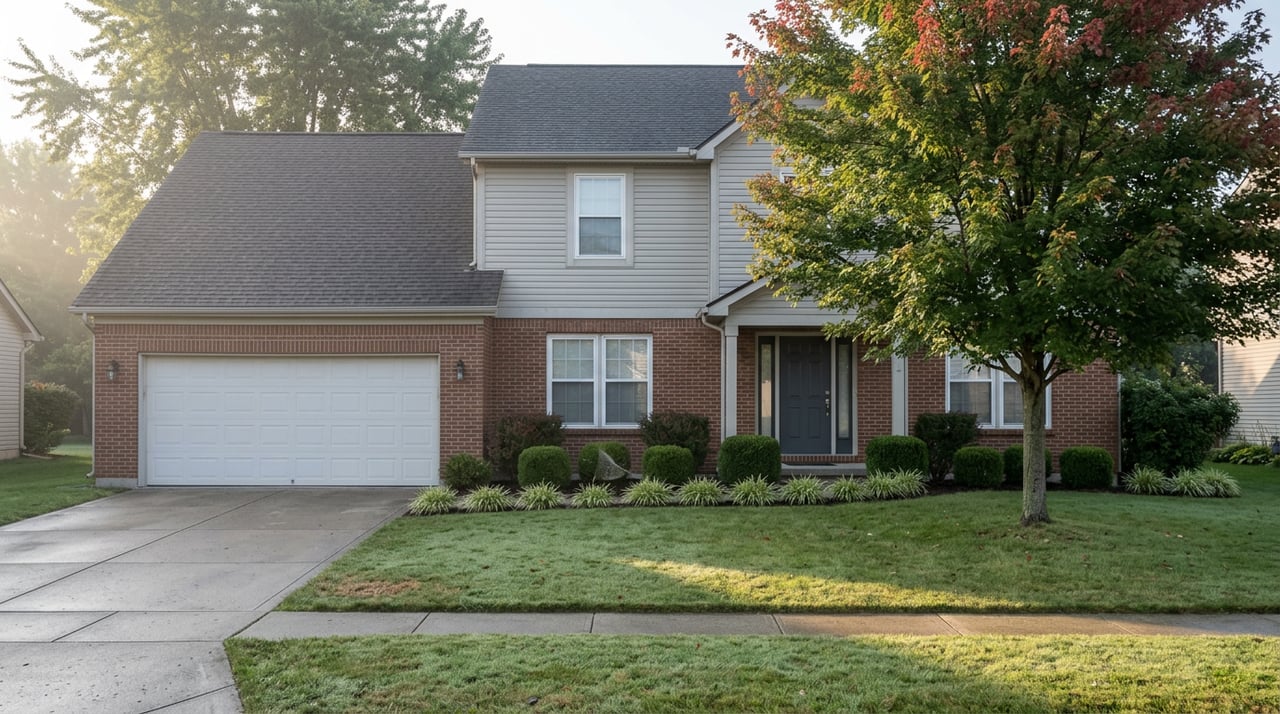
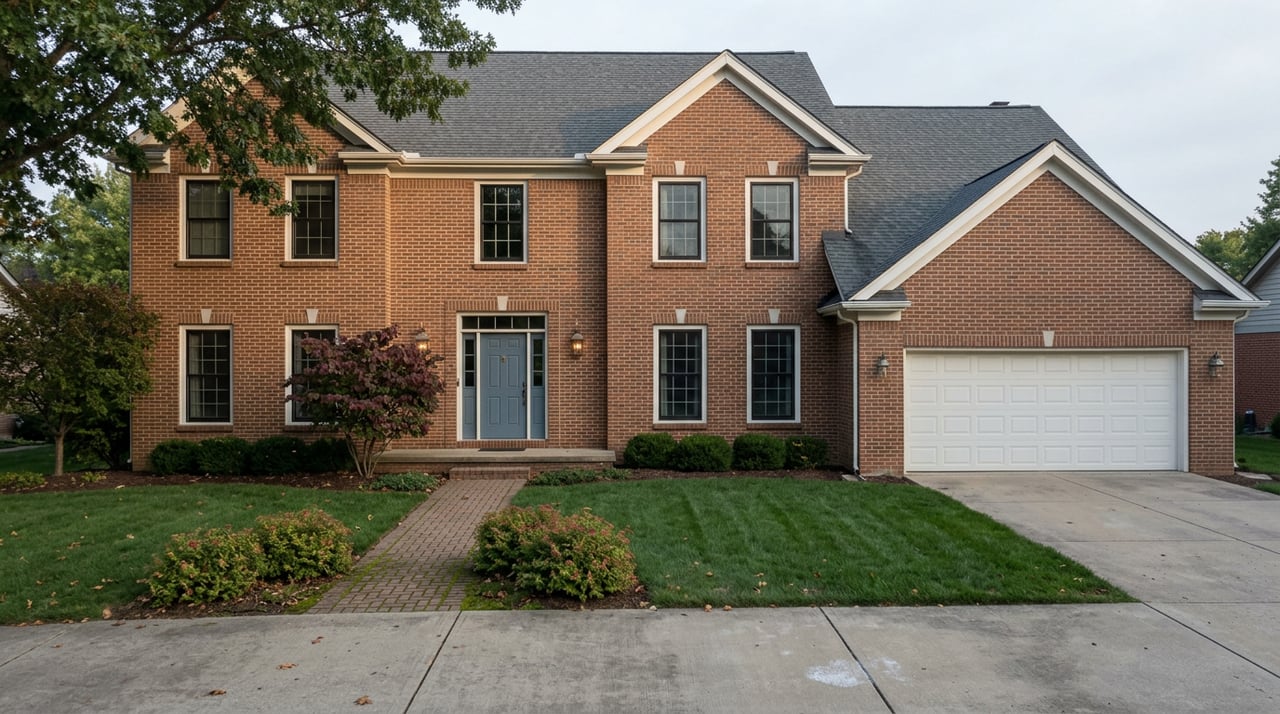
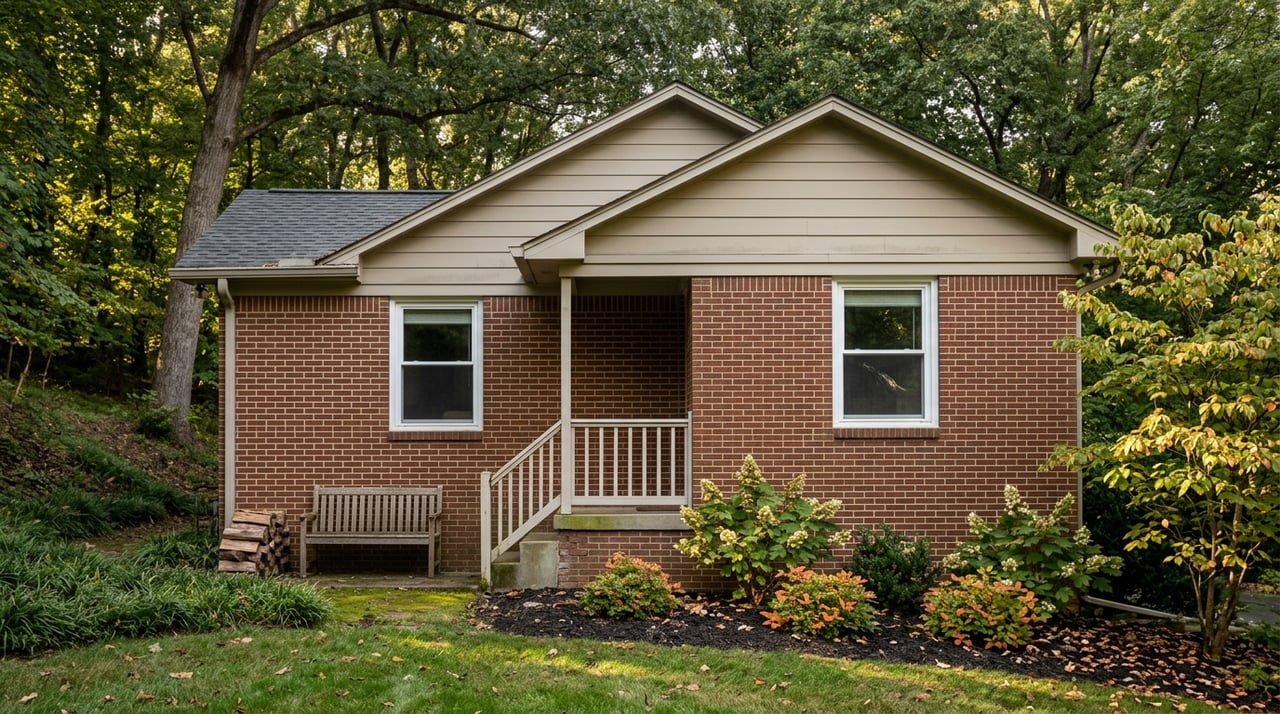
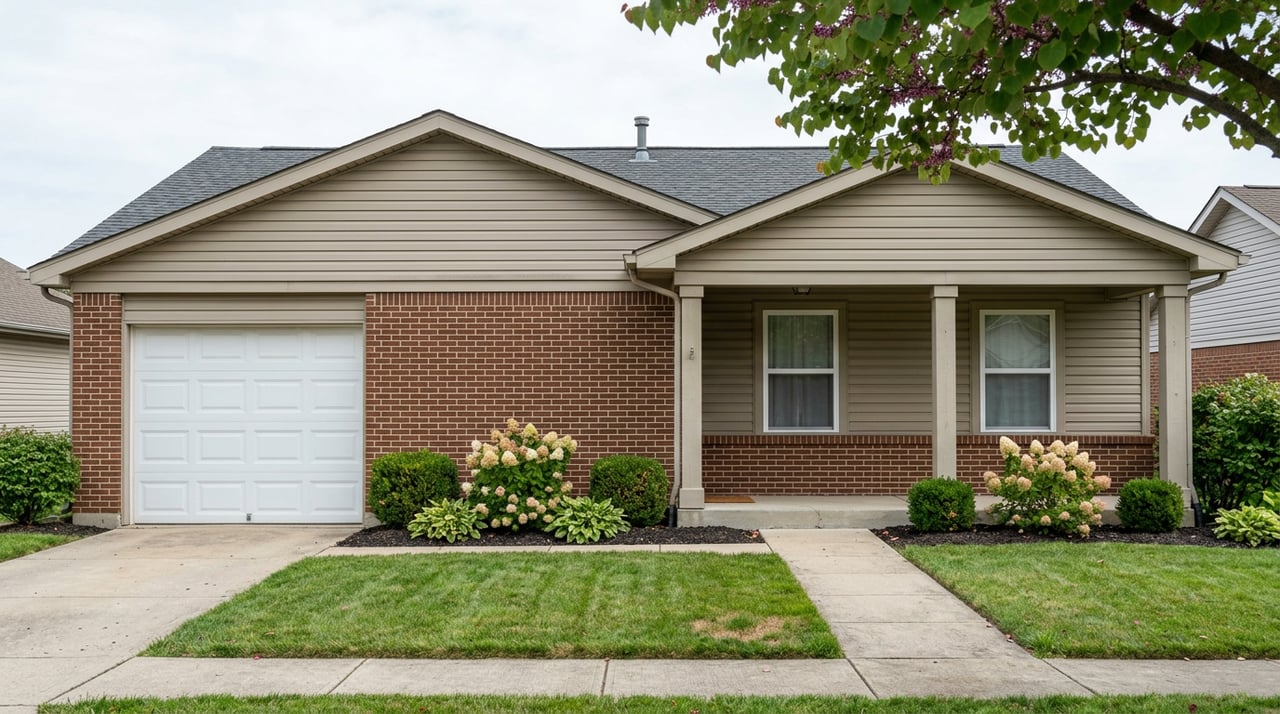
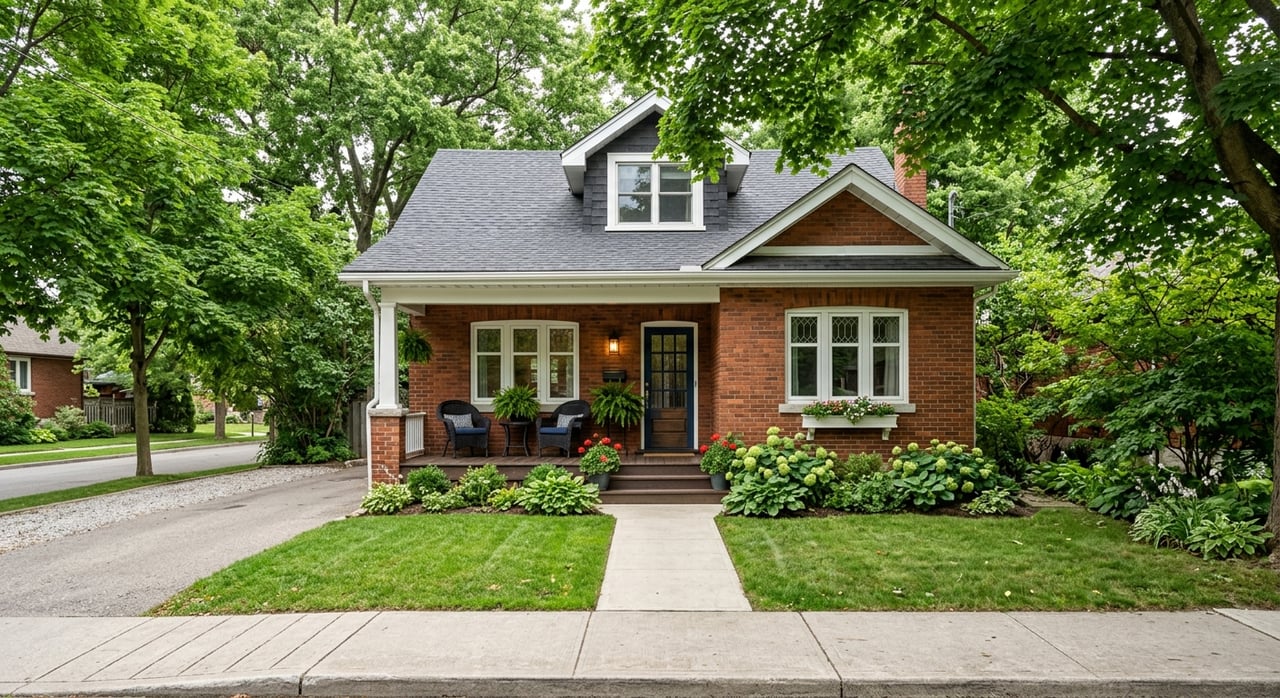
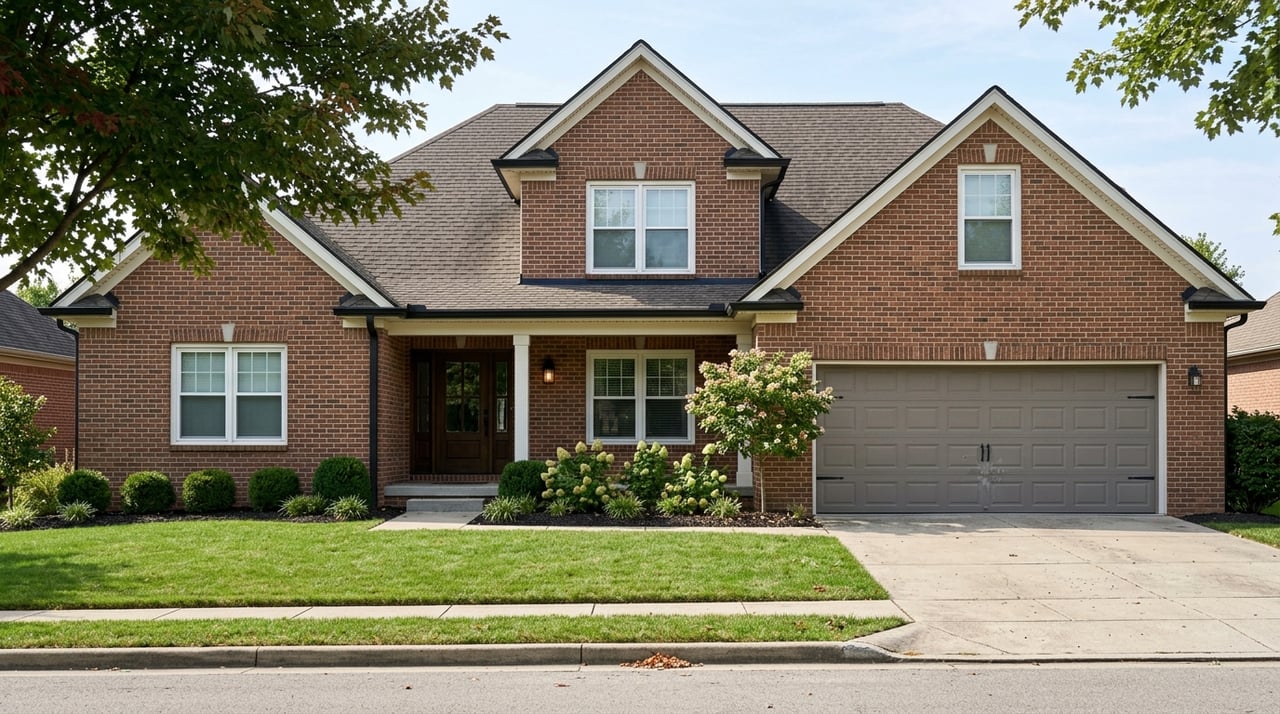
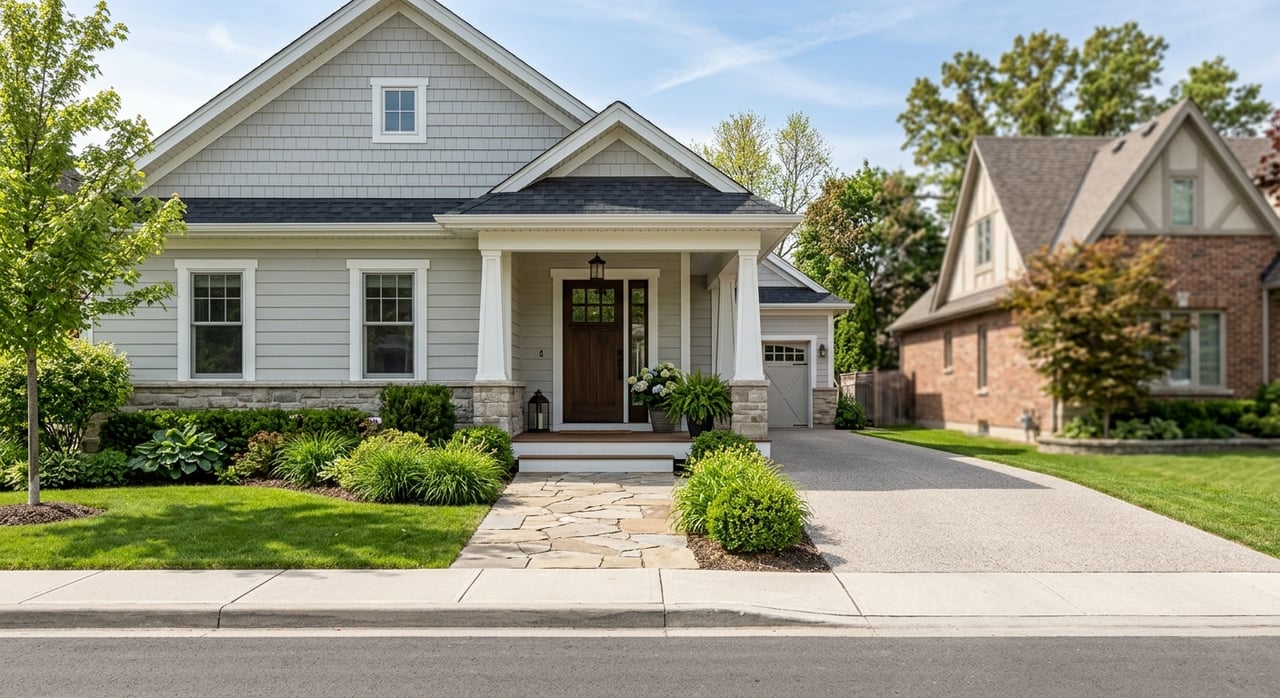
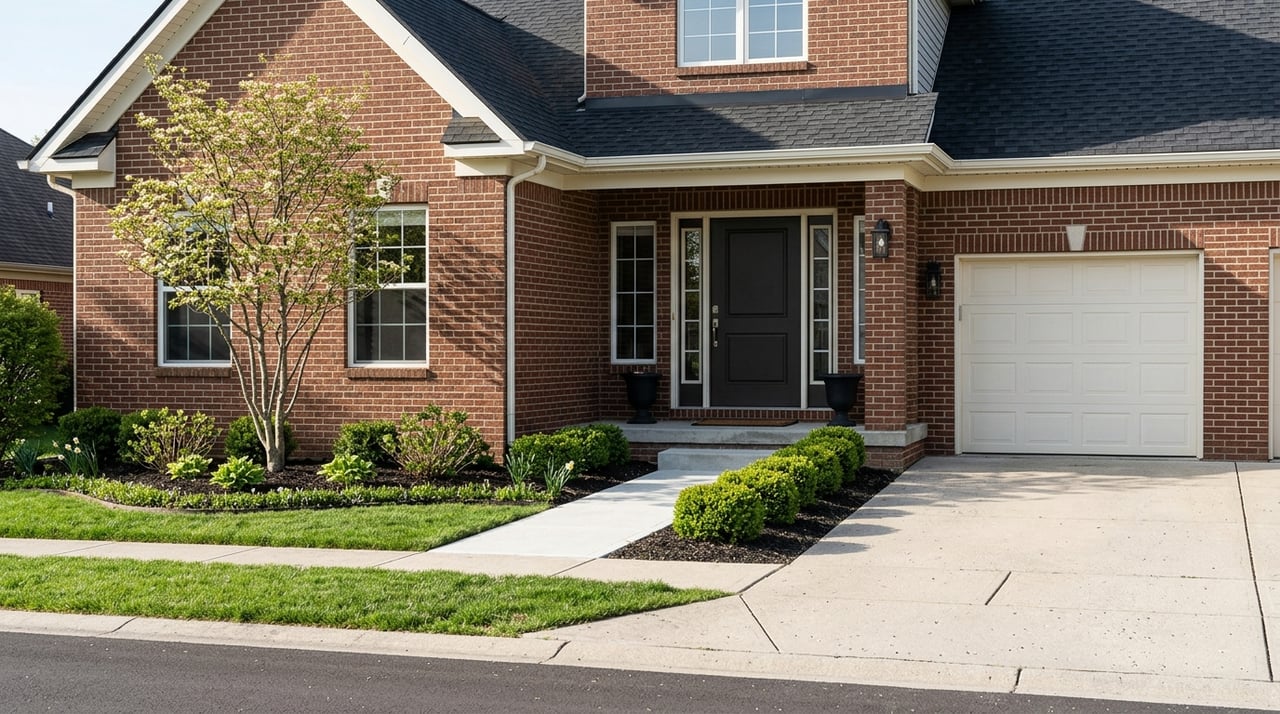
Single-family rentals can also line up well with Valley Station’s housing stock. The Riverport profile shows a market dominated by single-family detached homes, which supports the idea that houses remain a meaningful part of the rental inventory in this area. If you prefer straightforward leasing and a familiar property type, this segment may fit your strategy.
Small multifamily properties
Small plexes can still make sense here, especially if you want more than one income stream under one roof. The key is not to assume every unit will lease at the top of the market right away. Conservative rent estimates and healthy repair reserves matter.
Compared with larger apartment deals, a well-kept duplex or small multifamily property may offer more control over expenses and turnover. That can be appealing in a market where product type matters and vacancy is not uniform across the board.
Demand Drivers You Should Not Ignore
Affordability pressure is a major part of the story in Louisville. Louisville Metro’s 2024 Housing Needs Assessment says the city added nearly 18,400 housing units affordable to the lowest-income residents between 2016 and 2021, yet unmet need still rose to 36,160 units. More than a quarter of Louisville households remain cost burdened.
In Riverport, 62% of households spend more than 30% of income on housing. That tells you renters in this part of the market can be price sensitive. For an investor, that means your property may benefit from being clean, functional, and well-managed, but pushing rents too aggressively could hurt leasing performance.
HUD also estimated demand for 5,625 rental units across the Louisville housing market area over the next three years, with Jefferson County accounting for 69% of that demand. At the same time, 82% of those units were already under construction. That is a reminder to underwrite carefully and pay attention to local competition.
Vacancy Trends Matter by Product Type
One of the biggest mistakes investors make is treating all rentals the same. HUD reported a 7.0% current rental vacancy rate in the Louisville and Jefferson County submarket, down from 9.1% in 2020. Apartment vacancy was 7.5% in the fourth quarter of 2024, with average apartment rent at $1,213.
In the broader suburban submarket, the overall rental vacancy rate was 10.0%, and apartment vacancy reached 10.2%. Yet HUD also said the single-family rental market was tight. That split is important because it suggests houses and smaller properties may be easier to stabilize than commodity apartment units in some parts of the market.
That does not guarantee success for any one property. It does mean your strategy should match the local data. In Valley Station and nearby areas, product selection may matter just as much as purchase price.
How to Underwrite a Valley Station Rental
Before you buy, run your numbers with discipline. A property can look promising on a listing sheet and still underperform if you underestimate turnover, maintenance, or vacancy. In a value-driven market, solid underwriting protects you from overpaying.
Here is a practical checklist to use when reviewing rental property potential in Valley Station and nearby areas:
- Acquisition price
- Realistic market rent
- Vacancy allowance
- Repair and turnover reserve
- Capital expenditure reserve
- Insurance costs
- Financing costs
- Property management expense
If you start with realistic assumptions, you will make better decisions. That matters even more in a market where affordability supports demand, but renters may still be highly budget-conscious.
Local Rules Owners Need to Know
Louisville Metro requires long-term rentals to be registered. If you fail to register, fines can reach up to $100 per day per housing unit. For any investor planning to hold property in this area, that is not a detail to overlook.
Louisville Metro’s Chapter 156 Property Maintenance Code also applies to existing residential structures. Rental housing must be maintained in a safe, weather-tight, watertight, and rodent-controlled condition. The city also requires heat from October 1 to May 1.
There is another issue to watch with older homes. Long-term rental owners of homes built before 1940 are subject to the Lead-Safe Housing Registry, which began in December 2024. If you are comparing older properties, compliance costs and documentation should be part of your review from the start.
Why Management Can Make the Difference
In a market like Valley Station, the property itself is only part of the equation. Leasing, maintenance coordination, rent-ready prep, screening, and documentation all affect how smoothly your investment performs. Even a property with good location and price can become frustrating if operations are weak.
That is why many small investors benefit from professional support. A local team can help you evaluate realistic rent, spot potential maintenance issues, and plan for turnover between tenants. For landlords who want to build a portfolio without managing every detail alone, that can create real value.
Is Valley Station a Good Fit for You?
Valley Station may be a strong match if you want a mid-market rental area with attainable pricing, access to southwest Louisville job centers, and a housing mix that still includes houses and small buildings. The local data points to meaningful demand, especially for well-kept single-family rentals. That makes it appealing for buyers who want practical buy-and-hold opportunities rather than speculative plays.
The main caution is simple. You should not assume every property will lease quickly or achieve top-of-market rent. Apartment vacancy has been higher than the single-family segment, so conservative underwriting and realistic maintenance planning still matter.
If you want help sorting through Valley Station, Pleasure Ridge Park, or other South Louisville investment opportunities, working with a local brokerage can save you time and help you focus on properties that fit your numbers and goals. When you are ready to talk through rental strategy, neighborhood trends, or property management support, connect with Gilbert Zaldivar.
FAQs
What makes Valley Station appealing for rental property investors?
- Valley Station offers a relatively attainable median sale price, mid-market rents, access to southwest Louisville job centers, and a housing mix that includes single-family homes and smaller rental properties.
How much rent can a Valley Station rental property bring in?
- Current reports show Valley Station apartment averages around $1,093 for one-bedroom units, $1,163 for two-bedroom units, and $1,513 for three-bedroom units, while Realtor.com places the area’s median rent around $1,622.
Are single-family rentals stronger than apartments near Valley Station?
- HUD data suggests the single-family rental segment has been tighter, with lower vacancy and stronger rent growth than the apartment segment in the broader suburban market.
What should you include when underwriting a Valley Station rental?
- You should review purchase price, market rent, vacancy, repairs, turnover, capital reserves, insurance, financing, and property management costs before making an offer.
Does Louisville require rental property registration?
- Yes. Louisville Metro requires long-term rentals to be registered, and failure to register can lead to fines of up to $100 per day per housing unit.
Are older rental homes near Valley Station subject to extra rules?
- Yes. Long-term rental owners of homes built before 1940 are subject to Louisville Metro’s Lead-Safe Housing Registry, which began in December 2024.