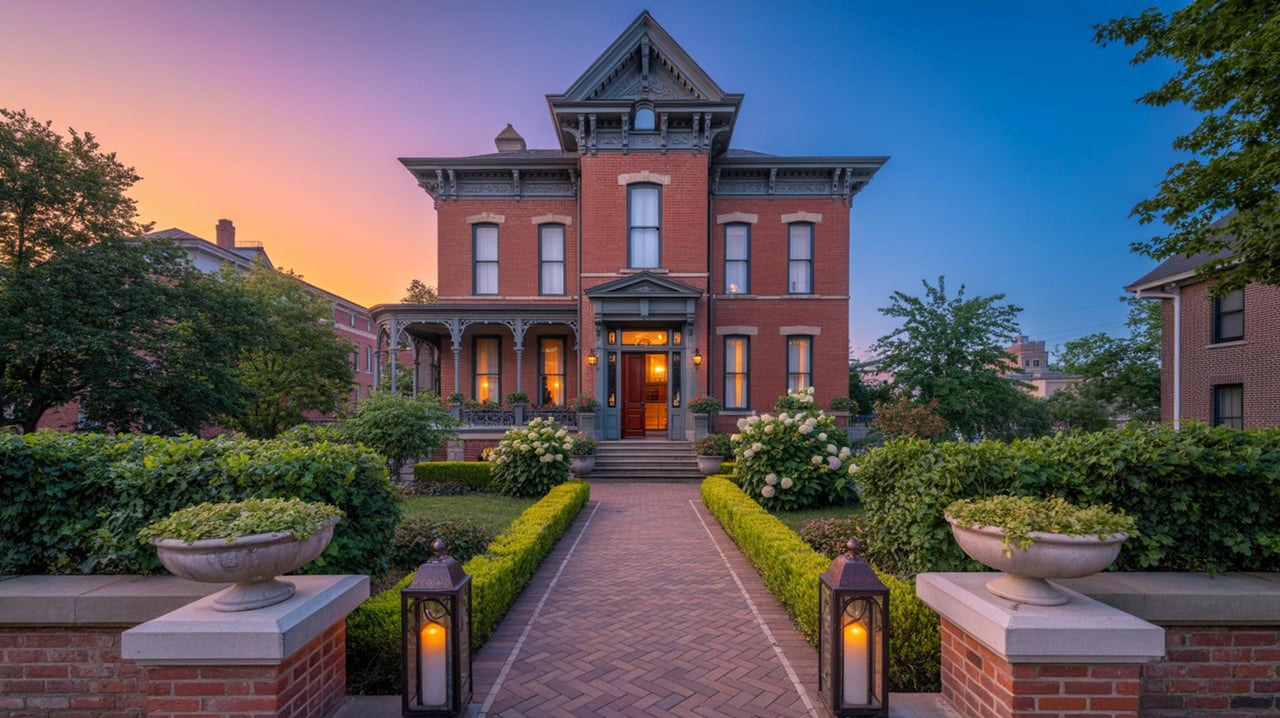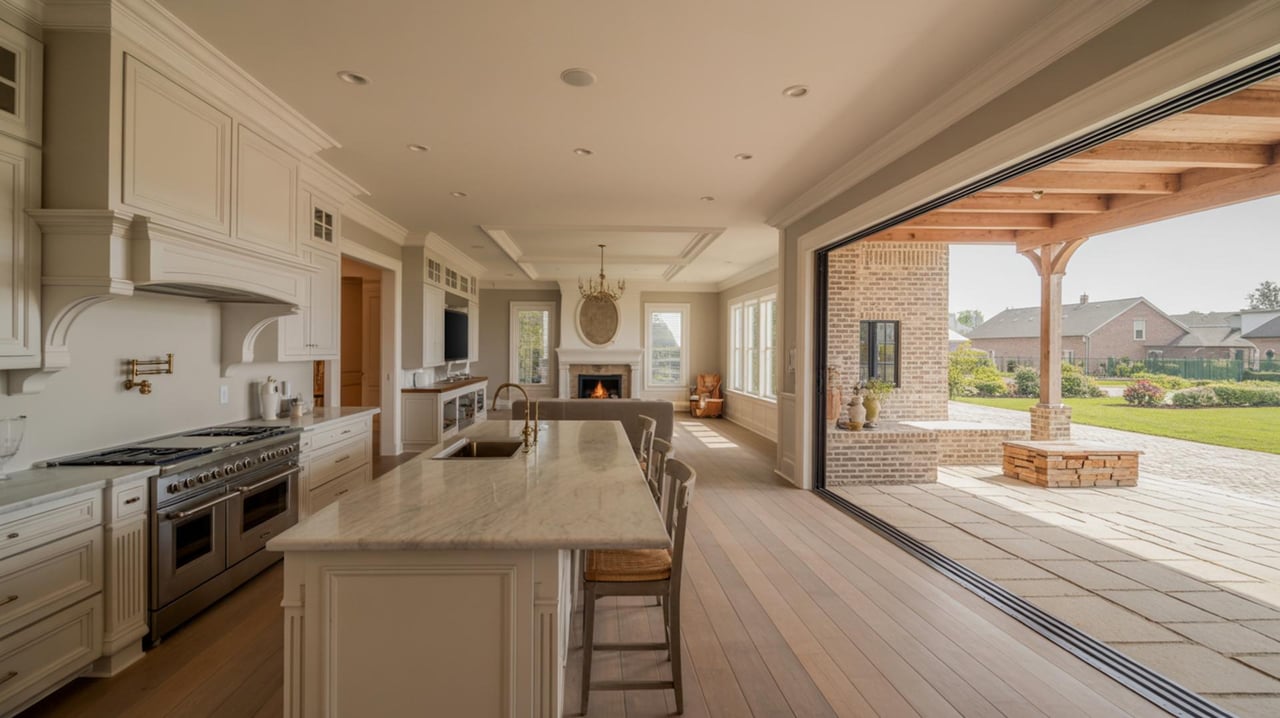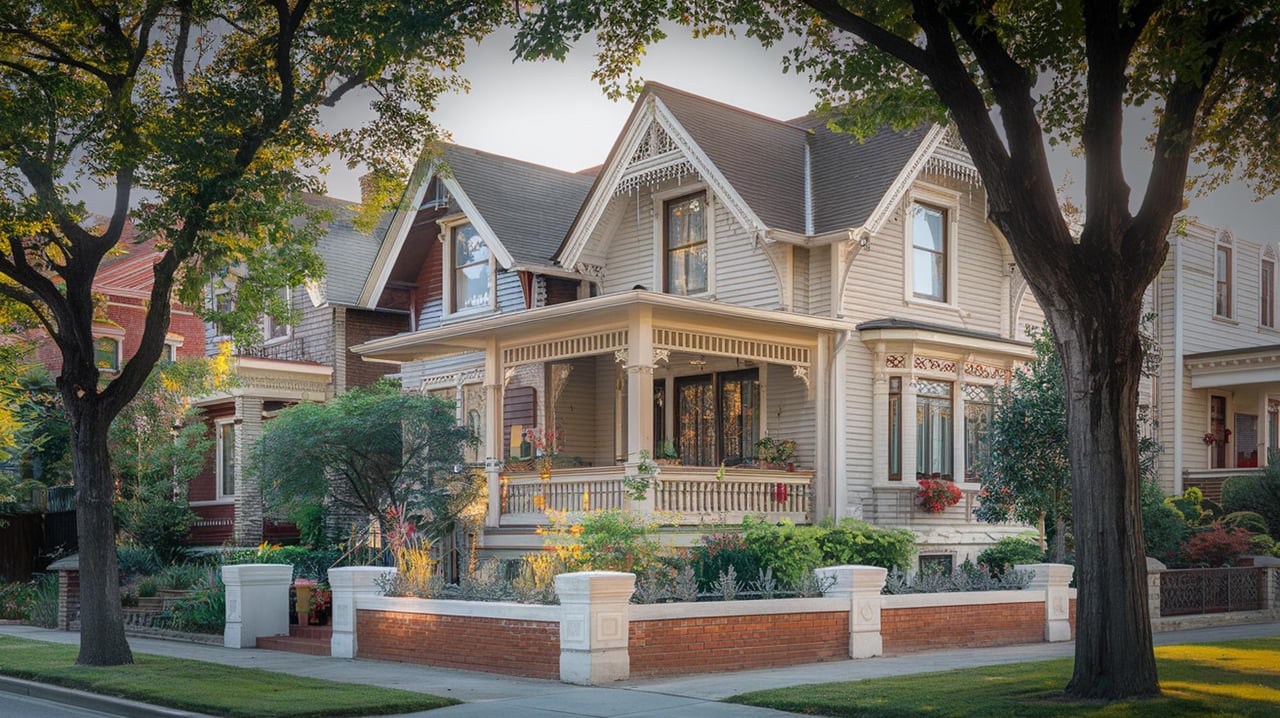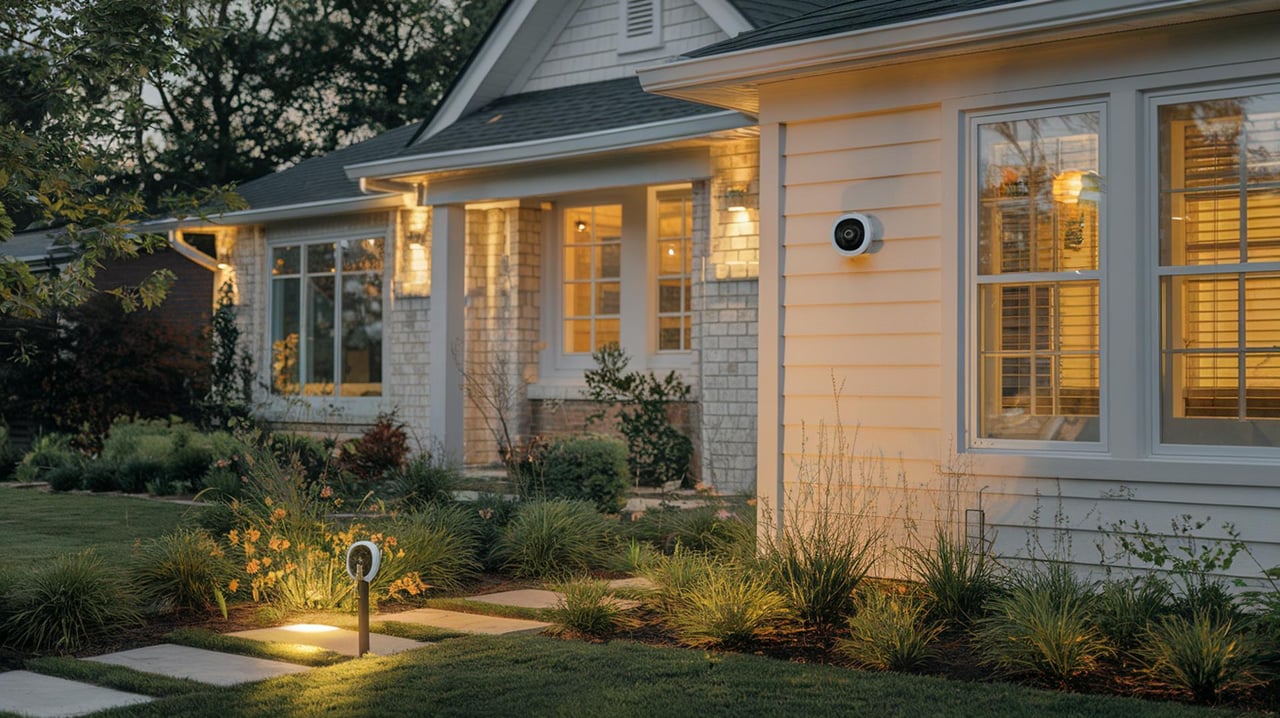
Homes in Valley Station spent a median of just 15 days on the market in July 2026, according to Movoto's tracking, the same pace as a year earlier. Across greater Louisville, the average listing needed closer to 39 days over the same stretch, per Redfin's three-month window ending in May 2026. That gap alone would be worth a second look. But the same ZIP code, 40272, also produced sale prices ranging from $69,900 to $1.3 million over the past twelve months, according to RealtyTrac, across 660 recorded transactions.
That's not one fast market. That's two markets, moving at different speeds, filed under the same address.
If you're comparing Valley Station to other South Louisville neighborhoods using a single median number, you're averaging together two products that don't behave the same way, don't attract the same buyer, and right now don't even appear to be moving in the same direction. Here's what's actually happening underneath that median, and why it matters for where you shop.
One ZIP Code, Two Products
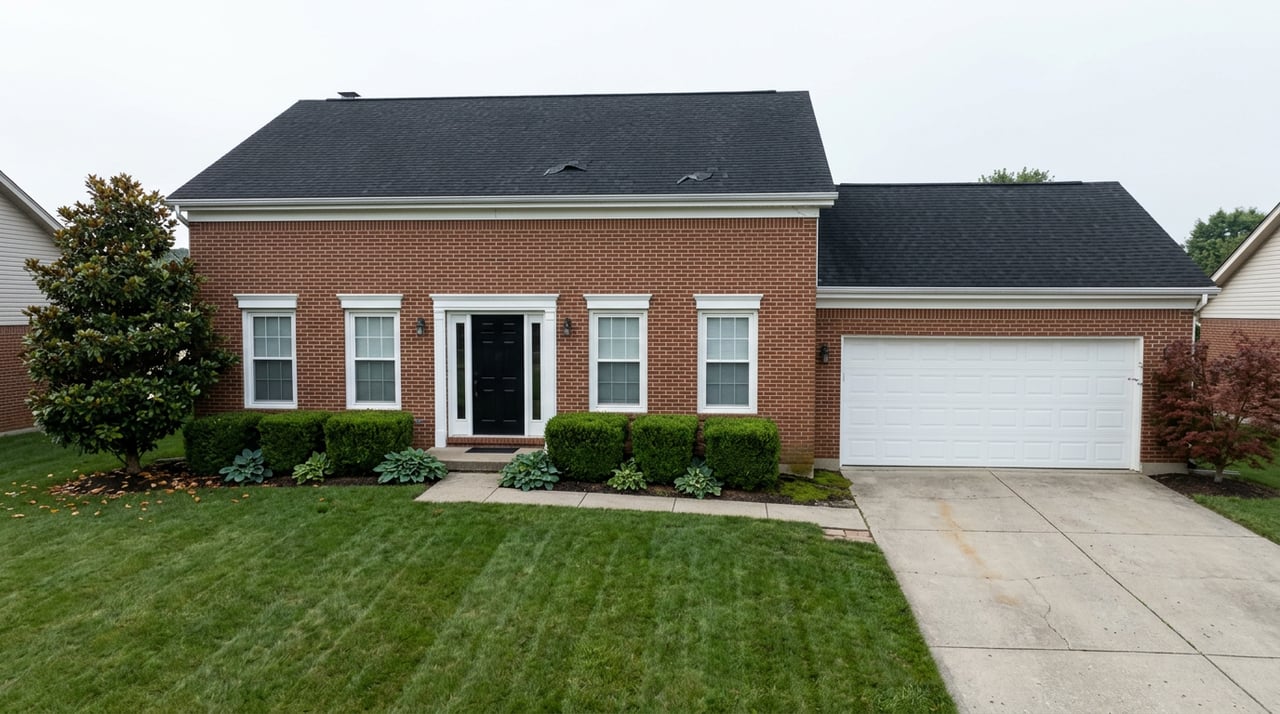
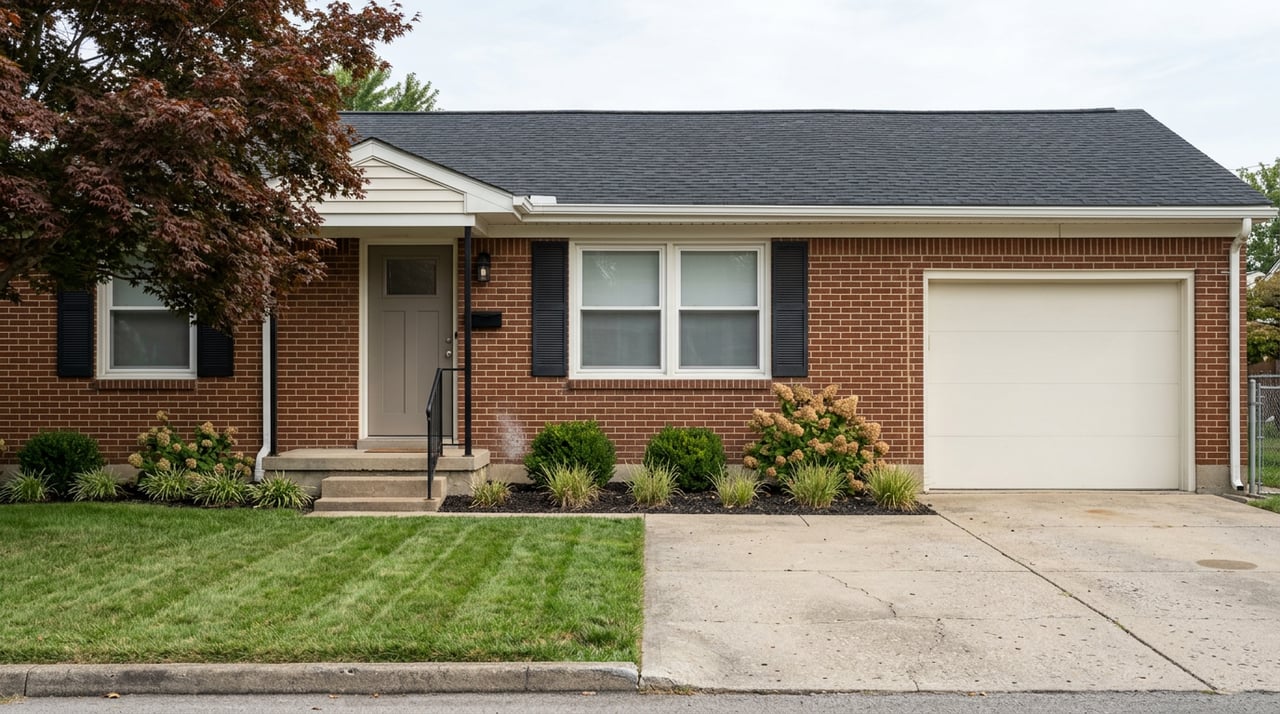
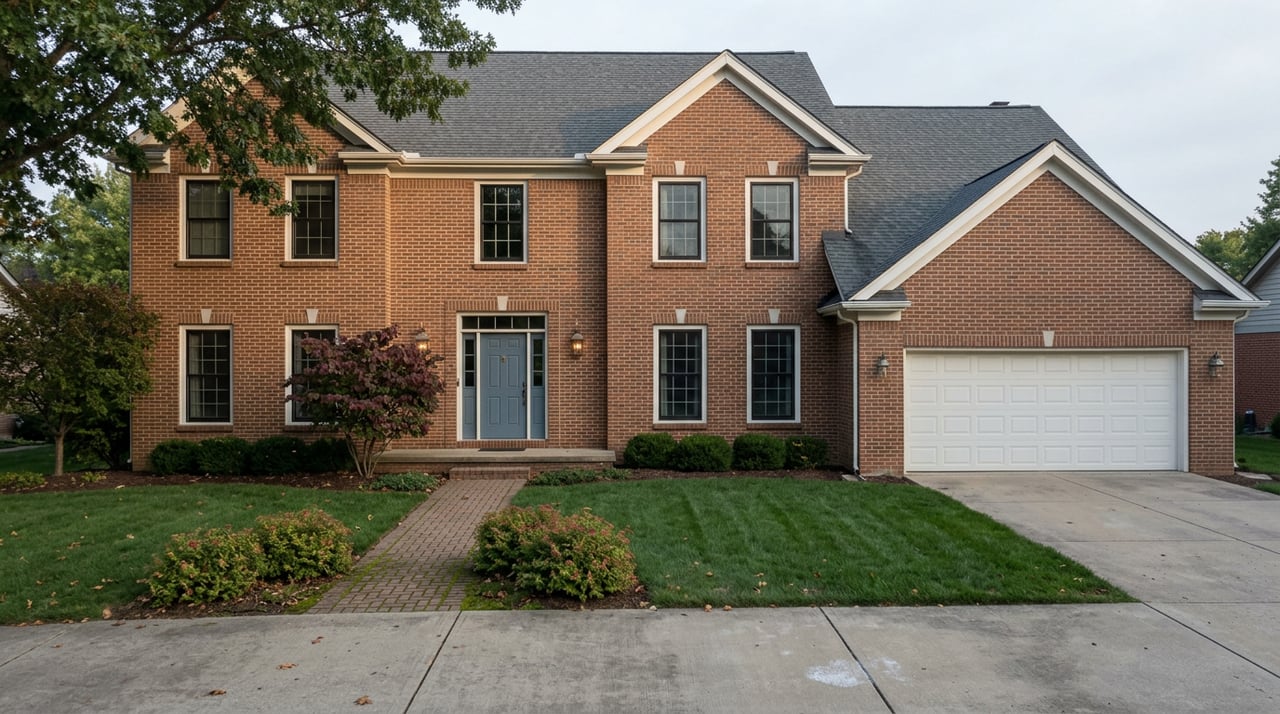
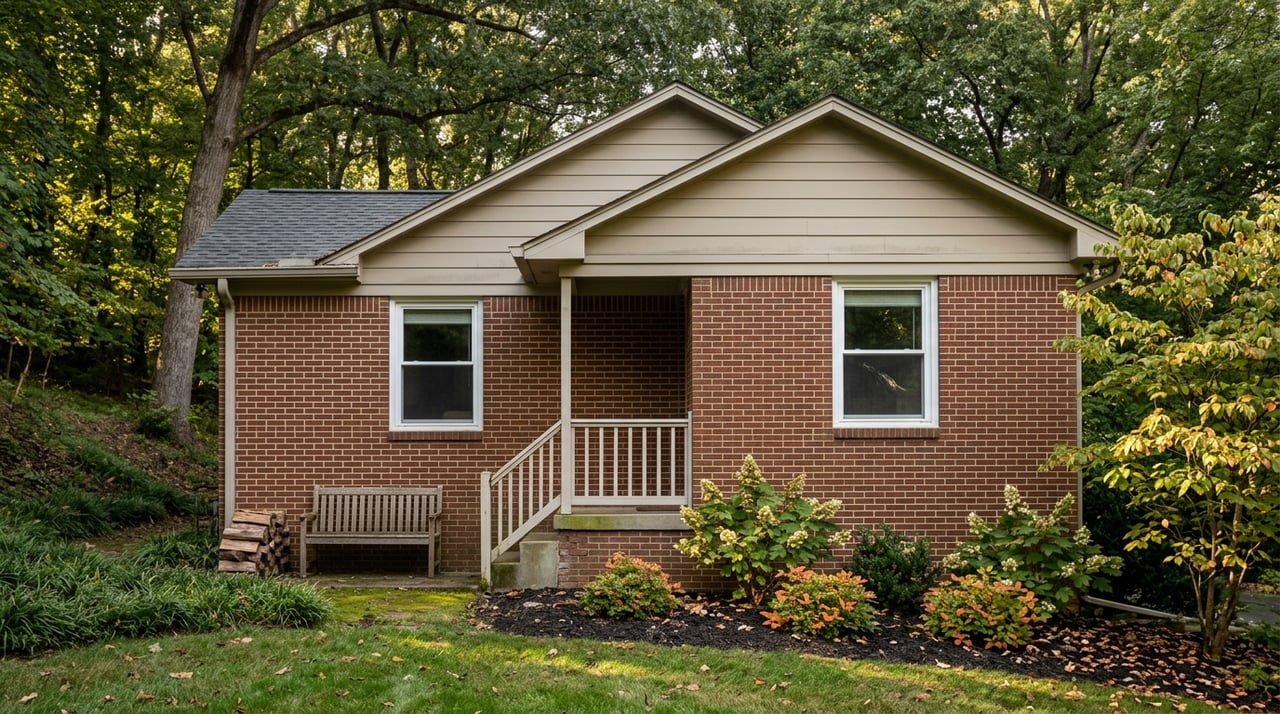
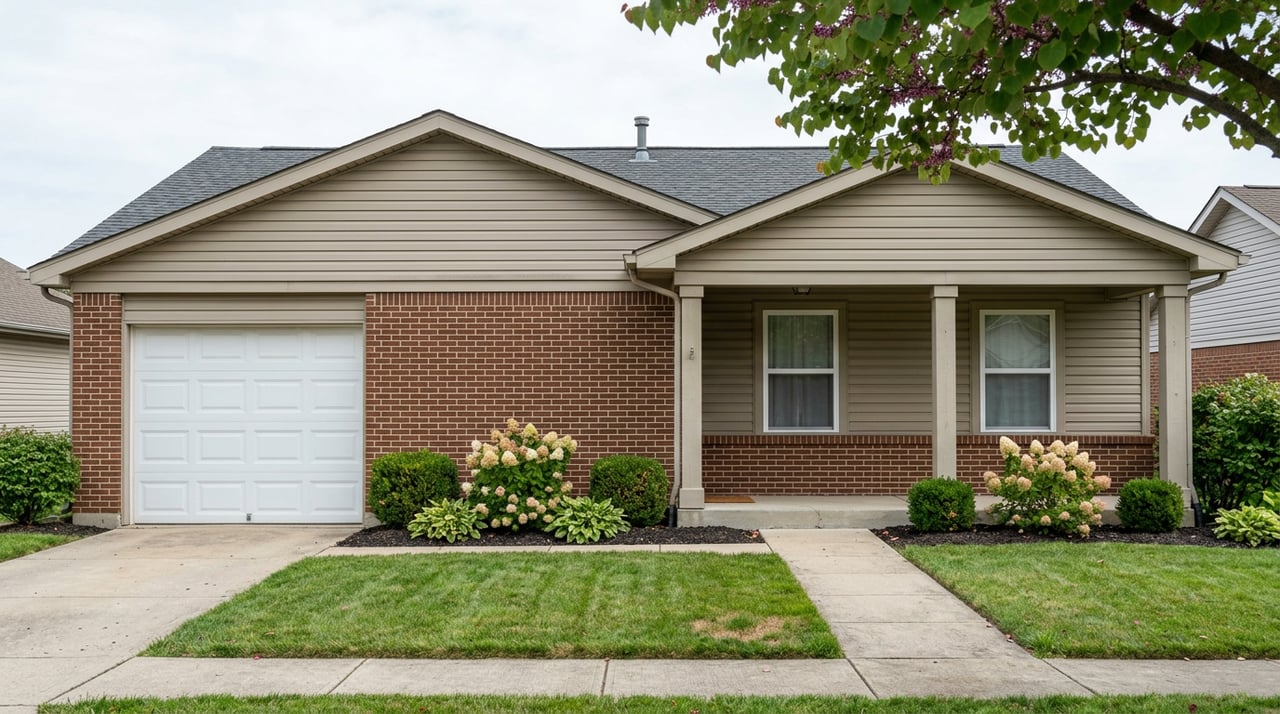
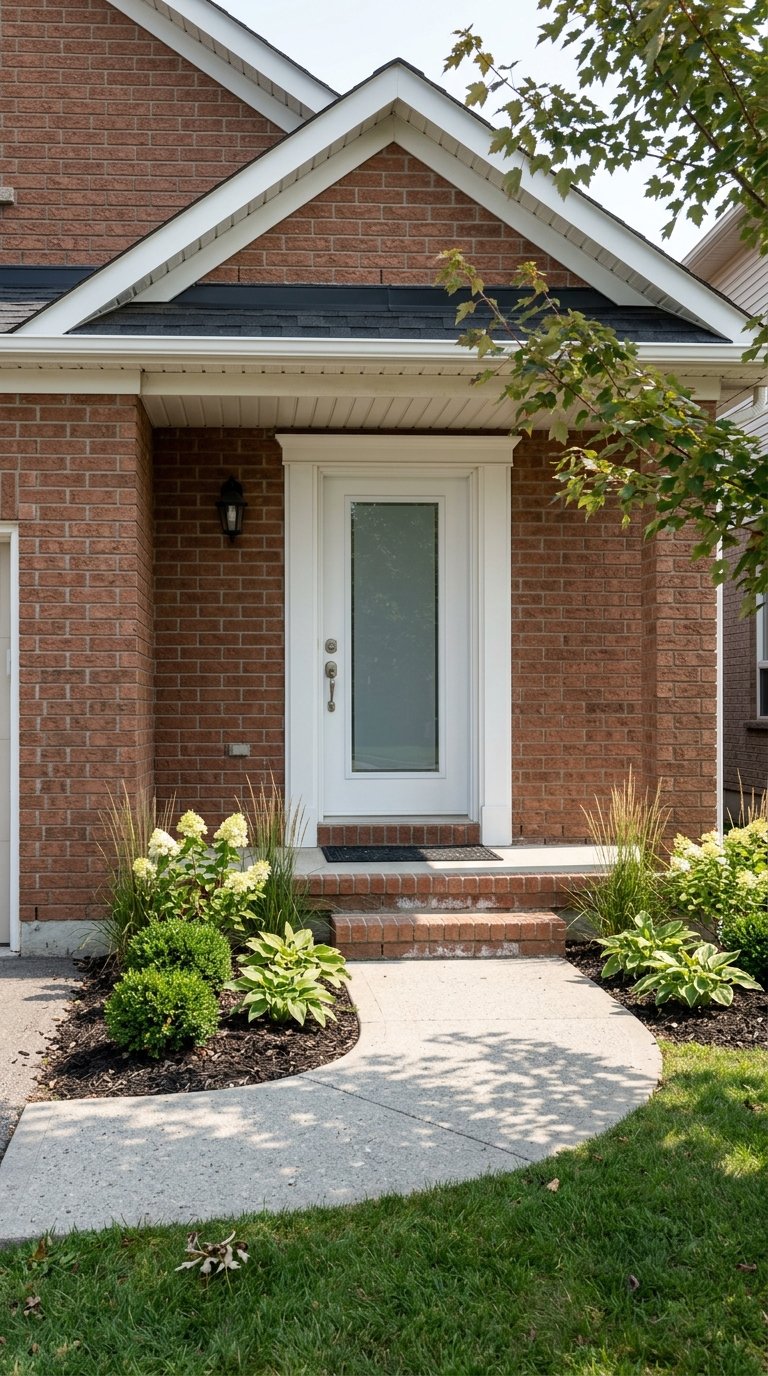
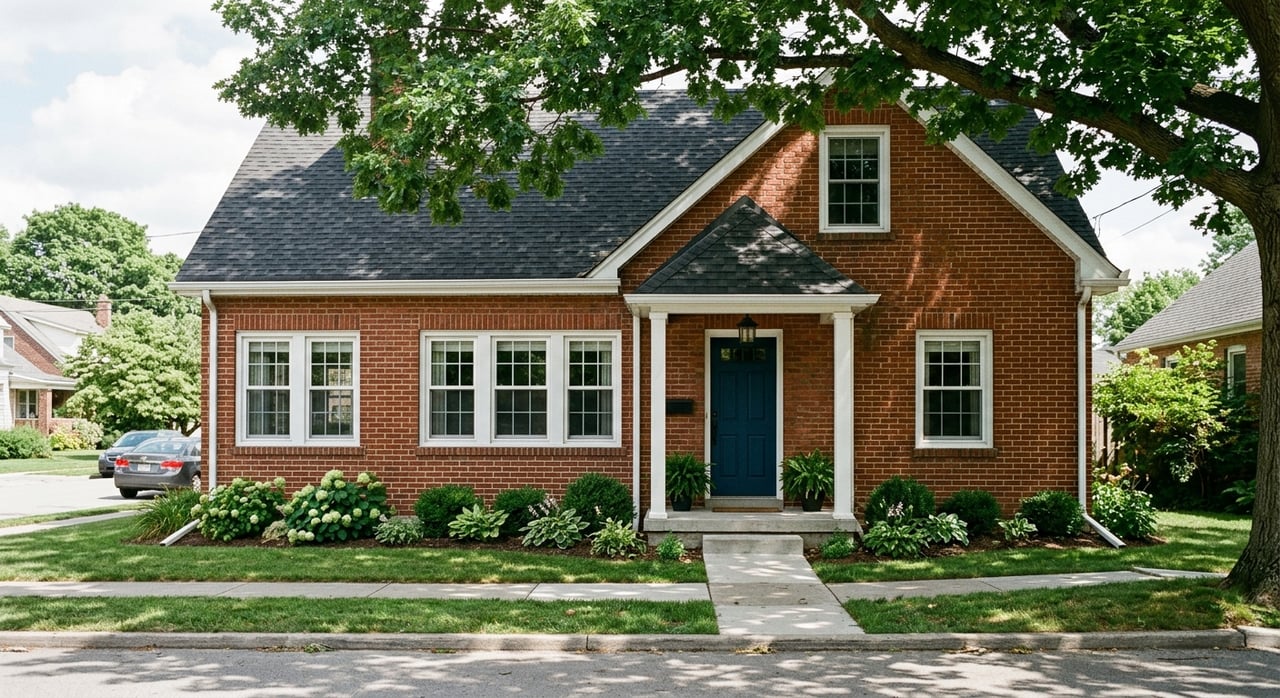
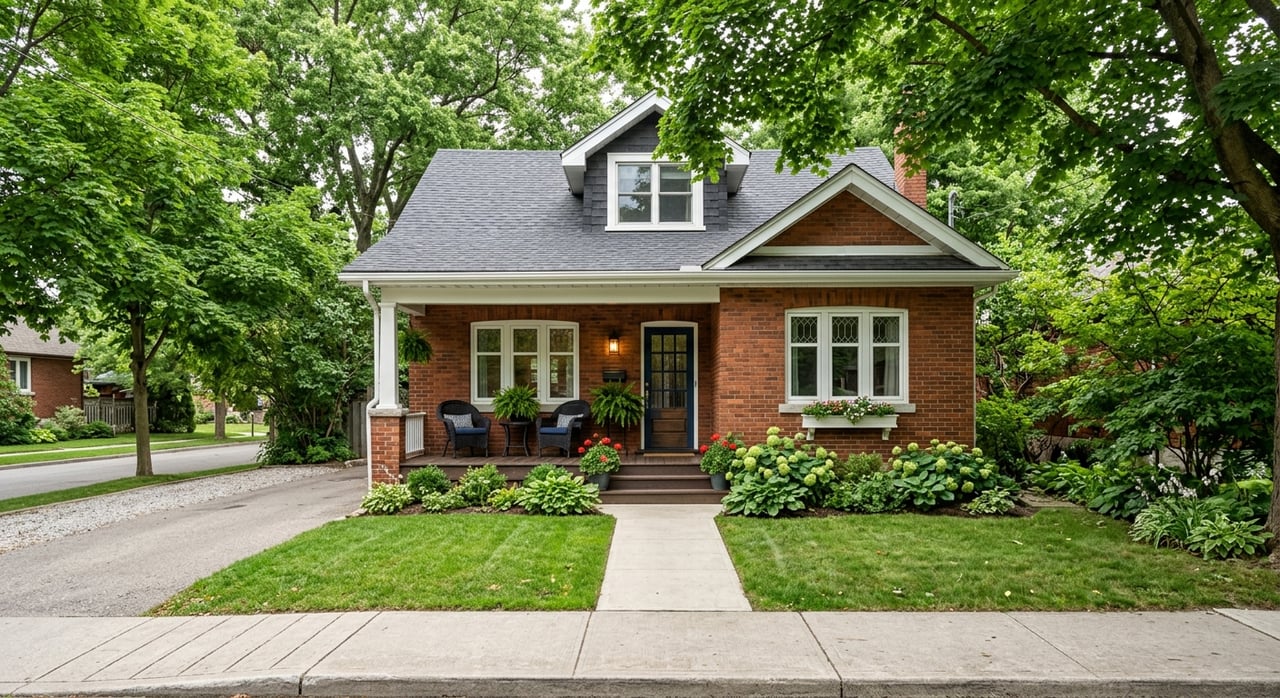
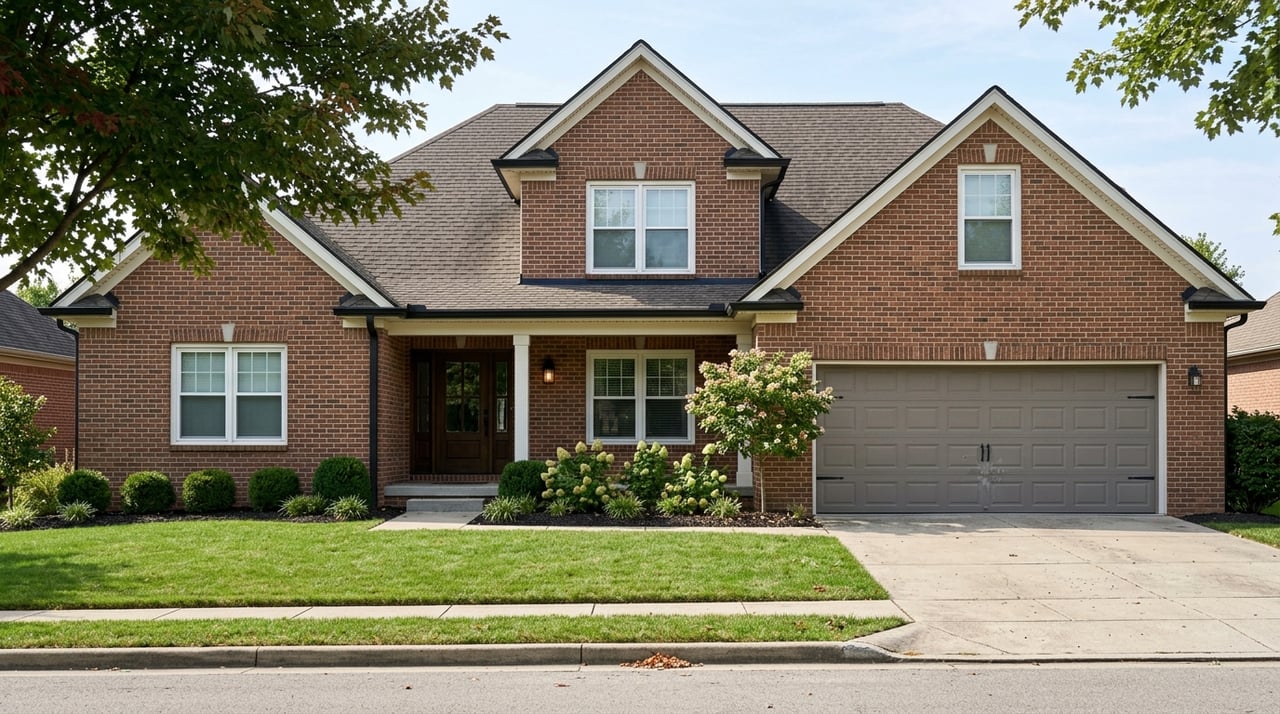
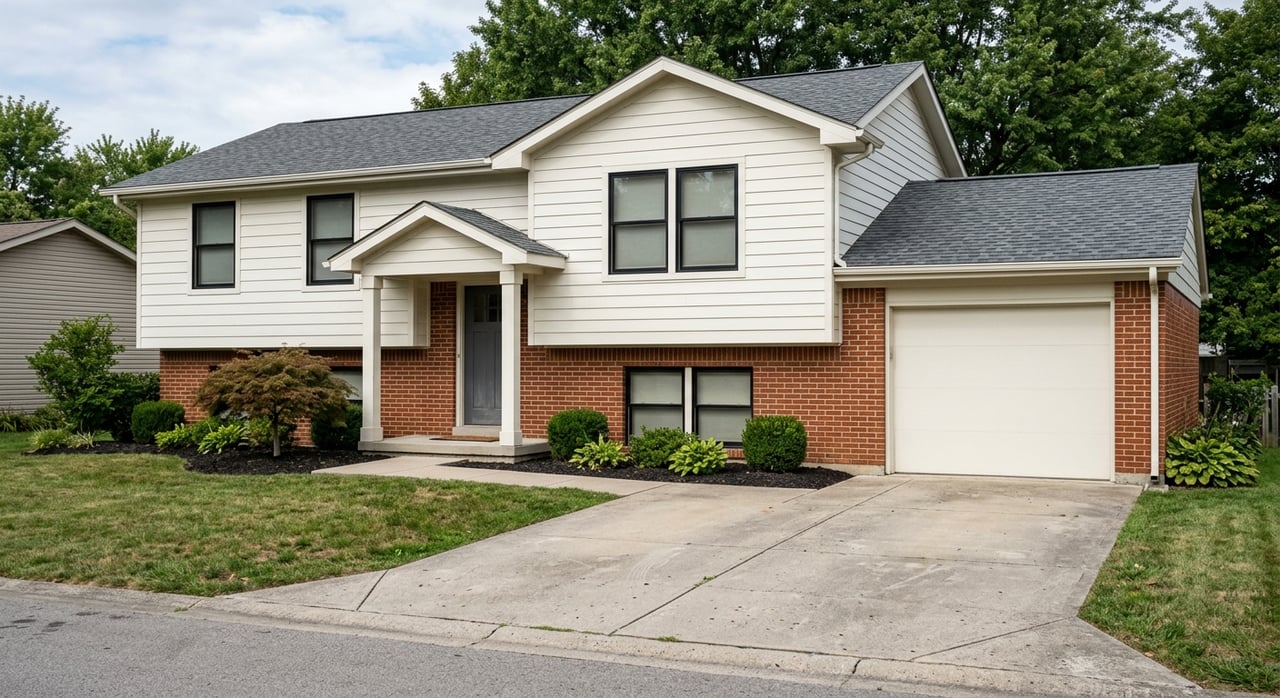
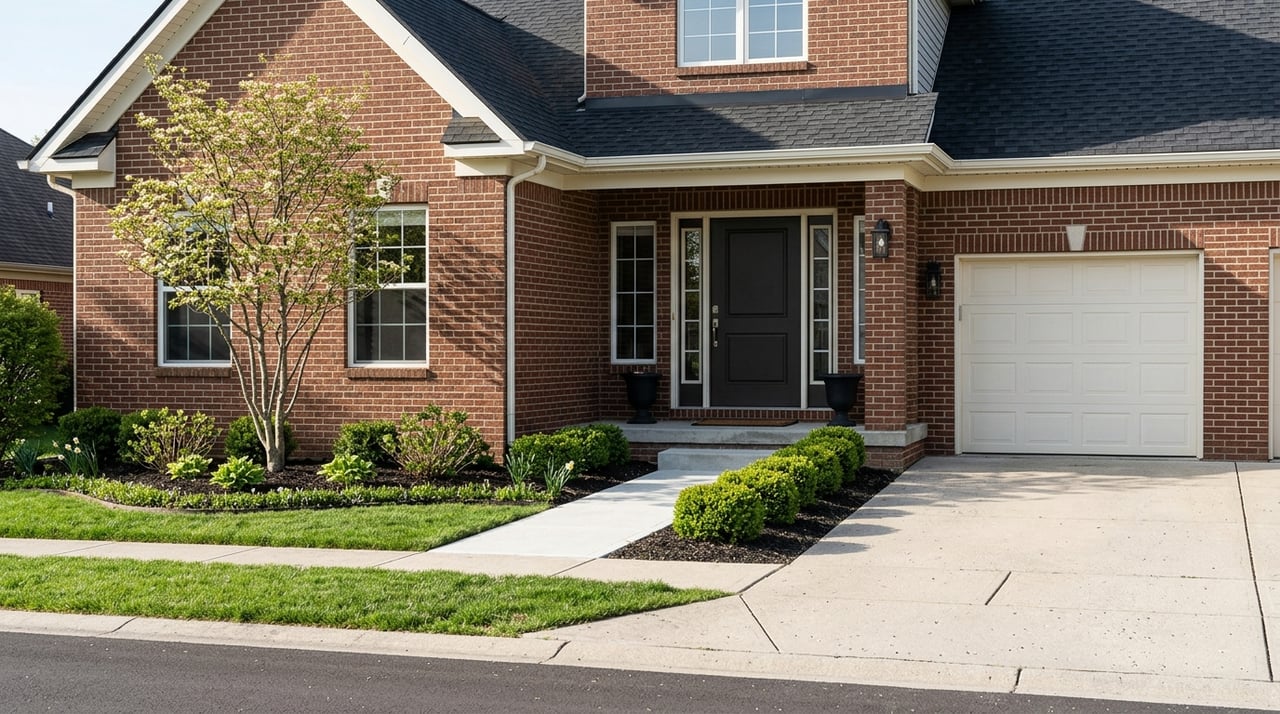
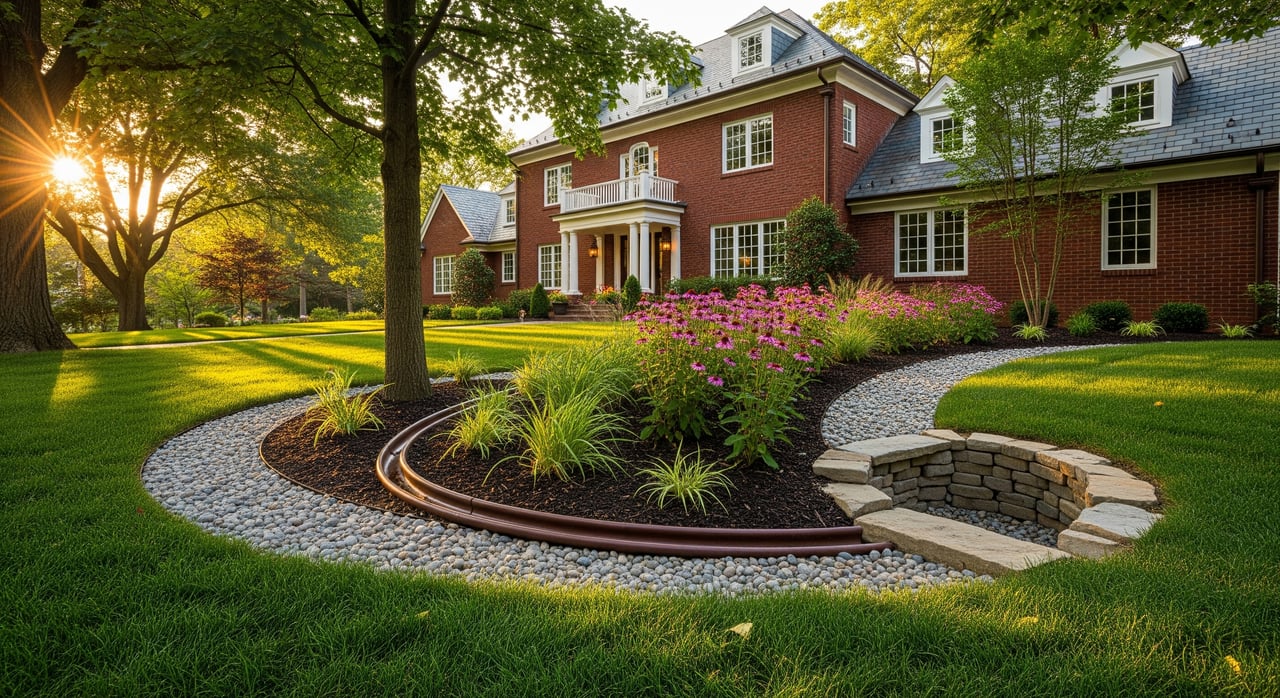
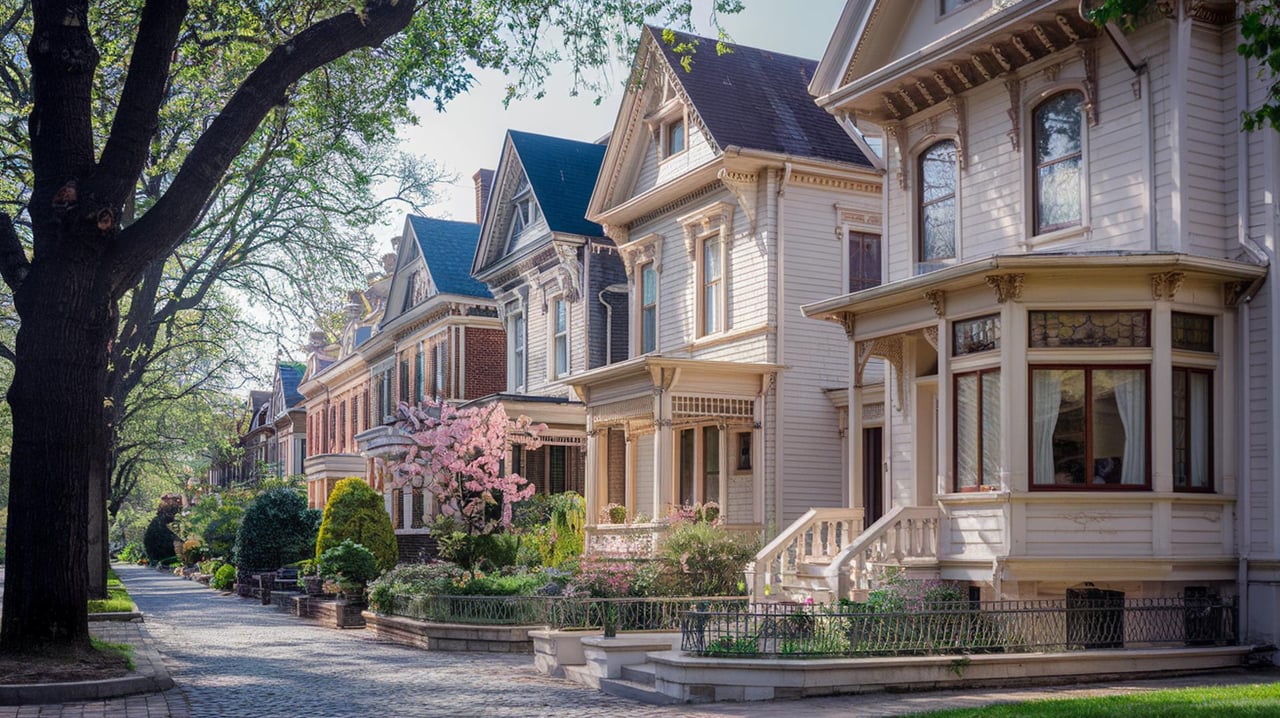
Drive the stretch along Dixie Highway and you'll find three-bedroom ranch and shingle-sided homes on quarter-acre lots, most of them built decades ago, priced in roughly the $120,000 to $200,000 range. That's the housing stock most people picture when they think of Valley Station: modest, established, walkable to a stretch of highway lined with small businesses.
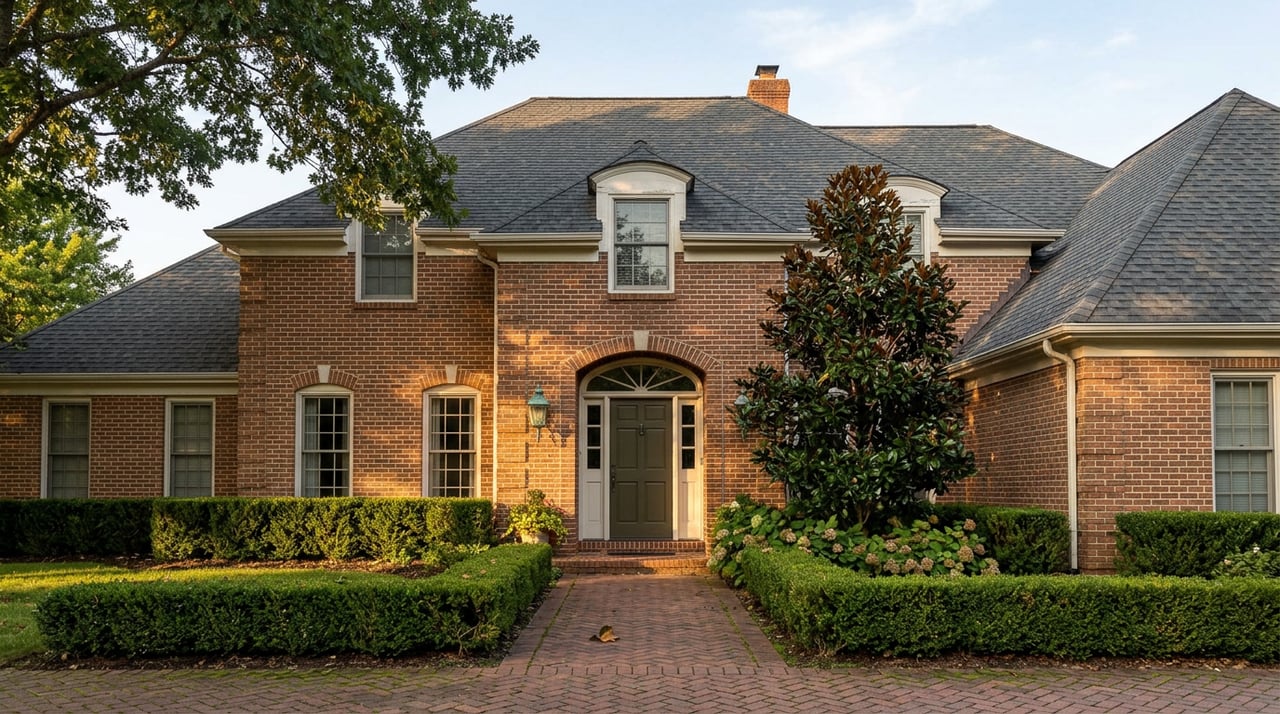
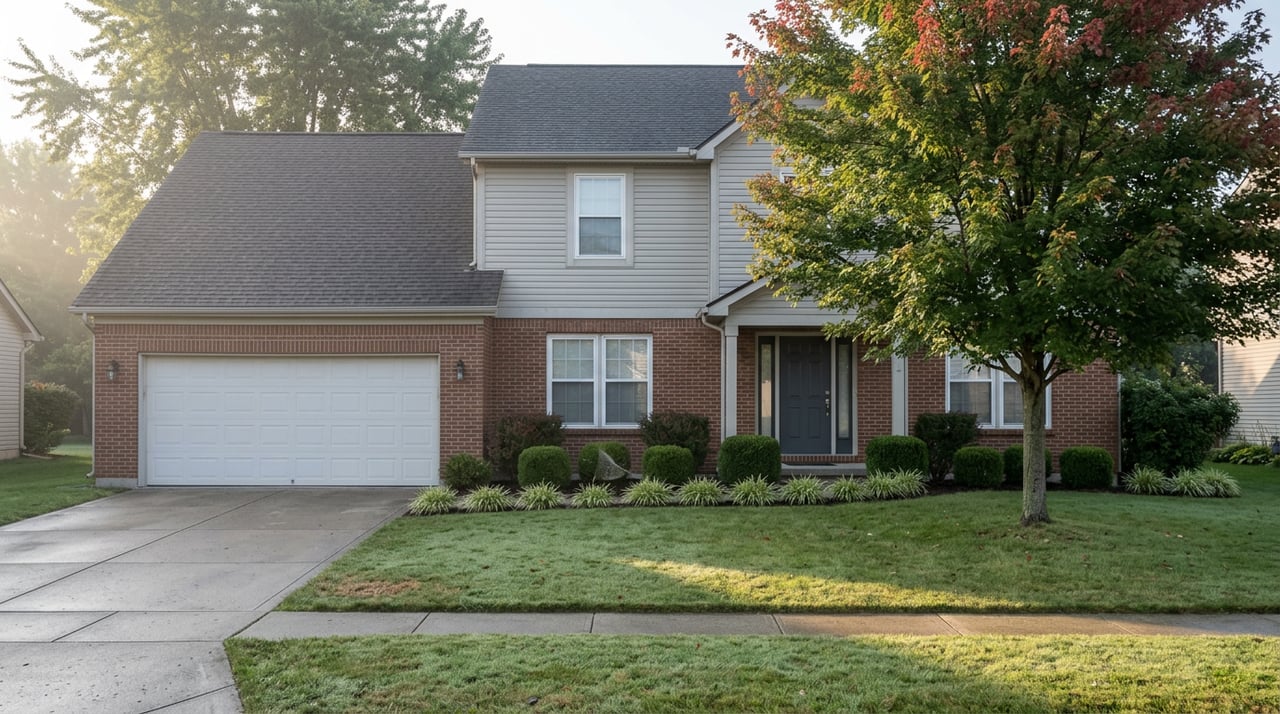
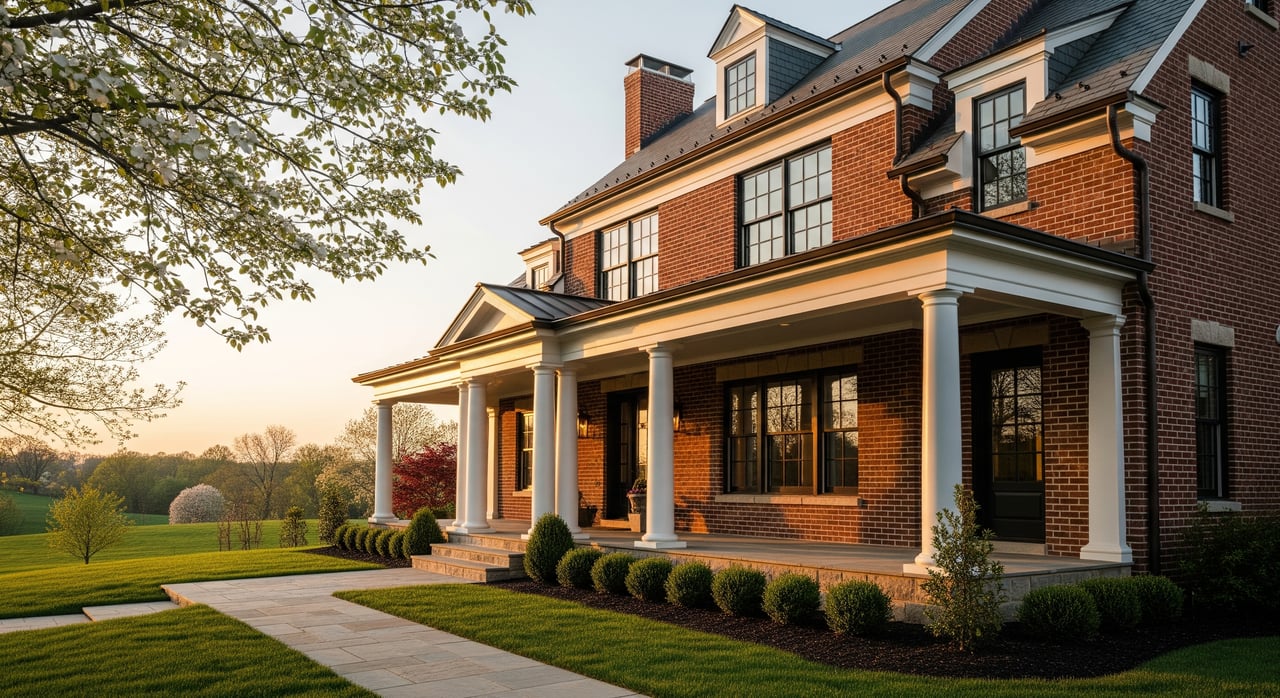
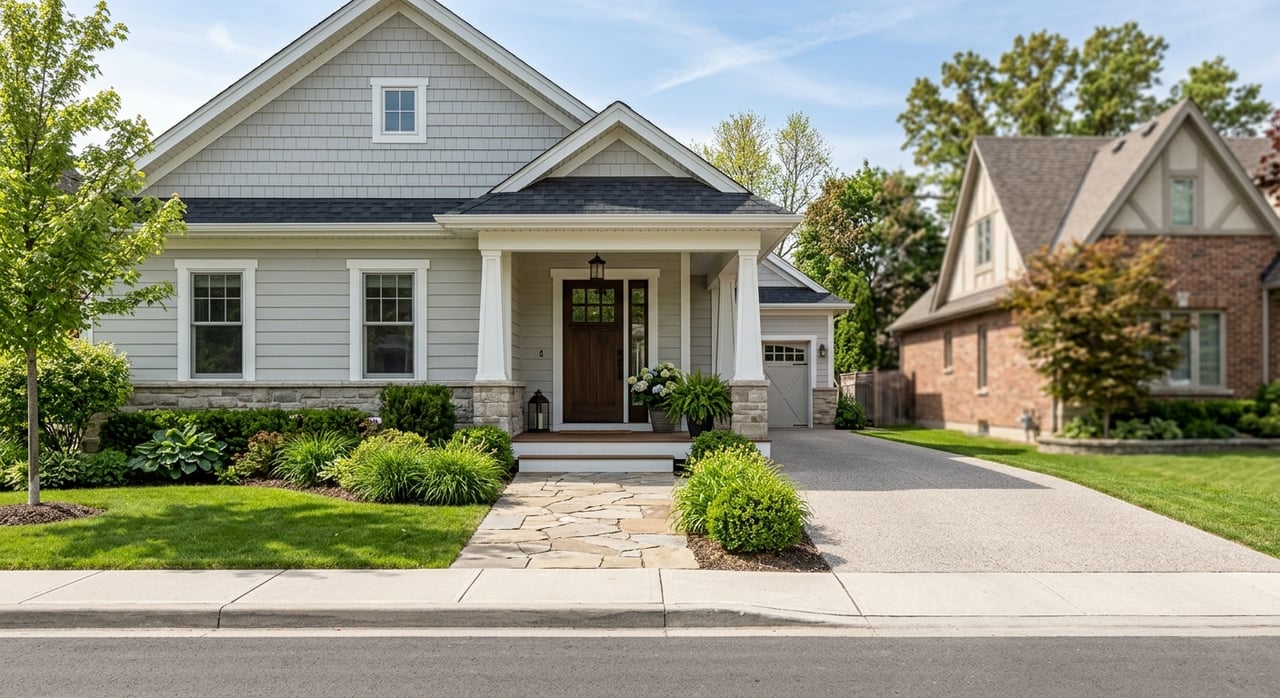
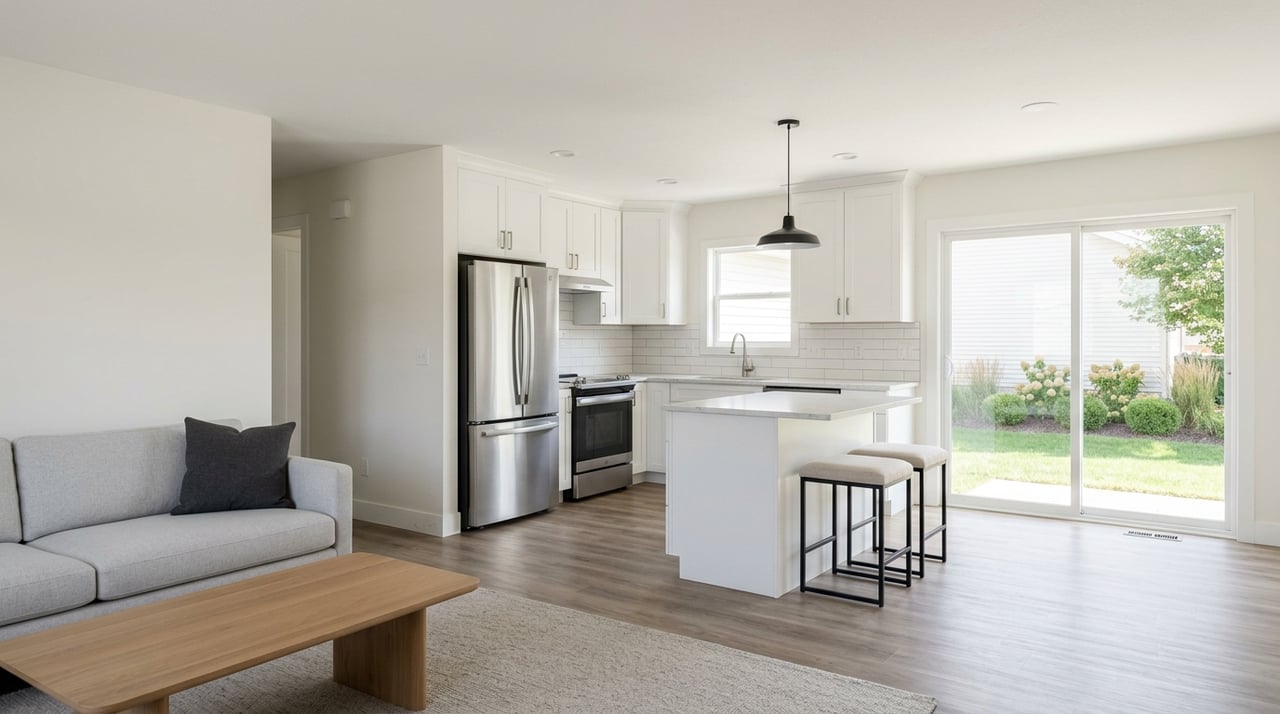
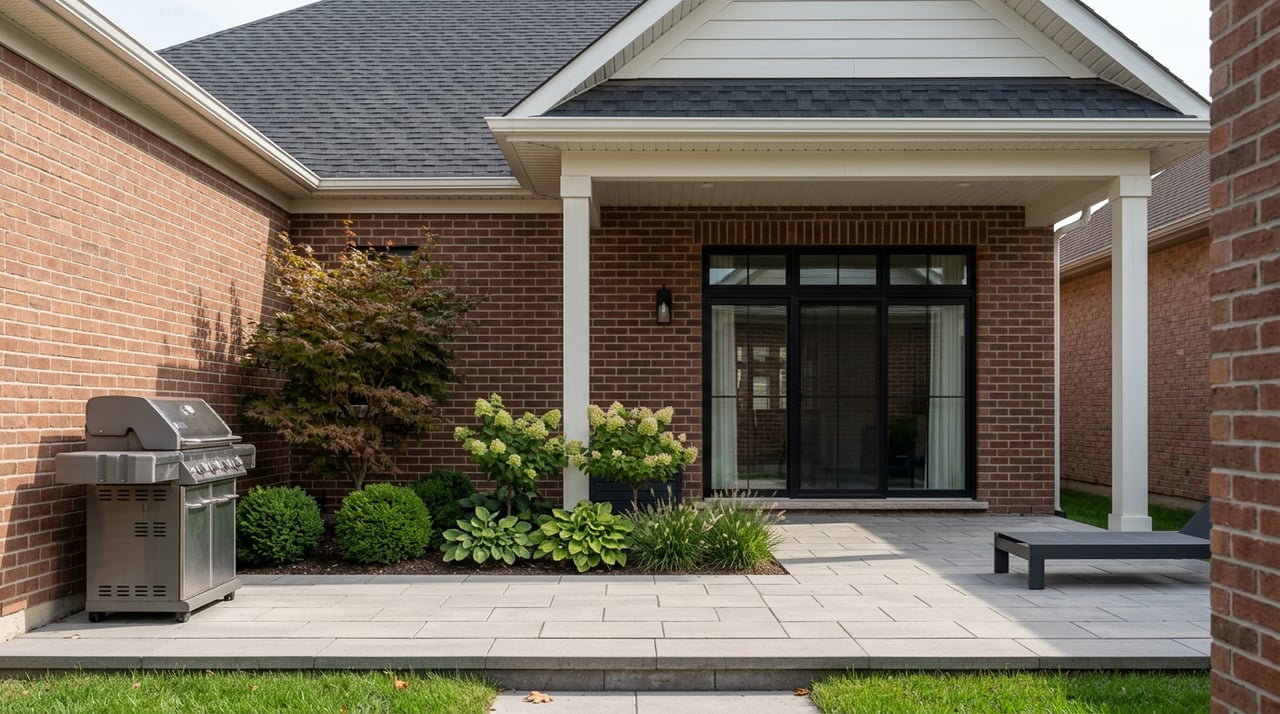
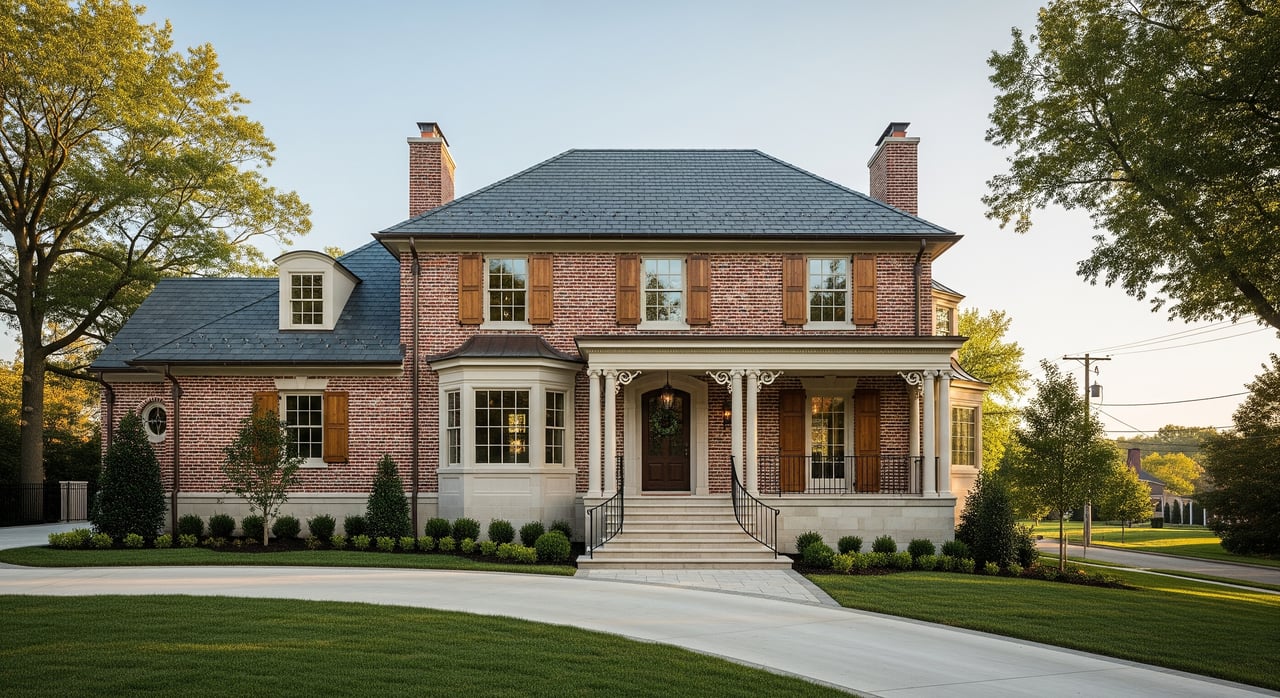
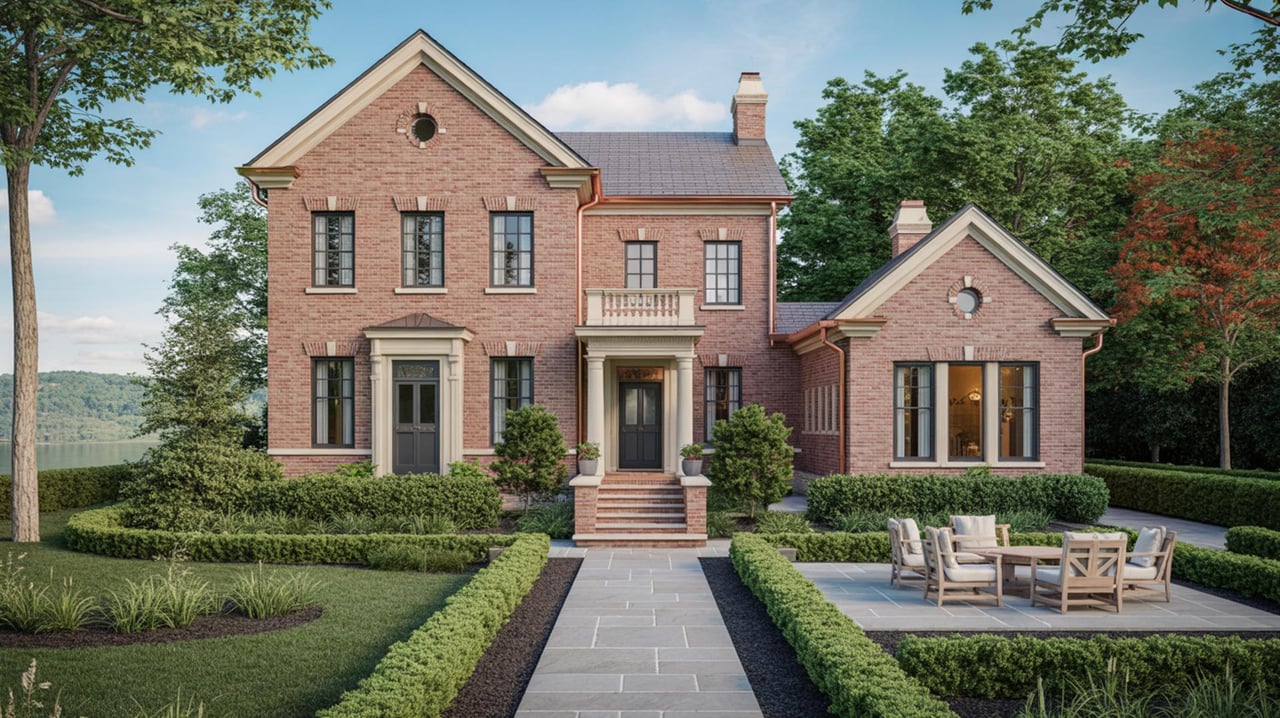
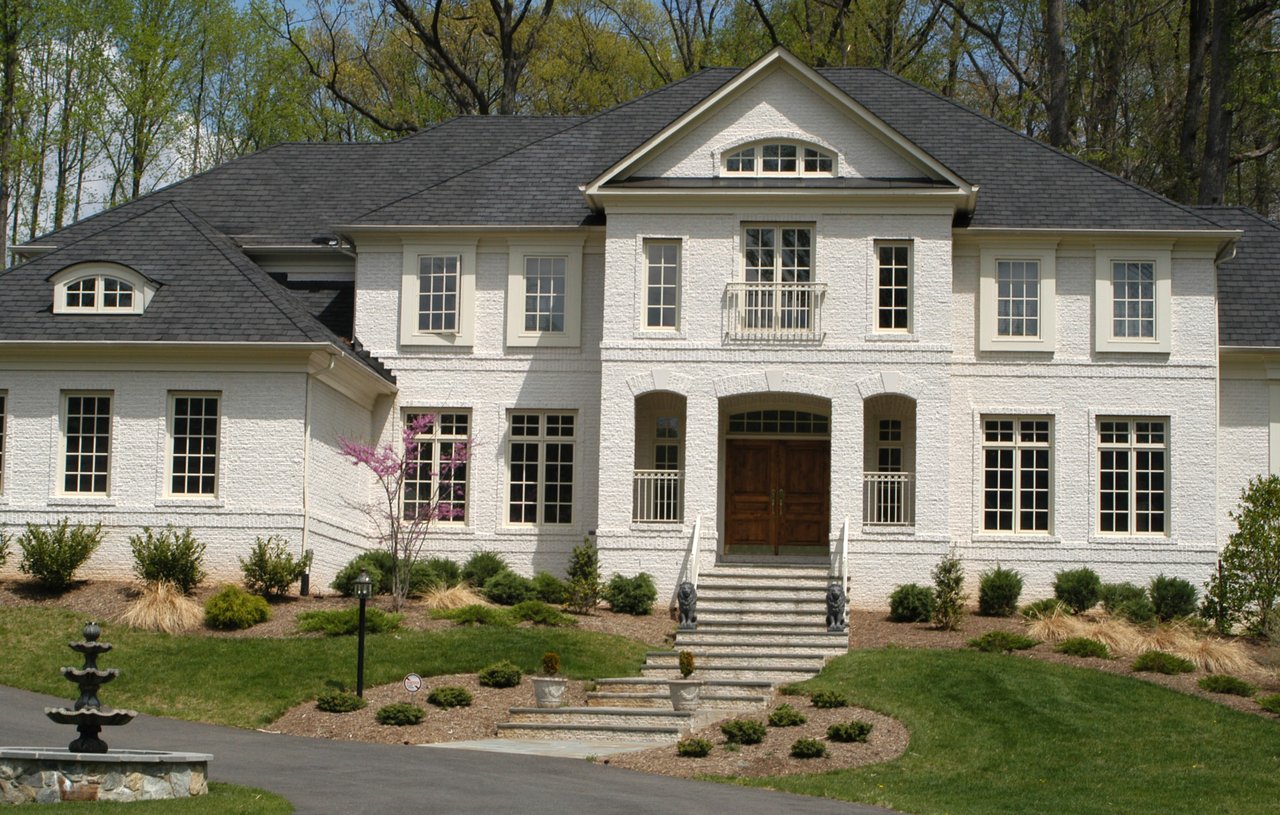
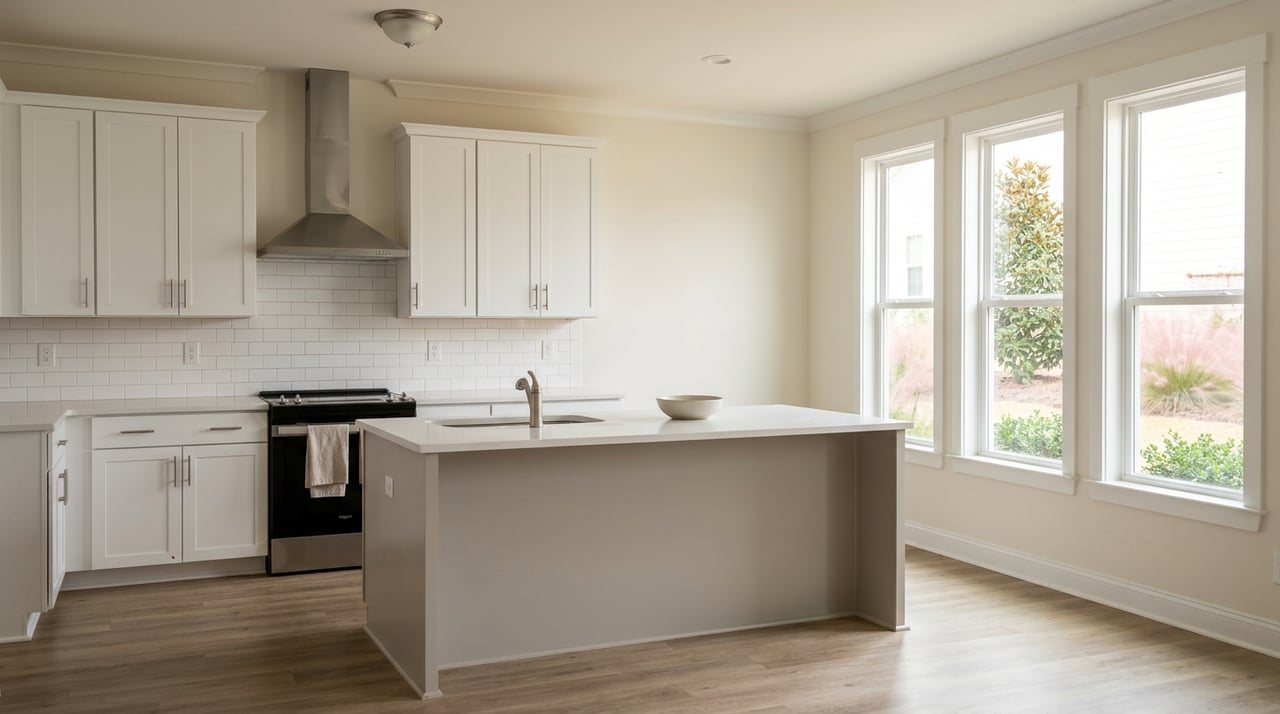
Then there's Orell Station, a newer subdivision where traditional-style homes started around $330,000 when the community began selling in the early 2020s. New construction there is still active. Listings tracked on the market this summer include homes on Railcar Road with completion dates of September, October, and November 2026, four-bedroom ranch layouts with open-concept kitchens and attached garages.
Put those two products in the same pool and a $225,593 median sales price, which is what RealtyTrac reported for 40272, starts to make sense as a mathematical compromise rather than a description of what you'll actually find. It's not the price of a typical home. It's the price where the ranch tier and the new-construction tier happen to cross.
Why "15 Days" Only Tells Half the Story
The Movoto figure showing Valley Station homes moving in a median of 15 days is real, and it's fast. But it's driven almost entirely by the affordable resale tier. A ranch home priced in the $150,000s with a move-in-ready kitchen and a fenced yard draws a deep pool of first-time buyers competing for limited supply, and that competition shows up directly in how quickly a listing goes under contract.
New construction tells a different story. Redfin's own tracking of new homes for sale in Valley Station puts the typical time on market at 38 days, nearly identical to the metro-wide average. Higher price points mean a smaller buyer pool, more negotiation over lot premiums and builder incentives, and a pace that looks nothing like the headline number.
So when you see "Valley Station homes sell in 15 days," what you're really seeing is the entry-level ranch tier setting the pace for the whole neighborhood's statistics, while the new-construction tier quietly moves at the same speed as everywhere else.
The Pleasure Ridge Park Contrast
Here's where the two-speed story gets more interesting. Zillow's tracking of the 40272 ZIP code, updated at the end of June 2026, showed an average home value of $211,534, up 7.3% over the past year, well ahead of the 1.6% appreciation Zillow recorded for Louisville as a whole over a similar window.
Pleasure Ridge Park, the neighborhood immediately adjacent and historically similar in housing stock and price point, is not seeing the same lift. Redfin's recent tracking put the average sale price there at $219,000, down 4.8% from a year earlier.
Two neighborhoods built around the same era of ranch-style housing, sitting next to each other on the map, and one is appreciating faster than the metro while the other is losing ground. The most obvious explanation sitting in the data is that Valley Station has an active new-construction pipeline, Orell Station, pulling its average upward, while Pleasure Ridge Park currently doesn't have a comparable new-build community at scale to do the same. New supply at a higher price point doesn't just add inventory. It changes the math on every average calculated across the neighborhood.
City Hall Is Betting on the Older Corridor
There's a second force at work, and it's aimed squarely at the ranch-home side of this market rather than the new-construction side. In his 2026 State of the City address, Mayor Craig Greenberg described a new $3 million South End Development Fund built to jumpstart investment along South Louisville's main corridors, funding that Metro Council has already supported.
"we announced three new restaurants and one expansion are coming to Dixie Highway"
The additions named in that announcement were Crumble Cookies, Derby City Pizza, and Freddy's Custard & Steakburgers as new arrivals, alongside a Longhorn Steakhouse. That's public investment landing directly on the corridor where the $120,000 to $200,000 ranch stock sits, not on the subdivisions further out where Orell Station is building.
For a buyer weighing the two tracks, that's a meaningful data point. City dollars are currently reinforcing the older, walkable, already-fast-moving tier of this market rather than the newer one. Whether that closes the value gap between the two tiers over the next several sales cycles is something worth watching, but the direction of the investment is clear as of this year's city budget commitments.
Two Tracks, Side by Side
| Older Dixie Highway Stock | New Construction (Orell Station) | |
|---|---|---|
| Typical price range | $120,000–$200,000 | From roughly $330,000 |
| Lot size | Around a quarter acre | Subdivision lots, newer streets |
| Home style | Brick or shingle ranch, decades old | Traditional new-build ranch, open-concept layouts |
| Pace on market | Median 15 days (July 2026) | Around 38 days for active new listings |
| Nearby investment | Direct target of the $3M South End Development Fund | Not part of the current corridor funding |
Choosing Between the Two Tracks
If price and speed matter most to you, and you're comfortable with a home that may need some updating, the Dixie Highway ranch tier is where the competition and the city's retail investment are both concentrated right now. Expect to move quickly once you find something in your range.
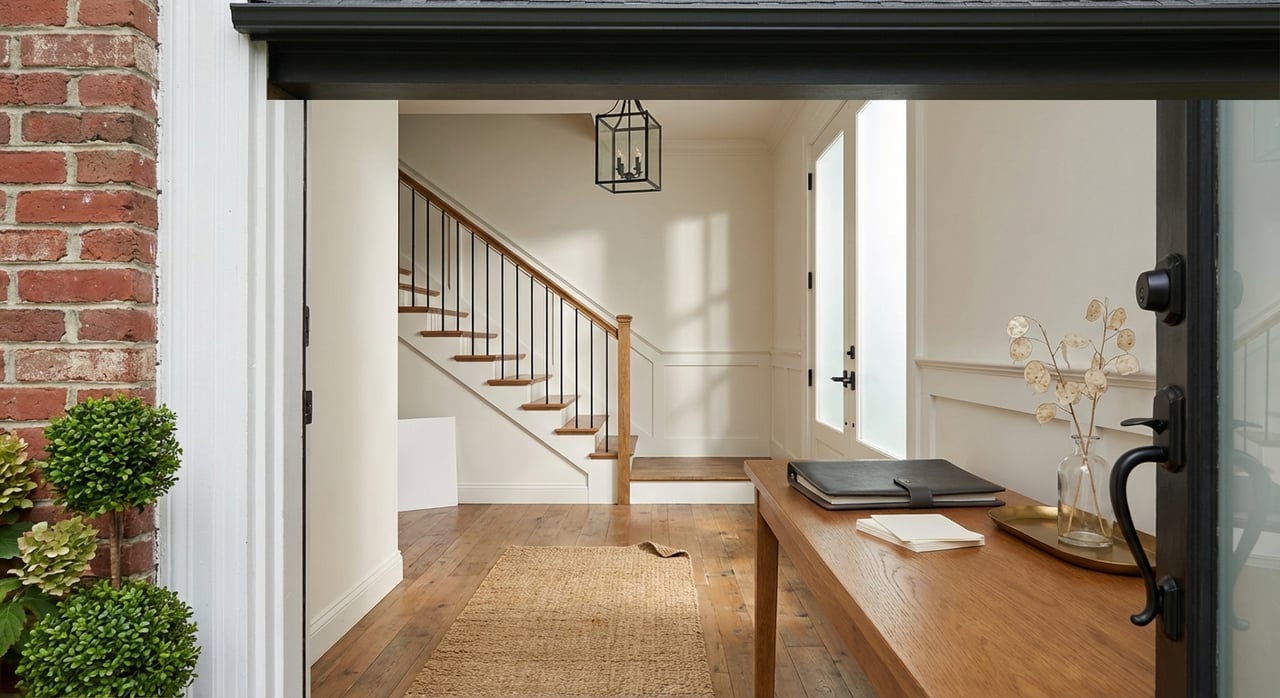
If you want a finished layout with modern finishes and you're prepared to pay more upfront, Orell Station and similar new construction sit at a slower, more metro-typical pace, with more room to negotiate on lot selection and build timeline.
One friction point worth knowing before you write an offer: because these two tiers sit so close together geographically but so far apart in price and age, an appraisal that leans too heavily on comps from the wrong tier can create headaches at underwriting. A ranch home comped against new-construction sales, or vice versa, is a mismatch an experienced local agent should catch before it becomes a problem at closing.
A Few Questions Worth Asking First
Is Valley Station the same market as Pleasure Ridge Park? Not right now. Despite similar housing stock and history, Valley Station's average value was up 7.3% year-over-year as of June 2026, while Pleasure Ridge Park's average sale price was down 4.8% over a comparable recent period. The presence of active new construction in Valley Station appears to be the main driver of that split.
Why do some Valley Station listings sit for weeks while the neighborhood median is 15 days? The 15-day figure reflects the affordable resale ranch tier, where buyer competition is strongest. New-construction listings, including homes in Orell Station, move closer to the metro average of around 38 days, a pace driven by a smaller pool of buyers at a higher price point.
Will the new Dixie Highway restaurants raise home values right away? The funding and business commitments were announced as part of the city's 2026 budget cycle. Corridor investment of this kind typically shows up in sales comps over subsequent cycles rather than overnight, so it's a trend to track rather than an immediate price signal.
If you're trying to figure out which side of this market fits your budget and your timeline, that's exactly the kind of local read a portal median can't give you. ZHomes Real Estate works both sides of the Valley Station map every week, from the Dixie Highway resale tier to the newer subdivisions further out. Reach out for a home valuation or to explore current listings, and we'll walk you through which track actually matches what you're looking for.