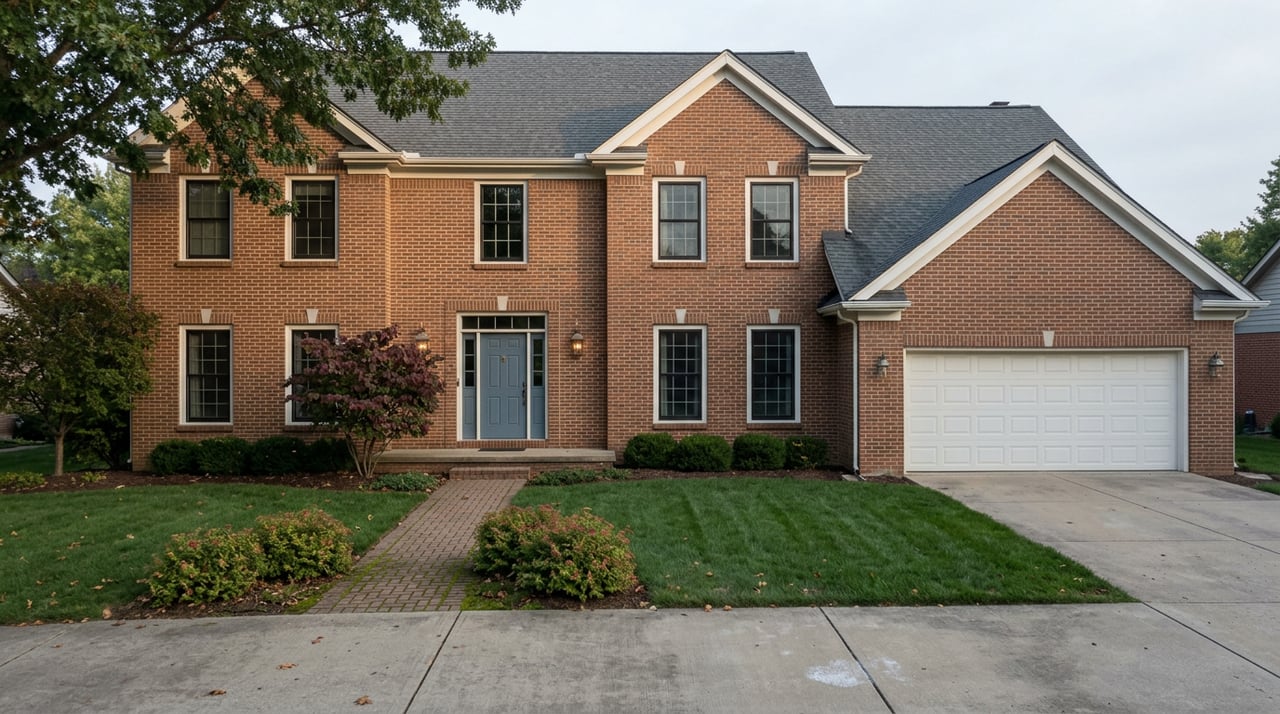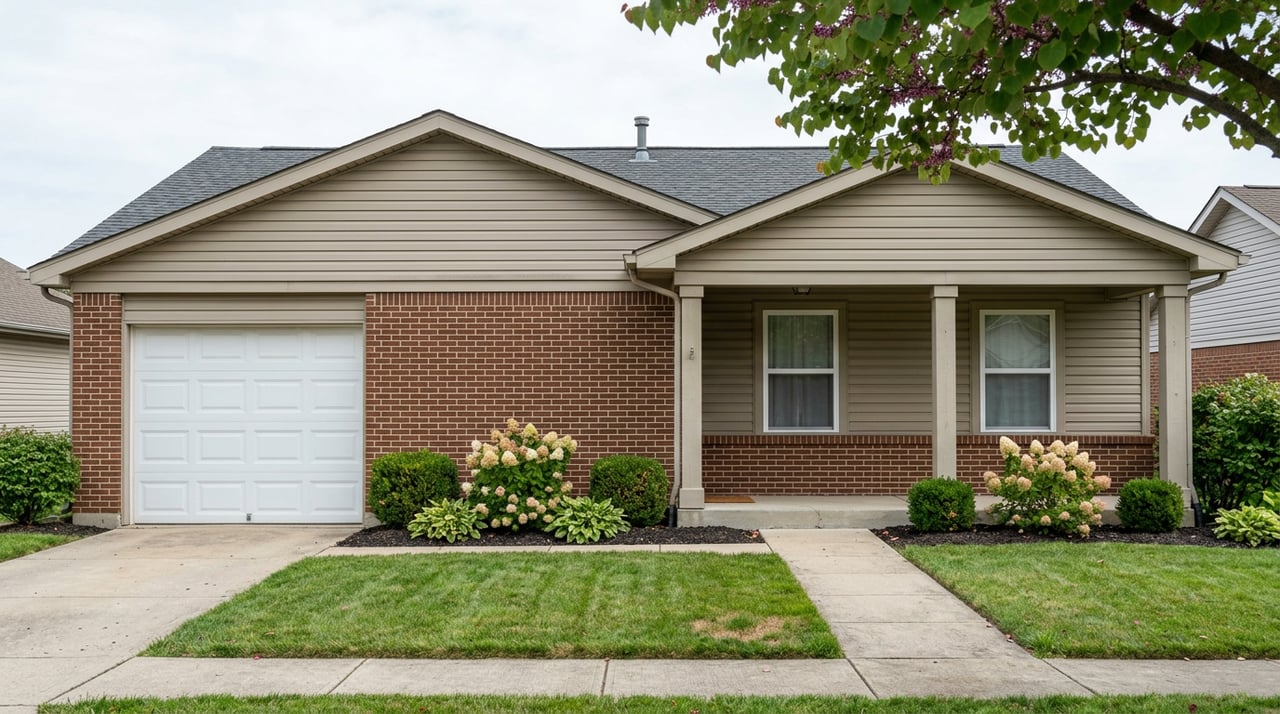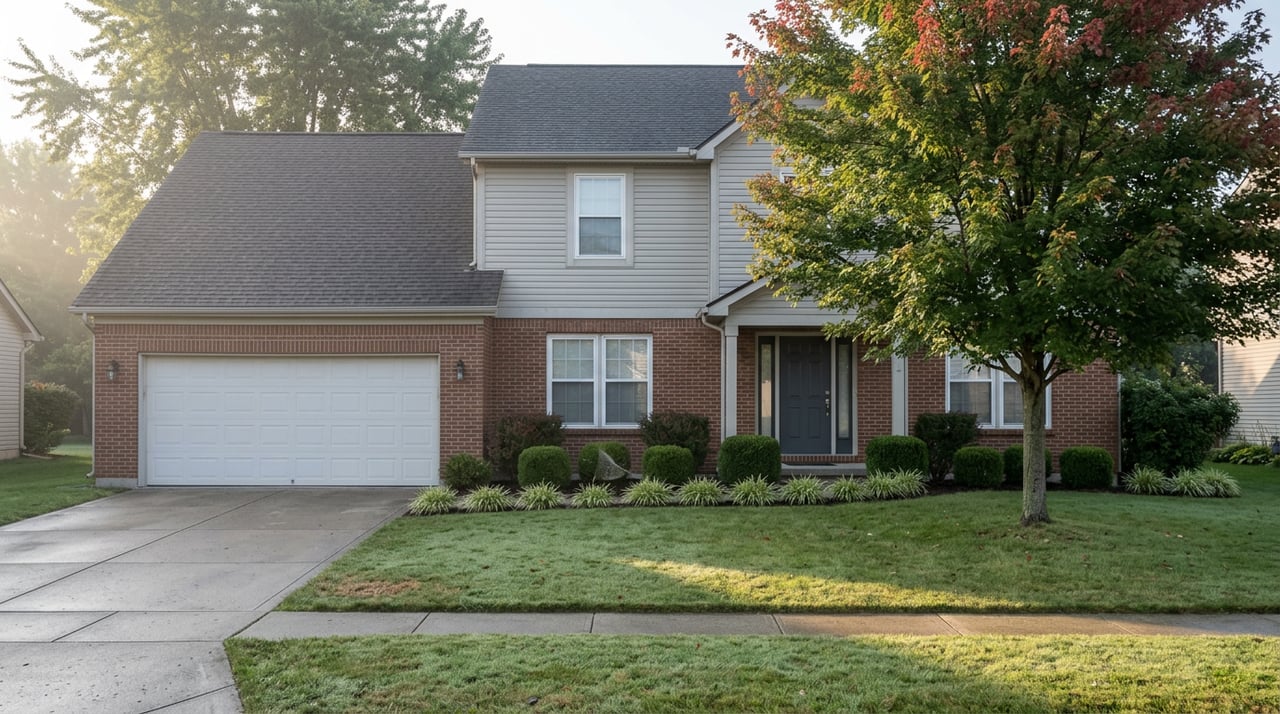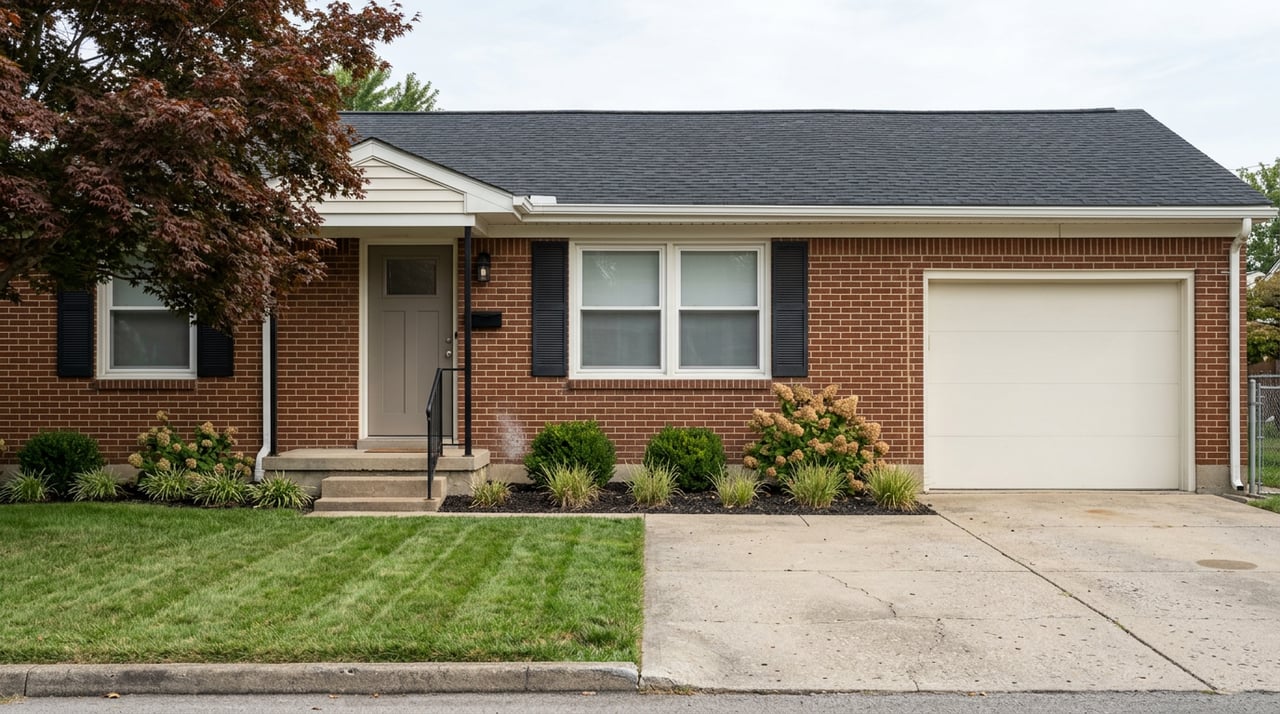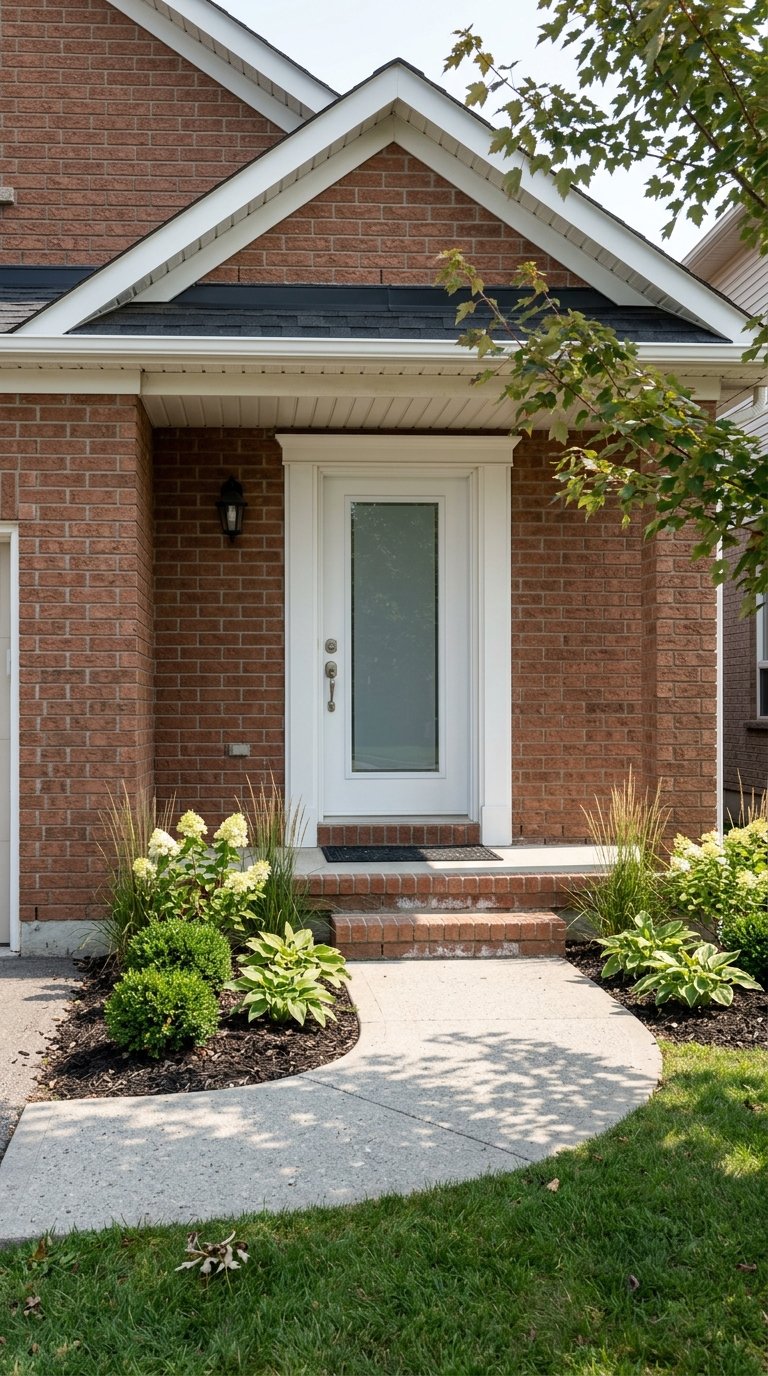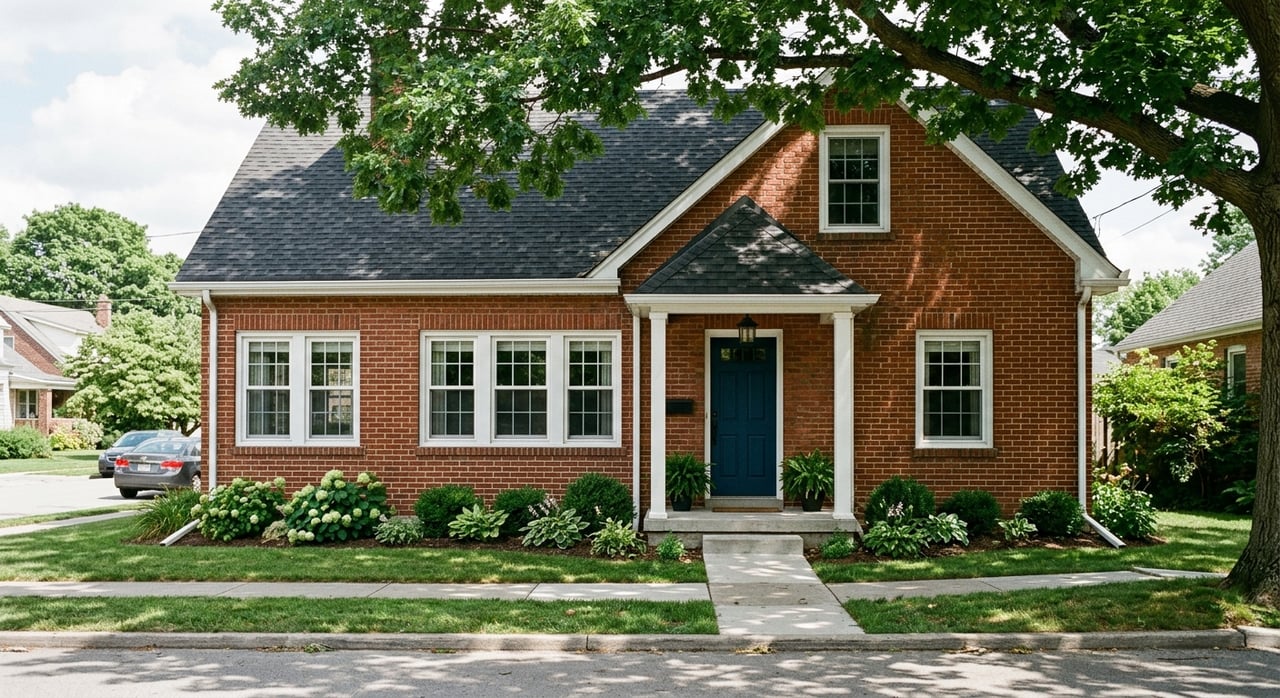
Selling a riverfront home in Westport is not the same as selling a typical house down the road. Buyers notice the view right away, but they also look closely at flood-zone details, drainage history, permits, and how well the property has been cared for. If you want to make a strong impression and avoid last-minute surprises, the right prep can help you present the home with confidence and move into the market with a clearer plan. Let’s dive in.
Why Westport riverfront homes need extra prep
Westport has a distinct identity within Oldham County. It is a small Ohio River community with a river-town history, and local amenities like Schamback Park on the River reinforce the connection to boating, water access, and outdoor living.
That matters when you sell because buyers are not just shopping for square footage. They are also evaluating the setting, the view, and how the home connects to the river lifestyle. In a niche segment like this, presentation and documentation often carry equal weight.
Oldham County’s market has remained relatively strong. In May 2026, reported market data showed a median sale price of $488,535, median listing prices around $525,000, and homes moving in roughly 28 to 33 days, with seller’s market conditions noted.
For a riverfront listing, that does not mean you can skip the basics. It means buyers may be willing to pay for a special property, but they will still expect the home to show well and the paperwork to be ready.
Make the river view the feature
When you prepare a Westport riverfront home to sell, the view should feel like part of the product. That starts with making sure buyers can see it easily from the main living spaces and outdoor areas.
Trim back anything that blocks sightlines from key windows if it can be done appropriately. Clean the glass, open the drapes, and remove bulky furniture that interrupts the connection between the room and the water. A riverfront home should feel bright, open, and easy to enjoy.
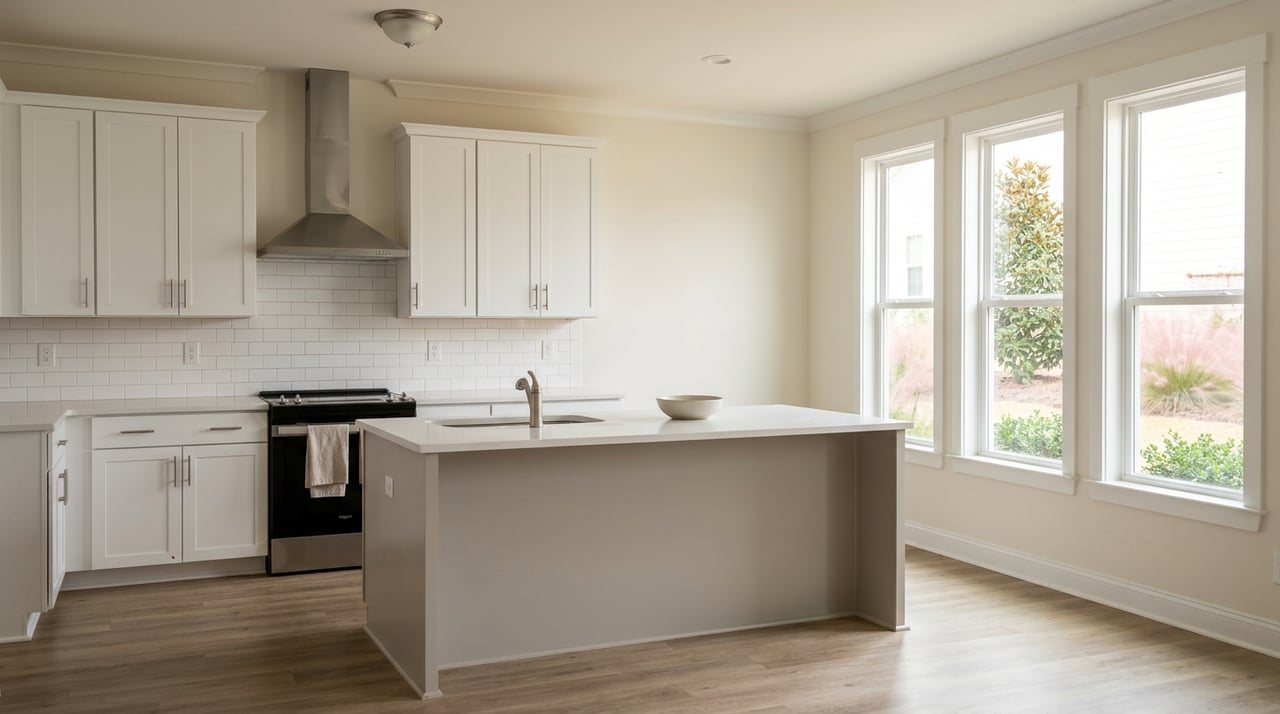
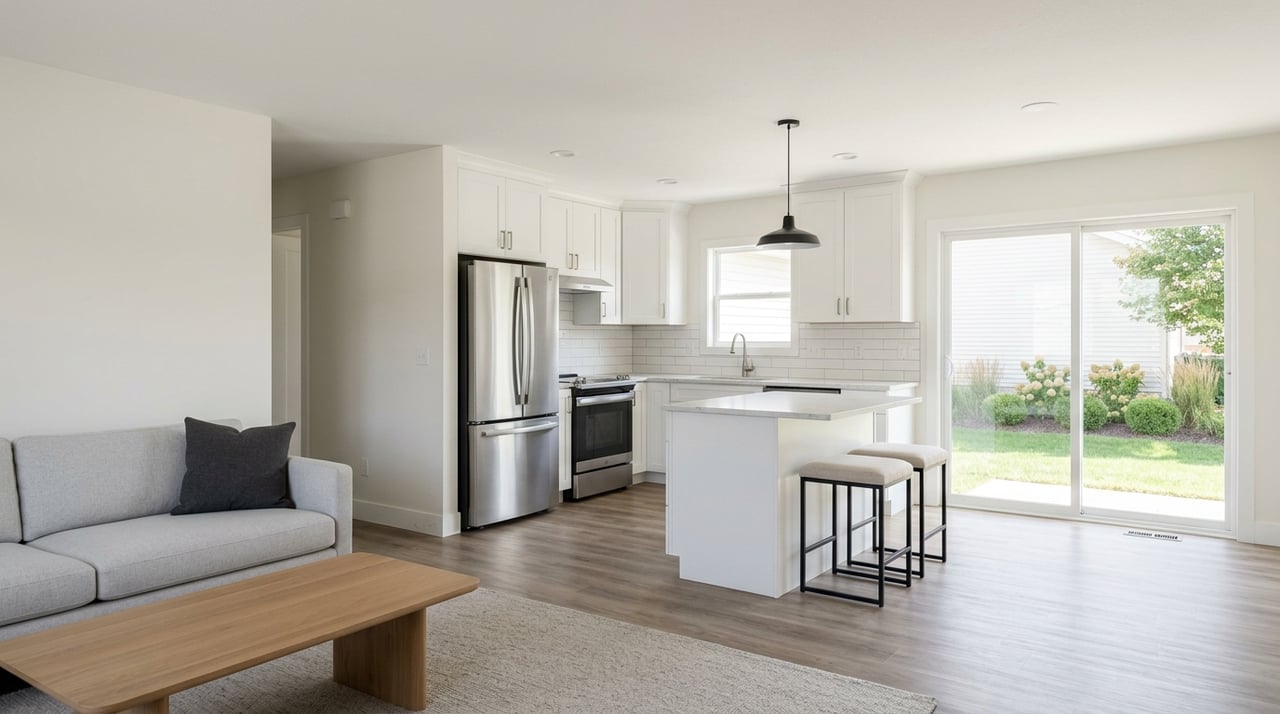
The most important rooms to focus on are often the living room, primary bedroom, dining room, and kitchen. According to the 2025 staging data in the research report, these are the rooms sellers’ agents stage most often because they help buyers picture daily life in the home.
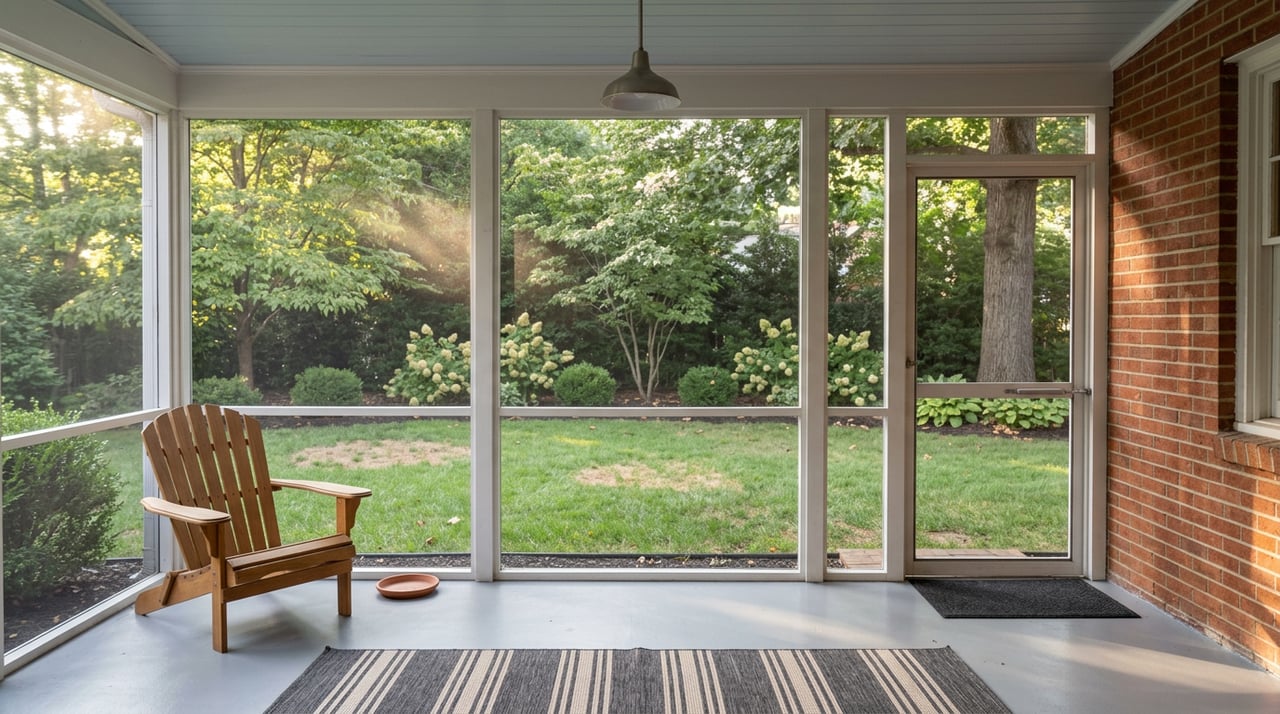
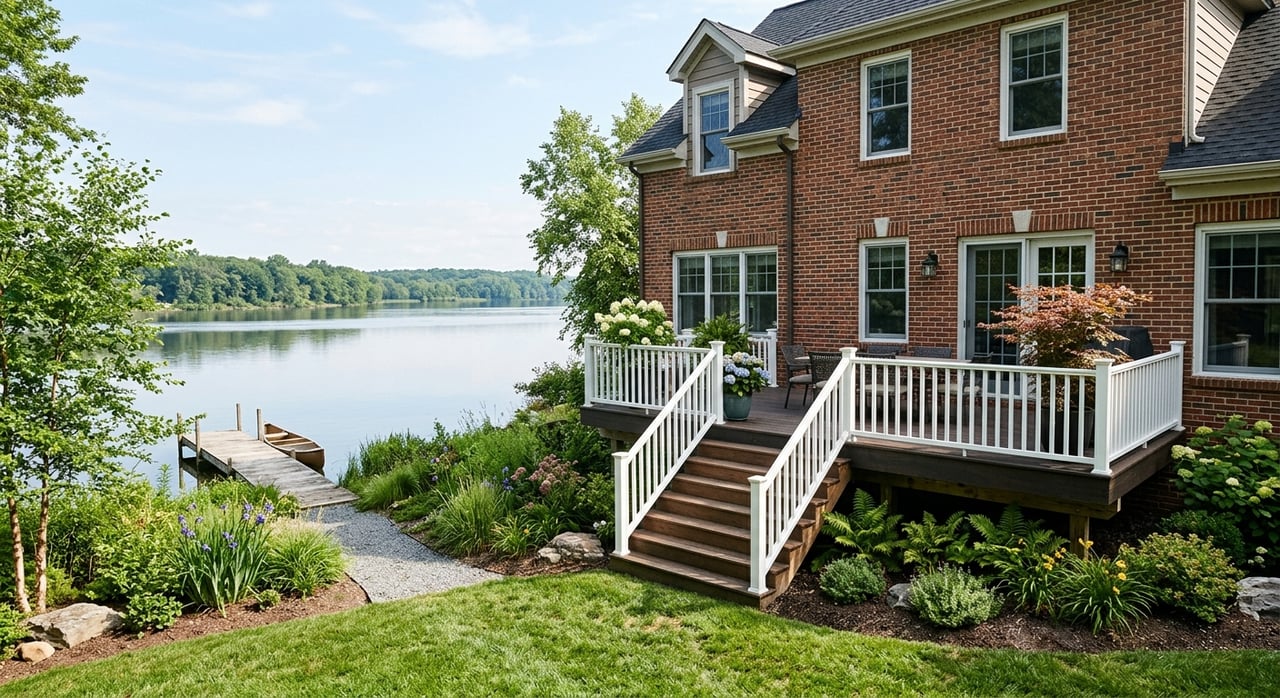
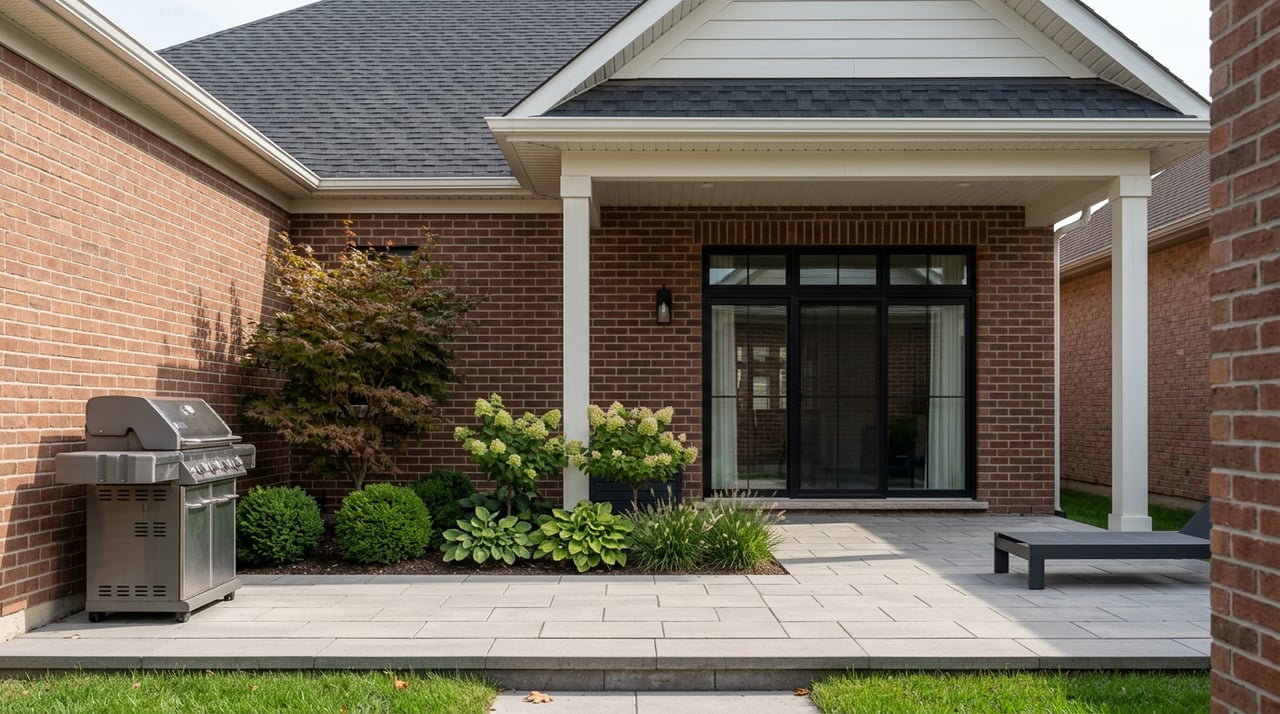
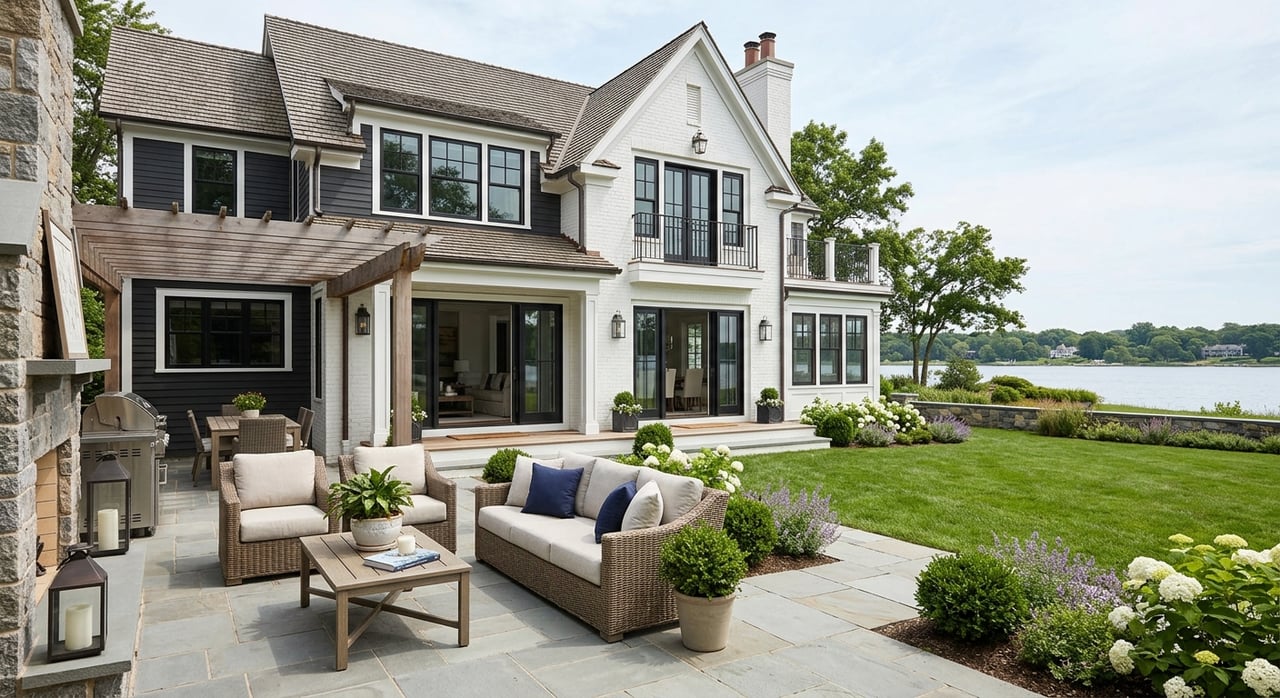
For a riverfront property, outdoor spaces deserve the same attention. A porch, deck, patio, yard seating area, or path toward the water should feel intentional, clean, and usable.
Stage outdoor spaces like real rooms
Many sellers treat the outside as a bonus. With a Westport riverfront home, outdoor space is part of the main experience.
Set up seating so buyers can imagine relaxing or entertaining by the river. Sweep porches and decks, wash railings, tidy planters, and store away anything that looks overly personal or weather-worn. If the home has a boat-friendly feature or easy access to the water, present that clearly without overstating it.
Focus on high-impact pre-listing improvements
You do not need to renovate everything before listing. Most of the time, the smartest updates are the ones that improve cleanliness, flow, and first impressions.
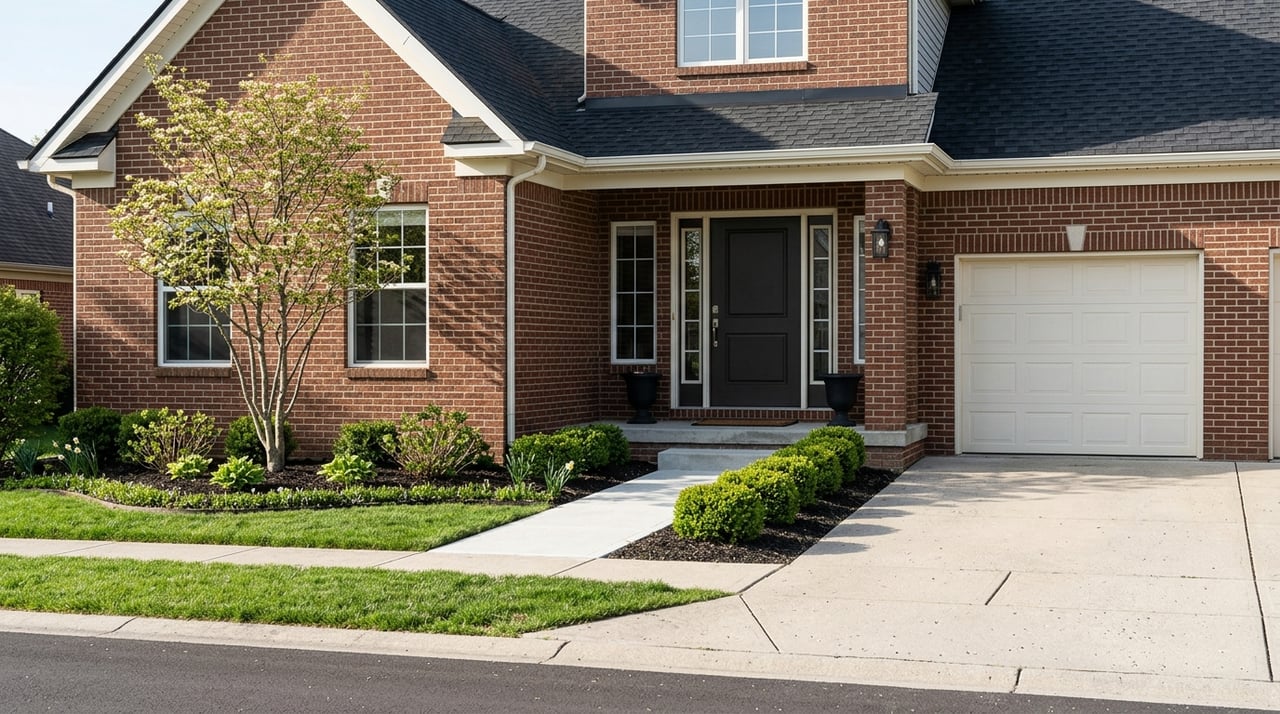
The research report points to common seller improvements like decluttering, whole-home cleaning, curb appeal work, and landscaping. Those steps are especially important for a riverfront home because buyers tend to compare the beauty of the setting with the condition of the property itself.
Start with these basics:
- Declutter every room
- Deep clean the whole home
- Refresh landscaping and edge beds
- Remove worn or damaged outdoor items
- Touch up paint where needed
- Organize storage spaces and utility areas
- Address musty odors or moisture-related smells
If a space feels cramped, damp, or overlooked, buyers may start worrying about bigger maintenance issues. Clean, simple presentation helps keep their attention on the home’s strengths.
Prepare for flood and moisture questions early
For many buyers, the first serious questions about a riverfront home are not about finishes. They are about water risk, insurance, and past property conditions.
Kentucky’s residential seller disclosure form asks about drainage, flooding, grading issues, whether the property is in a Special Flood Hazard Area, nearby water features, and past basement, crawl-space, or moisture problems. Because of that, your disclosure is not just a formality. It is one of the most important parts of your pre-listing prep.
Before you list, take time to review your records and answer based on your knowledge as carefully and clearly as possible. Buyers are encouraged to complete their own inspections, but sellers who are organized from the start often create a smoother due-diligence process.
Gather the documents buyers will want
A well-prepared document file can reduce uncertainty and help support cleaner negotiations. For a Westport riverfront property, useful records may include:
- Current flood-insurance declarations page
- Elevation certificate, if available
- Survey or boundary records
- Easement documents
- Receipts for sump pumps or waterproofing work
- Records of drainage improvements
- Past repair invoices related to moisture issues
- Permit records for shoreline, grading, dock, or exterior work
The goal is simple. If a buyer asks a reasonable question, you want to be ready with a clear answer or supporting paperwork.
Verify flood-zone and permit details
Do not rely on memory, neighbor comments, or old assumptions when it comes to flood-zone status. The research report notes that sellers should verify the property address using FEMA’s Flood Map Service Center and Oldham County’s floodplain map portal before listing.
This step matters because flood insurance is separate from standard homeowners insurance. The report also notes that flood coverage may be required for homes in a Special Flood Hazard Area when a buyer is using a government-backed mortgage.
If your property has had work done near the river, documentation matters just as much. Oldham County says its Engineer’s Office handles floodplain management, and local permits may be required in addition to state approvals.
Review past river-adjacent work
If your property includes any of the following, gather records before the home goes live:
- Dock work
- Shoreline improvements
- Grading changes
- Fill work
- Drainage alterations
- Exterior construction near the floodplain or riparian area
Missing paperwork can create delays or make buyers nervous. Complete records help turn a potential concern into a sign of responsible ownership.
Use photography to tell the full story
Professional marketing is especially important for a riverfront home. The research report notes that photos are one of the most important listing tools, with videos, physical staging, and virtual tours also playing a role.
That makes sense in Westport. A buyer may first connect with your property through images, and those images need to show more than just rooms. They should explain how the home lives, how the windows frame the river, and how the indoor and outdoor spaces work together.
Ask your agent to plan the visual story carefully. A strong riverfront listing often benefits from:
- Bright, clear interior photography
- Window views that are visible but balanced
- Outdoor photos that show seating and entertaining space
- Images that connect the house to the yard and river setting
- Video or aerial visuals when they help explain the property layout and context
Good marketing should feel polished, not exaggerated. The goal is to attract the right buyers by showing the property honestly and at its best.
Position the lifestyle without overdoing it
Westport has a unique setting that can help a listing stand out. Its Ohio River location, local park access, and historic river-town identity create a story that many non-riverfront homes cannot offer.
At the same time, the strongest listing angle is usually a balanced one. Buyers want to hear about the river view, outdoor enjoyment, and access to the broader Oldham County area, including the convenience of being about 20 minutes from Louisville and about 60 minutes from Cincinnati.
What works best is a tone of care and clarity. Show that the property offers something special, then support that story with condition, staging, and documentation.
Work with an agent who understands riverfront details
A riverfront sale often involves more moving parts than a standard listing. Marketing matters, but so do disclosure questions, floodplain conversations, permit history, and the timing of buyer concerns.
That is why local experience matters. You want an agent who can help you decide where to spend on prep, how to highlight the home’s strongest features, and how to respond when buyers shift from admiring the view to asking practical questions.
At ZHomes Real Estate, the approach is hands-on, local, and education-driven. If you are preparing to sell a Westport riverfront home and want help with pricing, staging guidance, marketing, and next steps, connect with Gilbert Zaldivar to build a plan that fits your property.
FAQs
What should you do first before listing a Westport riverfront home?
- Start by decluttering, deep cleaning, improving curb appeal, and gathering key records such as flood insurance information, disclosure details, surveys, and permits.
What flood questions do buyers ask about Westport riverfront homes?
- Buyers often ask whether the property is in a Special Flood Hazard Area, what flood insurance is in place, and whether there have been past drainage, basement, crawl-space, or grading issues.
What documents help sell a riverfront home in Westport, Kentucky?
- Helpful documents include the flood-insurance declarations page, elevation certificate if available, survey records, easements, waterproofing receipts, and permits for shoreline, dock, grading, or drainage work.
How should you stage a riverfront home in Westport?
- Focus on clear window lines, clean main living spaces, neutral décor, and outdoor areas like decks, porches, patios, and yards so buyers can picture how the home connects to the river.
Why does permit history matter for a Westport riverfront property sale?
- Permit records can help answer buyer questions about dock work, shoreline improvements, grading changes, and other river-adjacent work that may involve county or state approvals.