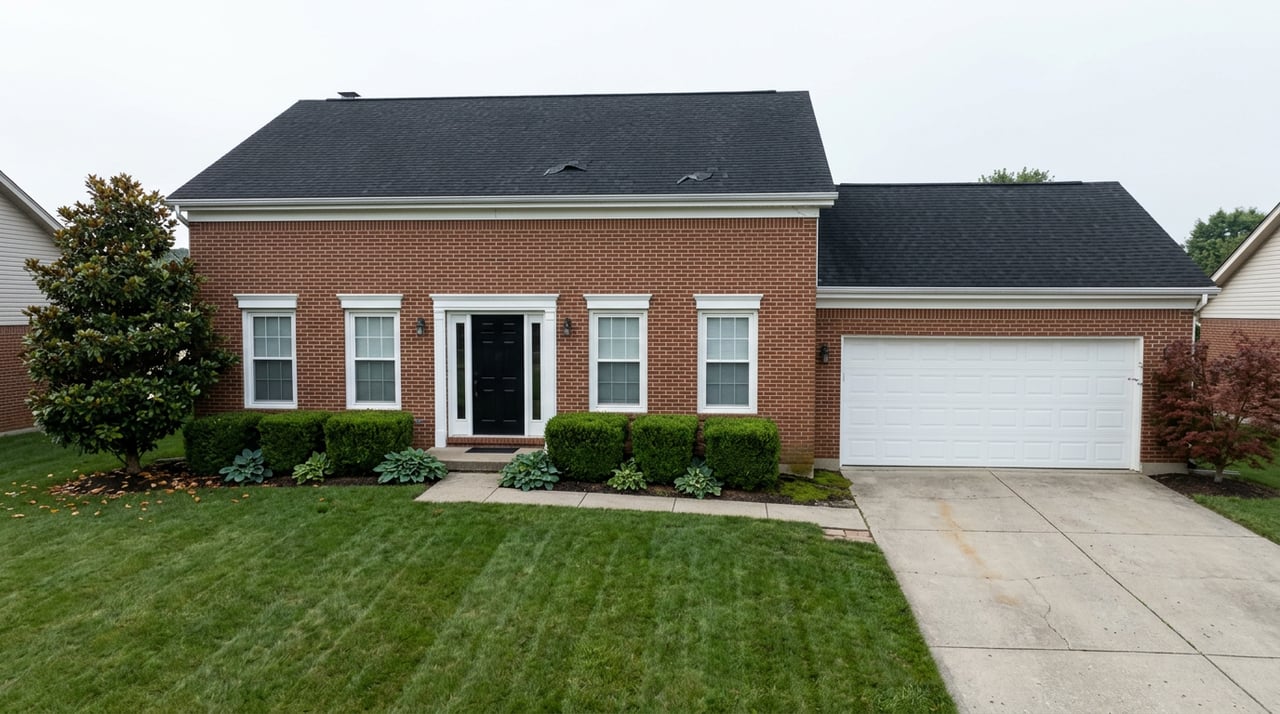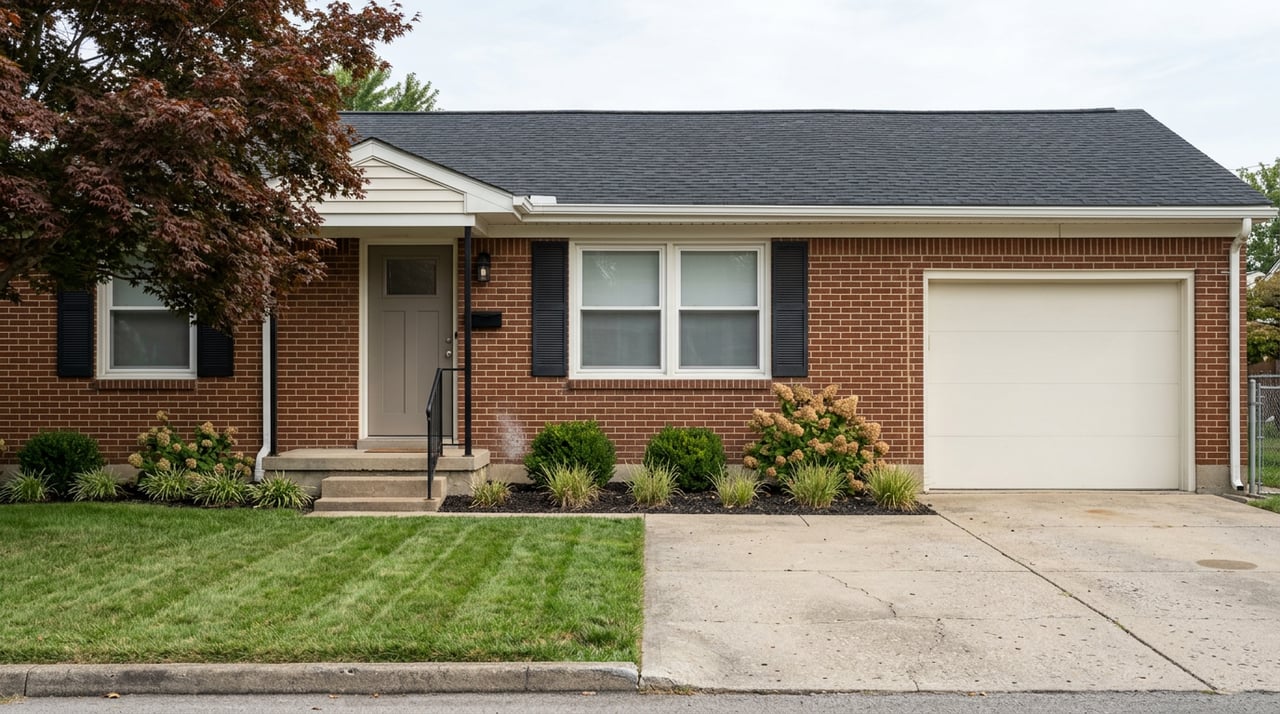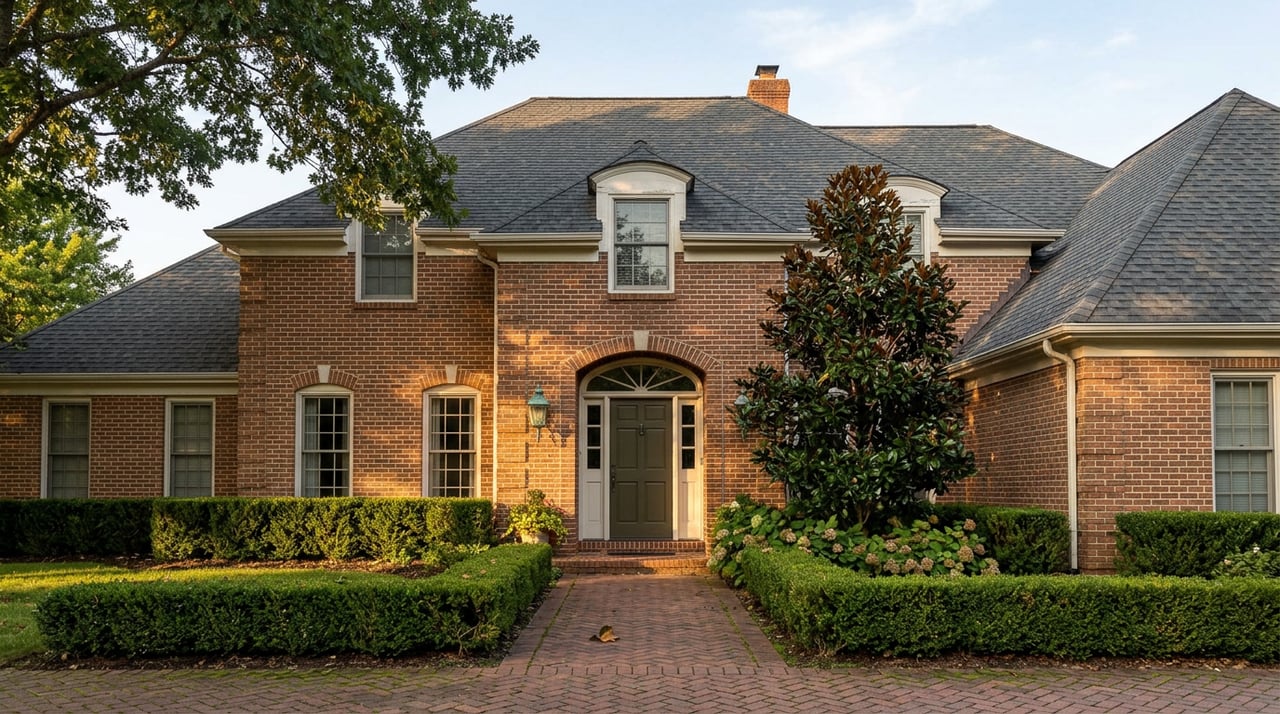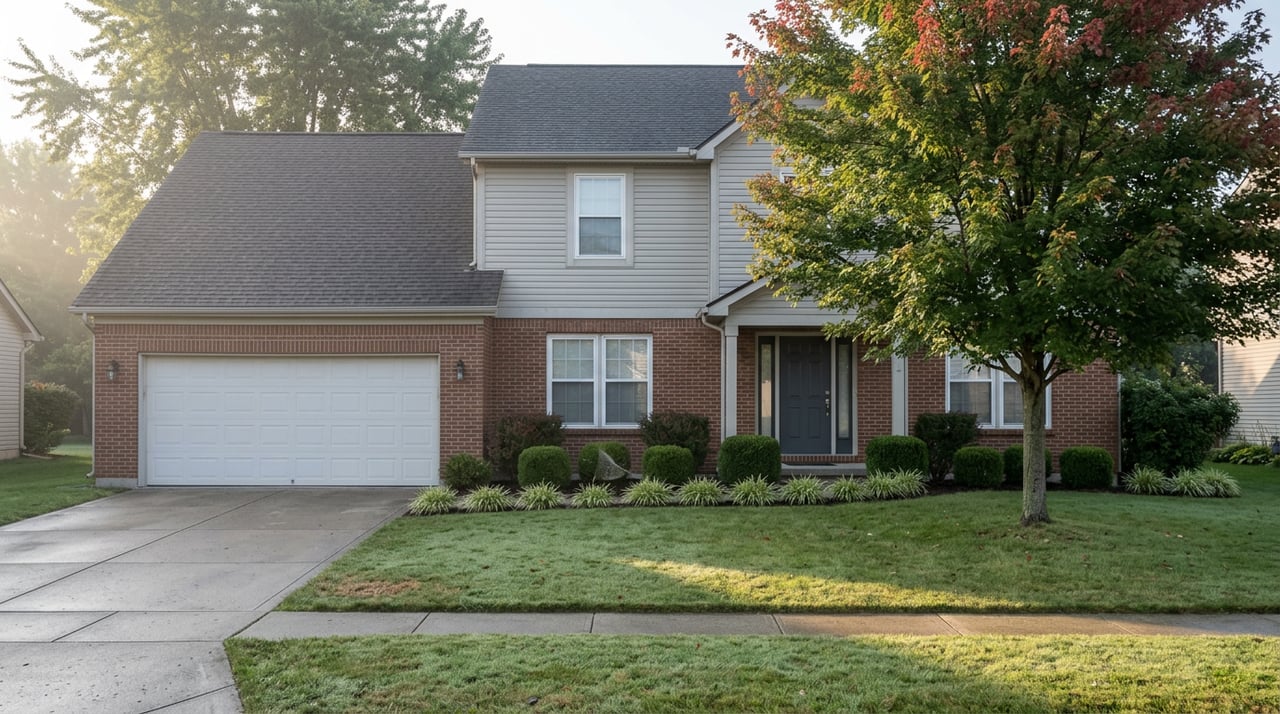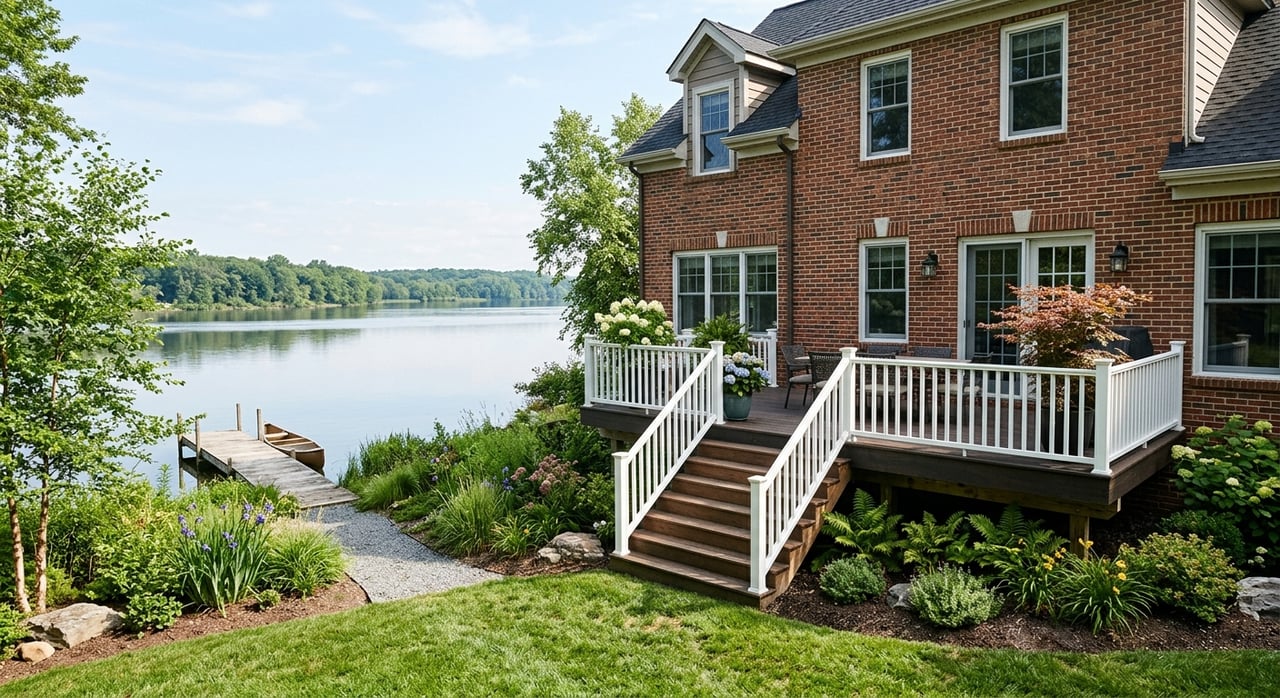
Picture waking up to Ohio River views and ending your day near the water, only to realize that riverfront living also comes with questions about flood zones, insurance, and upkeep. If you are thinking about buying in Westport, KY, it helps to understand both the lifestyle and the practical side before you fall in love with a property. This guide will walk you through what makes Westport unique, what ownership details deserve extra attention, and how to evaluate a river-adjacent home with confidence. Let’s dive in.
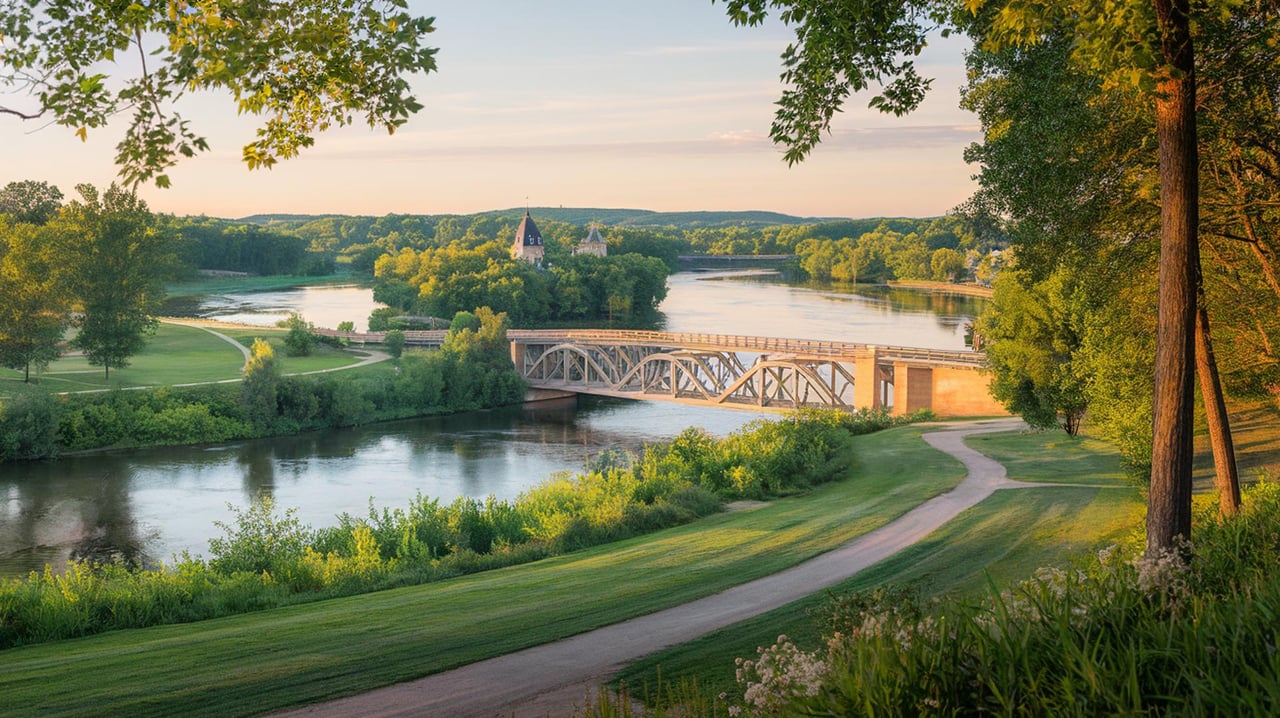
Westport’s Riverfront Setting
Westport is a small historic town in Oldham County where the river plays a major role in local character. According to Oldham County Tourism’s overview of Westport, the town was the county’s original county seat and developed as a former river town with deep historical roots.
That setting gives Westport a very different feel from a larger waterfront destination. Ohio River access, local history, and a slower pace shape the experience more than a dense shopping or entertainment district. If you want a scenic small-town environment with a strong sense of place, Westport stands out.
Westport is also close enough to fit into a broader regional lifestyle. Oldham County Tourism notes that Oldham County is about 20 minutes from Louisville and around 60 minutes from Cincinnati, which can be appealing if you want a quieter home base without feeling cut off.
What Riverfront Living Feels Like
In Westport, riverfront living is tied to everyday outdoor enjoyment and a small number of community spaces. One of the clearest examples is Schamback Park on the River, a 5-acre park with a boat ramp, boat dock, pavilion, restroom facilities, playground, basketball court, and views of the Ohio River.
That matters because it shows how the river is used in daily life. You are not just looking at water from a distance. You have nearby public access that supports boating, relaxing, and spending time outdoors.
Westport also offers a more reflective, low-key rhythm. Oldham County Tourism’s local attractions page describes the area as a place for picnics by the water, community use, and simple gatherings, including stops like Knock on Wood Mercantile & Cafe and the river park.
If you enjoy a setting built around views, walking, history, and a slower routine, that can be a real draw. The Westport River Town Walking Tour adds to that experience with a one-mile loop highlighting the riverbank, frontier history, steamboat landings, and historic homes.
Why Due Diligence Matters More Here
Not every river-adjacent home offers the same ownership experience. In Westport, one property may have very different flood exposure, elevation, drainage, or maintenance history than another.
That is why riverfront buying requires a little more homework upfront. The lifestyle can be appealing, but the property details matter just as much as the view.
Before you make an offer, it is smart to verify the flood zone, understand any permit issues, and ask detailed questions about past water intrusion or repairs. A careful review early on can help you avoid expensive surprises later.
Check Flood Zones Early
One of the first things to review is whether the home sits in a mapped flood hazard area. Kentucky’s Flood Hazard Portal and FEMA’s Map Service Center, which is referenced through that state resource, are the official tools for checking flood maps, flood hazard zones, effective dates, and approximate base flood elevations.
This is important even if a home looks elevated or has no obvious signs of prior flooding. Flood maps and base flood elevation data can affect financing, insurance, future improvements, and your long-term ownership costs.
If you are planning tours, this is a good step to take before you get too far into the process. Knowing the flood zone in advance can help you ask better questions and compare homes more accurately.
Understand Permits Before You Build
If you are considering a property where you may want to build, grade, fill, excavate, or alter land near the river or a stream, permit rules are a major consideration. Oldham County’s floodplain administration page says the County Engineer’s Office handles floodplain management and that a local permit is required in addition to state floodplain permits.
Kentucky’s Division of Water guidance, cited through the same state flood resources, says development in, along, or across a stream may require a floodplain permit. That can include residential structures, commercial structures, stream crossings, fill, grading, excavation, stream alterations, and small stream impoundments.
In simple terms, do not assume a future project will be straightforward just because you own the land. If a property has river or stream-related constraints, checking requirements early can save time and frustration.
Know How Flood Insurance Works
Flood insurance should be treated as a separate budget item when you buy near the river. According to FEMA’s flood insurance guidance, most homeowners insurance policies do not cover flood damage.
FloodSmart explains that properties in high-risk A zones with federally backed mortgages must purchase flood insurance. It also notes that 1 in 3 flood insurance claims come from low- and moderate-risk zones, which means a lower-risk designation does not mean zero risk.
Even when flood insurance is not automatically required, lender expectations can still vary. FloodSmart’s eligibility guidance notes that some lenders may require coverage outside the highest-risk areas, so it is worth confirming those details as soon as you are seriously considering a home.
Pay Attention to Moisture and Mold
For any river-adjacent home, moisture deserves extra attention during your inspection period. Kentucky says on its mold guidance page that mold is not regulated by the state and that the first step is to look for visible mold growth and evidence of water damage.
That practical advice matters because moisture problems often show up in visible ways. Basement walls, crawlspaces, lower-level finishes, and areas with past repairs can all offer clues about the home’s condition.
The broader issue is not just mold itself, but the source of moisture. EPA and Kentucky guidance emphasize moisture control, which is why it makes sense to ask your inspector to pay close attention to signs of water intrusion, previous flooding, and incomplete drying after past events.
Ask Better Questions During Inspections
A standard home inspection is still important, but with a Westport river-adjacent property, you may want a more focused conversation around water exposure. Ask whether there are visible signs of prior flooding, staining, warping, repeated repairs, or persistent dampness.
You can also ask about the basement or crawlspace, drainage patterns around the home, and any sump pump or moisture-control systems in place. These questions can help you understand not only current condition, but also how the home has been maintained over time.
If flooding has occurred before, documentation matters. FEMA advises that cleanup and documentation should begin quickly after a flood if the home is safe to enter, and FEMA also notes that NFIP policies do not cover mold damage, which makes fast drying especially important.
River Access Is a Real Lifestyle Perk
One practical lifestyle question many buyers have is whether boating or river launch access is nearby. In Westport, the answer is yes. Schamback Park on the River includes both a public boat ramp and a boat dock.
That can add real value to your day-to-day experience if river recreation matters to you. It also reinforces that Westport’s connection to the Ohio River is not just visual or historical. It is part of how people use the area.
For some buyers, that access is a major part of the appeal. For others, the draw may be more about the peaceful setting and scenic views. Either way, it helps to think about how you would actually use the location.
Who You May Need on Your Side
Buying near the river often means working with more than one professional. Depending on the property, you may need input from your real estate agent, home inspector, insurance agent, and, in some cases, a surveyor or engineer if elevation or drainage concerns come up.
For official local questions, Oldham County directs floodplain issues to the county engineer and floodplain administrator. Kentucky also directs property owners to their local floodplain coordinator for community-specific requirements.
The main takeaway is simple: expert guidance matters more when a property has location-specific variables. The right team can help you understand what is ordinary, what is a red flag, and what should be verified before closing.
Is Westport Riverfront Living Right for You?
Westport offers a mix of scenic Ohio River views, public river access, and historic small-town character that can be hard to find elsewhere. If you want a quieter setting shaped by the water, local history, and everyday outdoor access, it may feel like a strong fit.
At the same time, riverfront living works best when you go in with clear eyes. Flood zones, insurance, permits, moisture management, and property-specific maintenance history can all affect the ownership experience.
If you are considering a move to Westport or exploring river-adjacent homes in Oldham County, having a local real estate guide can make the process clearer. When you are ready to talk through your options, connect with Gilbert Zaldivar for practical, full-service support tailored to your goals.
FAQs
What makes Westport, KY riverfront living unique?
- Westport combines Ohio River views, public water access, historic character, and a quieter small-town setting rather than a dense commercial waterfront.
How can you check flood risk for a home in Westport, KY?
- You can review the property using Kentucky’s Flood Hazard Portal and FEMA map tools referenced through the state resource to verify flood zones, map panels, and approximate base flood elevations.
Is flood insurance required for river-adjacent homes in Westport, KY?
- It may be required if the home is in a high-risk A zone and you have a federally backed mortgage, but some lenders may also require coverage outside those areas.
What inspection issues matter most for Westport, KY riverfront homes?
- The key issues are flood exposure, moisture intrusion, visible water damage, crawlspace or basement conditions, and signs of incomplete repairs after prior water events.
Can you launch a boat near homes in Westport, KY?
- Yes. Schamback Park on the River has a public boat ramp and boat dock, making river access a real part of the local lifestyle.
What should you know before making changes to land near the river in Westport, KY?
- Building, grading, excavation, fill, or stream-related work may require both local Oldham County approval and state floodplain permits, so it is important to verify requirements early.